 Lynden Siding
 Metal Roofing in Acme: A Different Set of Conditions Than the Valley Floor
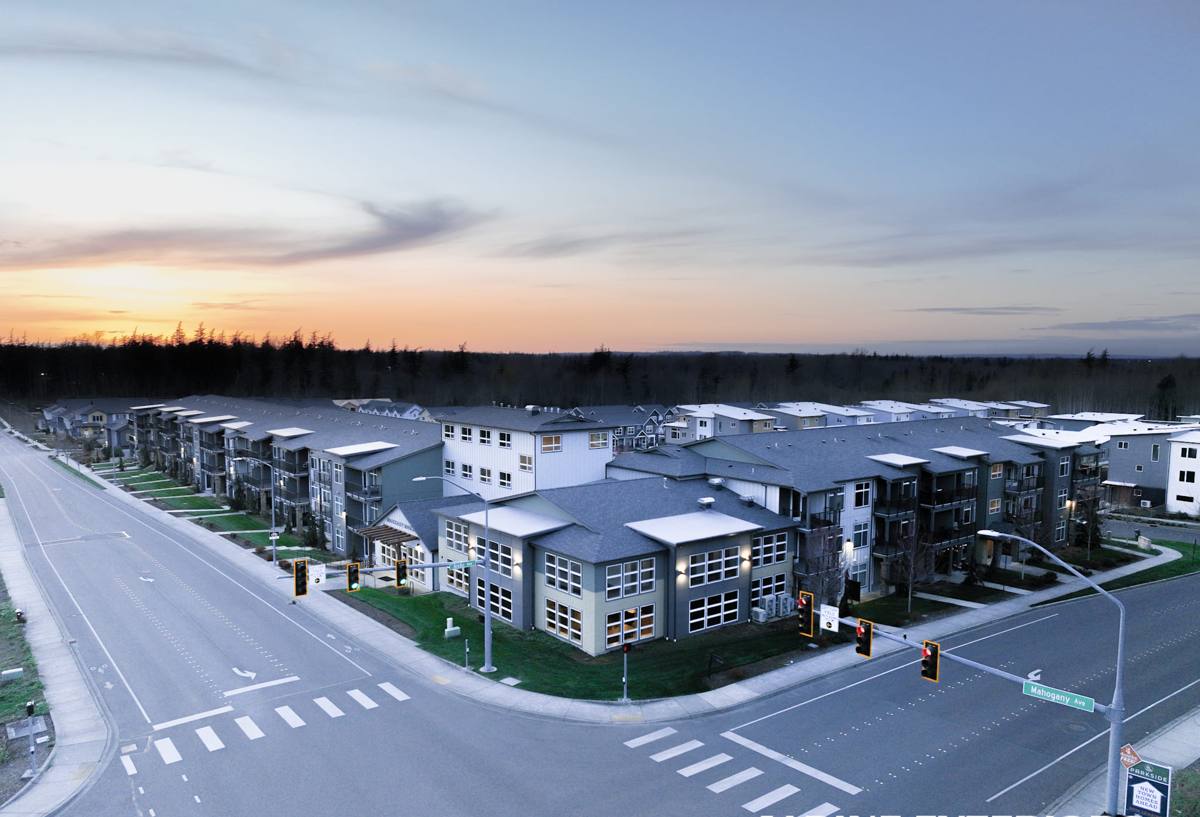
Acme sits inland and up into the foothills of Whatcom County, away from the open farmland and closer to the tree line than most of the homes we work on down in Lynden. That changes what a roof actually deals with day to day. Homes here tend to sit under heavier tree cover, get less direct sun on more of the roof plane, and see rainfall that runs a little heavier and lingers a little longer than it does out on the flatter ground closer to town. A roof that's fine on an open, sun-exposed lot can struggle here simply because it never fully dries out between storms.
We install siding, roofing, windows, and decks across Whatcom County, and metal roofing has become the option we recommend most often for homes in and around Acme specifically because of how it handles sustained shade and moisture. This page covers what that climate actually does to a roof up here, what a correctly installed metal roof involves, and how the job runs from first look to final walkthrough.
What the Acme Climate Puts a Roof Through
Heavy Tree Cover and a Long Moss Season
Mature trees shade a large share of the roof surface on most Acme properties for a good part of the day, most of the year. That shade keeps roof planes damp long after a storm has passed, and it's exactly the condition moss and algae need to establish and spread. Tree cover also means an ongoing supply of needles, leaves, and small debris landing on the roof and collecting in valleys, which holds moisture against the surface even longer if it isn't cleared.
Foothill Rainfall and Runoff
Elevation and proximity to the mountains tend to push rainfall totals here a bit higher than on the valley floor, and storms can sit over the foothills longer before moving through. That means more total water hitting the roof over a season, and more of it working its way toward valleys, chimney flashing, and any point where the roof plane changes direction. A roof detailed for a lighter, more open-country rain load doesn't always hold up the same way once you're closer to the tree line.
Salt Air, at a Reduced but Real Level
Acme is far enough inland and up in elevation that direct salt exposure isn't the driving factor it is on our waterfront jobs. It's still part of the same marine-influenced weather system that moves across this whole part of Washington, so it isn't zero, either. In practice, moisture and moss are the bigger concerns for an Acme roof than corrosion from salt, and that's how we prioritize material and fastener choices here rather than applying a coastal-exposure standard that doesn't match the site.
Temperature Swings and Occasional Freeze
Higher ground here means slightly cooler temperatures and a better chance of a hard freeze or a light snow event than you'd see closer to the water. Roofing materials and fasteners that stay damp more often, then go through an occasional freeze cycle, need to be chosen and installed with that combination in mind rather than for a climate that only sees consistent rain and mild temperatures.
Why Metal Roofing Fits This Particular Climate So Well
Metal roofing isn't the right call for every home or every budget, but for a heavily shaded, high-moisture property like the ones we see around Acme, it solves several problems at once. Its smooth, non-porous surface doesn't give moss and algae the texture they need to take hold the way a granulated shingle surface can. Water and debris shed off it faster instead of sitting in the surface texture, which matters on a roof that's shaded most of the day. It also holds up well against the freeze-thaw cycling that comes with higher elevation, since it doesn't absorb moisture the way some other materials do. The upfront cost is higher than asphalt shingles, but the realistic lifespan on a well-installed metal roof is two to three times longer, which changes the math for anyone planning to stay in the home.
Metal Roofing Panel Options: What We Actually Compare
"Metal roofing" covers more than one product, and the right choice depends on the roof's pitch, the look you want, and the budget. Here's how the two main categories compare on an Acme-style property.
| Panel Type | Moisture & Moss Behavior | Fastening | Typical Lifespan Here |
|---|---|---|---|
| Standing seam | Concealed fasteners and raised seams shed water and debris cleanly; best performance under heavy tree cover | Hidden clips, no exposed penetrations through the panel face | 40-60 years |
| Exposed-fastener (screw-down) panel | Sheds water well but fastener washers need periodic checking as they age | Screws through the panel face with rubber washers | 30-45 years, depending on fastener maintenance |
Standing seam costs more upfront because of the labor and hardware involved, but on a shaded, debris-prone roof like a lot of what we see in Acme, the lack of exposed fasteners is worth the difference for most homeowners who plan to stay long-term. Exposed-fastener panels are a reasonable, more budget-conscious option on simpler roof shapes with less tree exposure, provided the fasteners get checked periodically.
What a Correct Metal Roof Installation Actually Involves
A metal roof is only as good as what's underneath it and how the details are handled. On every metal roofing job, that means:
- Synthetic underlayment rated for extended exposure, since metal panels can sit on the deck longer during install than shingles do
- Ice-and-water shield at eaves, valleys, and anywhere debris and standing water are likely to collect
- Corrosion-resistant fasteners and flashing matched to the panel metal, so dissimilar metals aren't reacting against each other over time
- Proper panel expansion allowance, since metal moves more with temperature swings than asphalt does and needs room to do that without buckling
- Fully sealed, properly lapped flashing at every valley, chimney, vent pipe, and roof-to-wall transition
- Ventilation that lets moisture escape from the attic space instead of condensing against the underside of the panels
None of this shows up once the roof is finished and looks good from the ground. It's also exactly what determines whether a metal roof delivers the forty-plus-year lifespan it's capable of, or develops leaks and corrosion well ahead of schedule.
How the Job Runs on an Acme Property
Inspection and Estimate
We start by looking at the existing roof, the tree cover and shade pattern across different roof planes, and any signs of trapped moisture or deck damage. Properties around Acme often have more roof-plane variation in sun and shade than a flatter, more open lot, and that affects both the estimate and the material recommendation.
Tear-Off and Deck Check
Once the old roofing comes off, we check the deck underneath for soft spots or rot before anything new goes down. On a roof that's been under heavy shade for years, this step catches problems that a surface-level look would miss entirely.
Underlayment and Flashing
This is the stage that determines whether the roof actually performs the way it's supposed to. Given how much water and debris a shaded, foothill roof deals with, we treat the underlayment and flashing detail as the real foundation of the job, not a step to move through quickly on the way to the visible panels.
Panel Installation to Manufacturer Spec
Metal roofing manufacturers publish specific fastening patterns, seam details, and clearance requirements, and warranty coverage depends on following them. We install to that spec as the baseline on every job, not as an upgrade.
Final Walkthrough
We walk the finished roof with the homeowner, cover what ongoing maintenance actually looks like — mainly keeping valleys and gutters clear of debris under tree cover — and confirm the finished job matches what was estimated.
Signs an Acme Roof Needs a Closer Look
- Moss or dark streaking on shaded roof planes that comes back quickly after cleaning
- Needles or leaf debris consistently packed into valleys or against flashing
- Rust staining at fasteners, flashing, or panel seams
- Water staining on interior ceilings near exterior walls, chimneys, or skylights
- Panels that look lifted, loose, or oil-canned (visibly wavy) on flat sections
- Daylight visible through the roof deck from inside the attic
- A roof approaching or past its rated lifespan with no documented replacement history
Any of these is worth a professional look before another wet season adds to the damage. Caught early, most issues are a targeted repair rather than a full replacement.
Why a Crew That Already Works in Acme Matters
A roofing crew that only shows up in Acme once in a while tends to treat every job like it's on an open, sun-exposed lot, because that's what most of their work looks like. Working this area regularly means seeing, year over year, how heavy shade actually behaves on real roofs here — which roof orientations stay damp longest, how much debris a given valley collects under a typical tree canopy, and which flashing and ventilation details are worth the extra time on install day. It also means we already understand the difference between a foothill property like this and a more open, waterfront job, and we don't apply the same standard to both.
Beyond the Roof
Roofing is one part of what wears on an Acme home under this much tree cover and moisture. We also install siding, windows, and decks, and on siding specifically we install James Hardie fiber cement exclusively, chosen for how it holds up against sustained moisture and moss compared to lower-cost alternatives. If a roofing project turns up moisture damage at a wall-to-roof transition or aging siding and trim nearby, we can address it in the same conversation instead of sending you to find a second contractor.
If your Acme home needs a roof inspection, a repair, or you're weighing metal roofing against a replacement of what's there now, we're glad to take a look and give you a straightforward, honest read — no pressure, no upsell script. Reach out using the form below to schedule a free estimate.