 Lynden Siding
 Storm Damage Roofing in Deming: A Whatcom County Problem, Not a Generic One
Deming sits close enough to the Nooksack River valley and the foothills that storms coming off the Salish Sea and up from the coast hit it with a mix most roofing guides never talk about: gusty wind funneling through the valley, long stretches of driving rain, and a moss season that can run eight or nine months out of the year. A roof here doesn't fail the same way a roof fails in a dry inland climate. It fails from the edges in, and from the inside out, long before most homeowners notice a problem from the ground.
When we say "storm damage repair" for a Deming home, we mean something specific: identifying where wind and water actually got into the roof system, not just patching the shingle that looks obviously wrong. A lot of storm damage in this part of Whatcom County is quiet damage — lifted tabs, compromised flashing, or saturated underlayment that won't show as a ceiling stain for another two or three rain events.
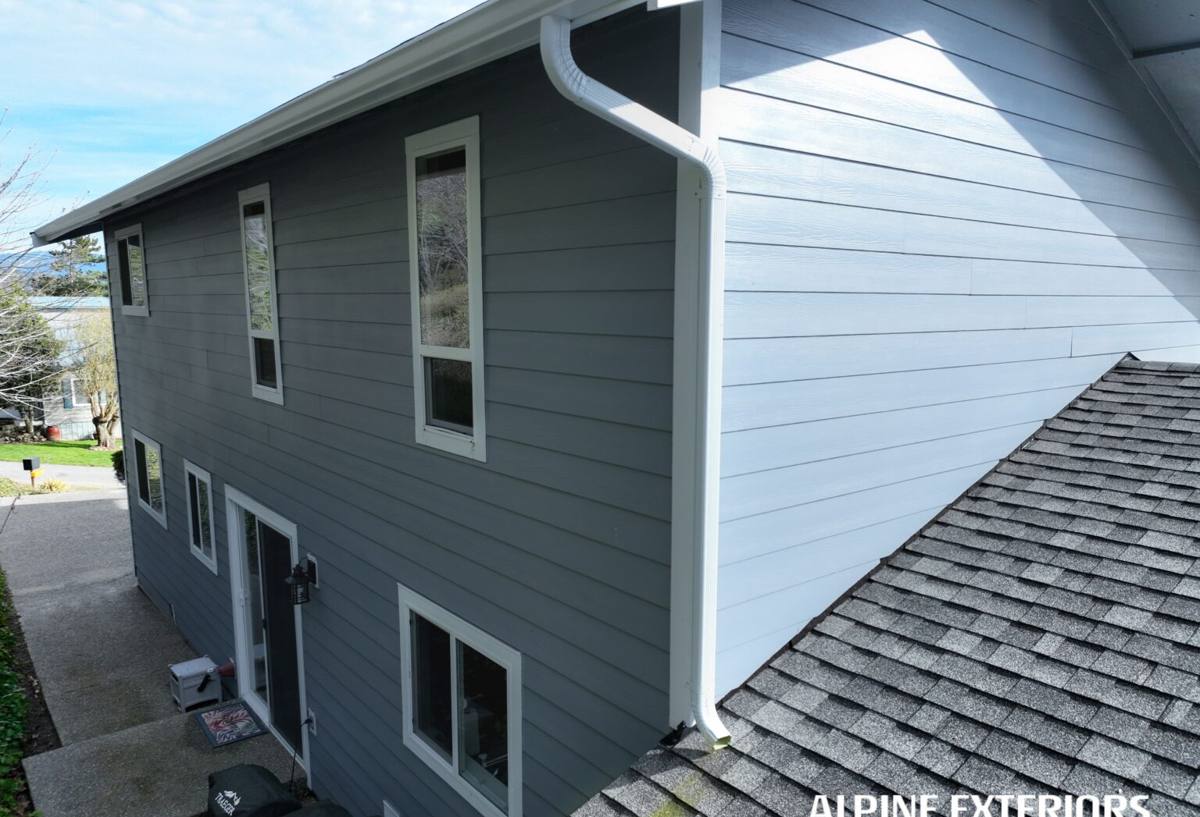
What Actually Damages a Roof During a Storm Out Here
Storm damage isn't one thing. On a Deming roof, we typically see it break down into a few distinct categories, and the repair approach is different for each one.
Wind Lift and Edge Failure
Gusts moving through the valley get under shingle tabs and ridge caps, especially on roofs where the original nailing pattern was a little loose or the sealant strip never fully bonded. Once one tab lifts, the ones around it are far more likely to go in the next storm.
Wind-Driven Rain Intrusion
This is the one that fools people. The shingles can look fine from the driveway while rain gets pushed sideways under laps, around chimneys, skylights, and dormers, and into any flashing that's slightly undersized or improperly lapped. Salt-laden coastal air also accelerates corrosion on exposed metal flashing and fasteners faster than it would in a dry inland climate, which shortens the life of exactly the components that keep wind-driven rain out.
Moss and Debris Load
Long wet seasons mean moss gets a real foothold on north-facing slopes and shaded valleys near tree cover. Moss holds moisture against the roofing material, lifts shingle edges as it grows, and adds weight and debris buildup that clogs valleys and gutters right when storm runoff needs somewhere to go.
Impact Damage
Branch strikes and wind-thrown debris are common with the tree cover around Deming. These are usually the most obvious kind of damage but not always the most serious — a cracked shingle from a small branch can be minor, while a limb strike that bruised the decking underneath needs more than a shingle swap.
Signs Worth Checking After a Storm
Most homeowners don't need to climb a ladder to catch the early warning signs. A quick check from the ground and inside the attic after a significant wind or rain event covers most of it:
- Shingle tabs or pieces visible in the yard, gutters, or against fences after wind
- New granules collecting in downspouts or at the base of downspout extensions
- Ridge cap pieces that look shifted, curled, or missing
- Water stains, discoloration, or a musty smell in the attic or top-floor ceilings
- Daylight visible through the roof deck from inside the attic
- Sagging or soft spots noticeable when walking the roof edge from a ladder
- Moss buildup that's thickened noticeably or spread since last season
- Flashing around chimneys, skylights, or vent pipes that looks bent, separated, or rusted
Any one of these on its own might be minor. Two or three together after a storm is usually a sign the roof needs a proper look, not just a patch.
What a Correct Storm Damage Repair Actually Involves
Inspection and Documentation First
Before any repair starts, we walk the roof and document what we find — not just the visible damage, but the surrounding area, since storm damage rarely stays contained to one spot. This documentation also matters if you're filing an insurance claim, since adjusters want to see the full extent, not just the symptom that prompted the call.
Matching Materials the Right Way
A repair only holds up if the new material integrates properly with what's already there — same shingle profile and, where possible, close color match, correct nailing pattern for the wind exposure this area sees, and compatible flashing metal so you're not creating a corrosion problem down the line by mixing incompatible materials.
Flashing and Underlayment Are Where Leaks Actually Start
Most storm leaks in this climate trace back to flashing and underlayment, not the shingles themselves. A repair that only replaces surface shingles without checking the flashing at valleys, chimneys, and penetrations, or without confirming the underlayment beneath the damaged area is still dry and intact, is a repair that will likely need to be redone within a season or two.
Our Process, Start to Finish
- Call and initial description. We ask what you're seeing and when the damage showed up so we know what to look for first.
- On-site inspection. We assess the full roof, not just the reported problem area, since wind and water damage often extends past what's visible.
- Written scope and estimate. You get a clear explanation of what's damaged, what needs repair versus what can wait, and an honest cost range.
- Repair. We handle the actual work — tear-out of damaged material, deck inspection, underlayment and flashing repair or replacement, and matched shingle installation.
- Final walkthrough. We show you what was done and flag anything worth watching, including maintenance items like moss growth or gutter clearing.
Repair or Replace? How We Actually Decide
Not every storm-damaged roof needs a full replacement, and not every roof can be safely patched. The decision comes down to a few practical factors:
| Factor | Leans Toward Repair | Leans Toward Replacement |
|---|---|---|
| Extent of damage | Isolated to one section or slope | Spread across multiple slopes or the whole roof |
| Age of roofing | Roof is well within its service life | Roof is already near the end of its expected lifespan |
| Deck condition | Decking is dry and structurally sound | Decking shows rot, soft spots, or repeated water exposure |
| Material availability | Matching shingles are still findable | Original material is discontinued or badly weathered by comparison |
| Underlying moss/moisture history | First significant issue on this roof | Recurring leaks or moss problems in the same areas over years |
We'll tell you honestly which side of that table your roof falls on. A repair that's likely to fail again within a year isn't a good use of your money, even if it's the cheaper option today.
Insurance Claims and Storm Damage
Many storm damage repairs in Whatcom County go through homeowner's insurance, especially after a named wind event. A few things help that process go smoothly:
- Document damage as soon as it's safe to do so, including photos from the ground
- Get an independent inspection before or alongside the adjuster's visit
- Keep a written scope of work that separates storm-caused damage from pre-existing wear
- Ask questions about depreciation and what your specific policy actually covers before work begins
We're happy to provide documentation and meet an adjuster on site, but we're always upfront when something looks like ordinary wear rather than storm damage — that distinction matters for your claim and for keeping your policy in good standing.
Why It Matters That We Already Work in Deming
A crew that already works this part of Whatcom County knows which slopes in this area collect moss fastest, how far wind-driven rain typically pushes under flashing in valley terrain, and what flashing and fastener materials actually hold up against the salt air and rain exposure here instead of corroding out in a few seasons. That local pattern recognition is the difference between a repair that addresses the actual cause and one that just covers up the symptom until the next storm.
It also means we're not guessing at lead times or material availability from a distance. We can usually get eyes on a Deming roof quickly after a storm, which matters — the longer damaged flashing or lifted shingles sit exposed, the more water gets into the deck and insulation underneath.
After the Repair: Keeping It From Happening Again
A repair is only half the job if the conditions that caused the damage are still in play. For most Deming roofs, that means staying ahead of a few maintenance basics:
- Clear moss buildup before it thickens, especially on shaded north-facing slopes
- Keep gutters and valleys free of debris so storm runoff has somewhere to go
- Trim back branches that overhang the roofline to reduce impact and debris risk
- Have flashing and fasteners checked periodically, since coastal air corrodes exposed metal faster than a dry climate would
- Walk the roof visually after any significant wind event rather than waiting for a leak to show up inside
None of this is complicated, but skipping it is the most common reason we see the same type of damage recur on a roof we've already repaired.
If a recent storm has left you wondering whether your roof took real damage, we're glad to come take an honest look. The estimate is free, there's no pressure to move forward, and you'll get a straight answer about what actually needs to happen — whether that's a targeted repair or something bigger.