 Lynden Siding
 Birch Bay's Salt Air and Driving Rain Are Hard on Vertical Siding
Homes along Birch Bay sit closer to the weather than most houses in Whatcom County. Wind comes off the water with salt in it, rain arrives sideways more often than straight down, and the shoulder seasons bring long stretches of damp, low-sun days that keep every north- and west-facing wall wet for hours at a time. That combination is rough on any exterior material, but it is especially unforgiving on vertical siding profiles like board and batten, where the joints, seams, and batten strips create dozens of extra edges where water can find its way in if the install isn't done exactly right.
Salt air accelerates corrosion on fasteners and metal flashing. Driving rain tests every seam and caulk joint on the windward side of a house. And the mild, wet Pacific Northwest climate that Birch Bay shares with the rest of the Whatcom County coastline keeps humidity high enough, long enough, that moss and algae take hold on any surface that stays damp and shaded — including siding. None of that means board and batten is a bad choice for a Birch Bay home. It means the material and the installation both have to be built for this specific environment, not just installed the way a catalog photo shows it.
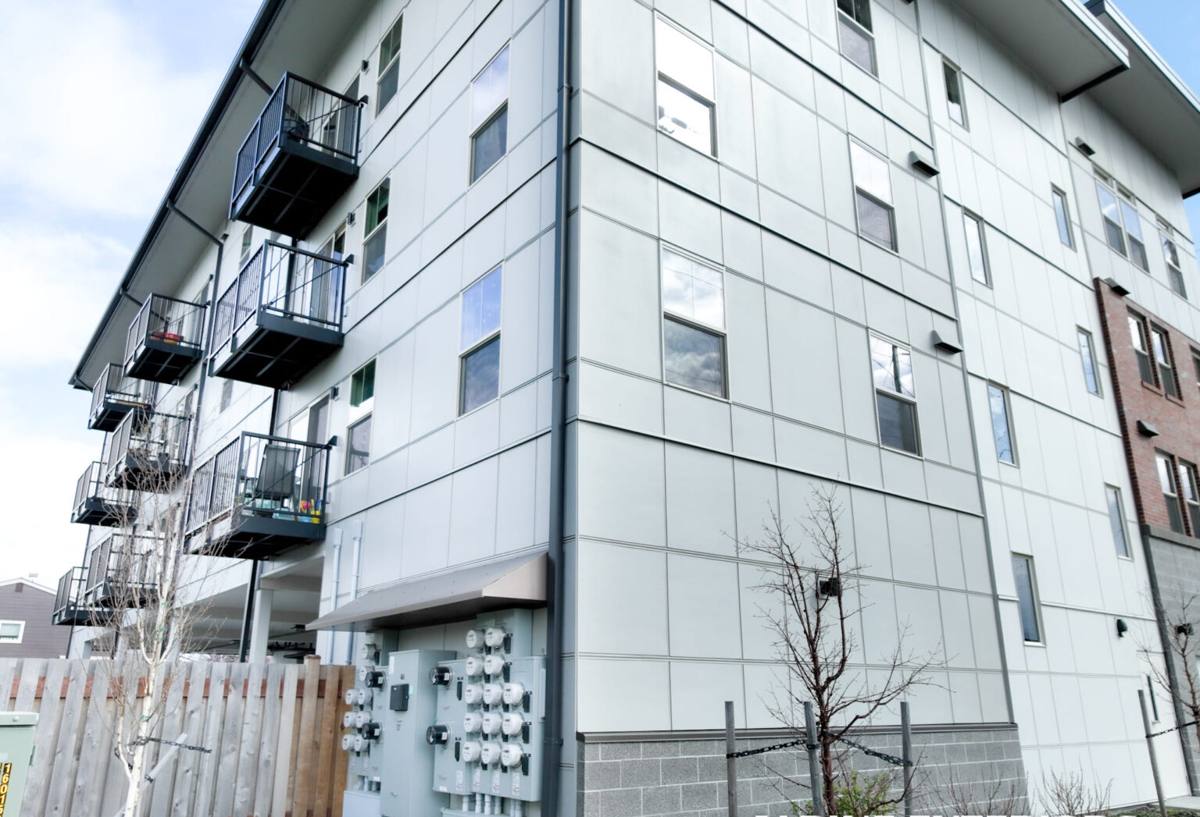
What Board & Batten Siding Is, and Why It Suits Birch Bay Homes
Board and batten is a vertical siding profile: wide flat panels installed with narrower strips (the "battens") covering the seams between them. It reads as clean, linear, and a little more modern or farmhouse-leaning than traditional horizontal lap siding, and it's a popular choice for beach and shoreline homes because the vertical lines tend to complement simple rooflines and open water views. It also shows up well as an accent — gables, dormers, or a front entry — paired with lap siding on the rest of the house.
The look is only half the story. Vertical siding sheds water differently than horizontal lap siding. There's no overlapping shingle-style drainage path — instead, water runs straight down the face of the panel and battens, which means every seam, every batten edge, and every point where the siding meets a window, door, or roofline has to be flashed and sealed correctly the first time. On a sheltered inland wall that's a manageable detail. On a Birch Bay wall facing open water and driving rain, it's the difference between siding that lasts decades and siding that starts showing problems in a few years.
Why We Install Board & Batten Only in James Hardie Fiber Cement
We don't offer board and batten in vinyl, LP SmartSide, primed spruce, or cedar. That's a deliberate standard, not a lack of options. Vertical siding is already a higher-risk profile for moisture intrusion than horizontal lap, so we don't want to compound that risk with a substrate that swells, rots, or fails when it gets wet repeatedly — which is exactly what happens to a wall facing Birch Bay's weather.
James Hardie fiber cement is cement, sand, and cellulose fiber — it doesn't absorb water the way wood-based products do, it won't rot, and it's non-combustible. Hardie's HZ5 product line is engineered specifically for climates with freeze-thaw cycling and sustained moisture exposure, which describes the Whatcom County coast well. The factory-applied ColorPlus finish is baked on under controlled conditions and backed by its own finish warranty, so board and batten walls facing the water hold their color instead of chalking or fading the way field-applied paint does after a few salt-air seasons. Combined with Hardie's product warranty, that's the standard we're willing to put our name behind on a shoreline property.
What a Correct Board & Batten Installation Involves
Panel Layout and Batten Spacing
Board and batten starts with wide Hardie panels installed vertically over the wall, with battens covering each seam. Spacing and reveal have to be planned before the first panel goes up — inconsistent batten spacing is one of the most common cosmetic mistakes on this profile, and it's very visible from a distance, which matters on an open-view lot. Panels also need proper clearance at the bottom of the wall and around penetrations so they aren't sitting in standing water or trapping moisture against the substrate.
Flashing and Moisture Management Behind Every Batten
This is the step that separates a board and batten job that lasts from one that fails early. Every panel seam gets a drainable weather-resistive barrier behind it, and every window, door, and roof intersection gets properly lapped flashing — installed so water is directed out and down, never trapped behind the siding. On a wall taking direct salt spray and driving rain, we don't rely on caulk alone to keep water out; caulk is a second line of defense, not the primary one. The primary defense is correct flashing and drainage built into the wall assembly itself.
Fastening for Wind and Salt Exposure
Fasteners matter more here than on a sheltered inland home. We follow Hardie's fastening specifications for coastal and high-wind exposure, using corrosion-resistant fasteners set to the manufacturer's pattern and depth. Under- or over-driven fasteners are a common cause of early siding problems — they either fail to hold the panel securely against wind loads or crack the fiber cement at the fastening point, both of which create a path for water.
Board & Batten Material Comparison for a Birch Bay Property
| Factor | James Hardie Fiber Cement | Vinyl | Wood / LP SmartSide |
|---|---|---|---|
| Moisture & salt air resistance | Cement-based, doesn't absorb water or rot | Won't rot, but seams and fasteners can loosen with wind and temperature swings | Wood-based core is vulnerable to swelling and rot if any seam fails |
| Finish durability | Factory ColorPlus finish, resists fading and chalking | Color molded in but can fade and become brittle over time | Field-applied paint/stain needs recoating on a set schedule |
| Fire rating | Non-combustible | Combustible | Combustible |
| Look on a vertical profile | Crisp, true panel-and-batten lines | Limited profile options, can look less substantial | Authentic look but highest maintenance to keep it that way |
| Warranty structure | Manufacturer product + finish warranty, transferable | Varies widely by manufacturer | Varies; wood substrate warranties often exclude moisture damage |
Our Process for Birch Bay Projects
We start with a walk-around of the home, paying particular attention to which walls take direct wind and rain off the water and which are more sheltered — that affects flashing detail and sometimes fastener spec. We check the existing wall assembly for any signs of past moisture intrusion before we ever put a new panel up, because covering a wet or damaged wall with new siding just hides the problem. From there we handle layout and batten spacing, install the drainage plane and flashing, and fasten and finish the panels to Hardie's specification for this exposure category. Every step is inspectable — we're not asking you to trust that flashing is right if you can't see it; we walk clients through what's happening at each stage if they want to be involved.
Living With Board & Batten in a Salt Air, High-Moss Climate
A correctly installed Hardie board and batten wall is low-maintenance, not zero-maintenance. A few habits keep it performing the way it should through Whatcom County's wet winters and mossy shoulder seasons:
- Rinse salt spray and grime off exposed walls a couple of times a year, especially anything facing open water directly
- Keep gutters and downspouts clear so runoff isn't sheeting down the face of the siding
- Trim back vegetation and tree cover that keeps any wall shaded and damp longer than the rest of the house — that's where moss gets a foothold first
- Walk the exterior once a year and look for gaps at battens, caulk joints, or trim that may have opened up
- Address any moss or algae growth early with a gentle wash rather than letting it establish and hold moisture against the panel
- Watch fastener heads and any exposed metal flashing for early corrosion, particularly on the walls closest to the water
Why a Crew That Already Works Birch Bay Matters
A siding crew that only works inland jobs doesn't build the same instincts around wind-driven rain, salt exposure, and moss cycles that a crew working the Birch Bay shoreline builds over repeated projects in that exact environment. We know which walls on a shoreline lot take the worst of the weather before we even walk the site, and we plan flashing, fastener spec, and batten detailing accordingly. That's not a marketing point — it's the difference between a board and batten installation that's technically correct on paper and one that's actually built for the wall it's going on.
If you're considering board and batten siding for a home in Birch Bay, we'll come look at the specific walls in question, talk through exposure and layout, and give you a straightforward, no-pressure estimate — no invented pricing games, just what the job actually involves for your house.