 Lynden Siding
 Ferndale's Weather Is Harder on Siding Than It Looks
Ferndale sits close enough to the water that homes here deal with a version of Whatcom County weather that inland neighborhoods don't see as much of: a steady dose of salt-laden air off the Salish Sea, wind-driven rain that hits siding sideways instead of straight down, and a wet season that stretches long enough to grow moss on anything that stays damp for more than a few days. None of that is dramatic on its own. It's the accumulation that causes problems — siding that looks fine in year one starts showing swelling, peeling paint, or dark streaking by year five or six if it wasn't built or installed for this specific combination of conditions.
We install fiber cement siding on Ferndale homes because it's the one product category that's engineered to shrug off all three of those stressors at once, and because we can back the installation with a process that's been dialed in for exactly this climate, not a generic install used everywhere from Arizona to Alabama.
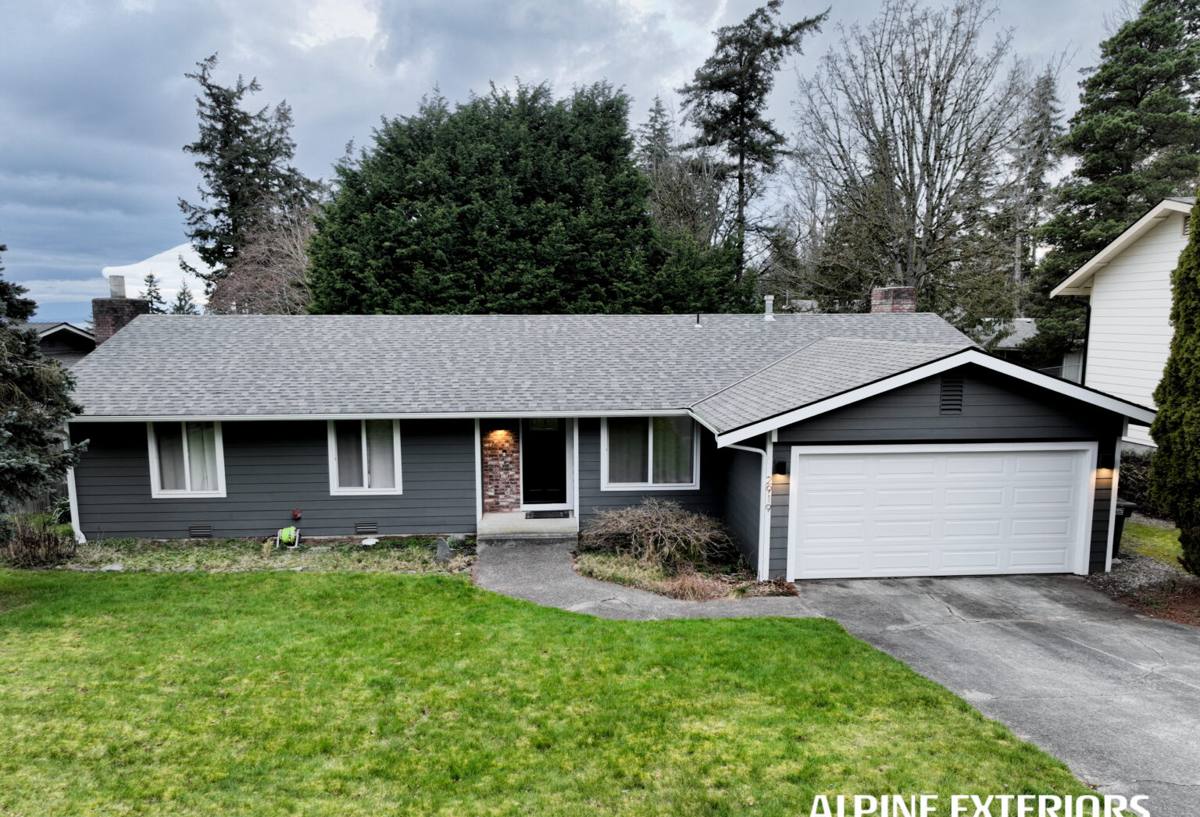
What Salt Air, Driving Rain, and Moss Actually Do to a House
Salt Air
Airborne salt is corrosive to exposed metal fasteners, trim flashing, and hardware, and it accelerates the breakdown of paint films and lower-grade composite materials over time. Siding products that aren't formulated to resist that kind of chemical exposure tend to chalk, fade, or degrade faster near the coast than the same product would inland.
Driving Rain
Wind off the water doesn't let rain fall straight — it pushes water sideways and up under laps, trim edges, and penetrations. Siding that relies on caulk alone, or that's installed without proper flashing and drainage behind it, will eventually let water in. Once moisture gets behind siding and can't dry out, you're looking at rot in the sheathing and framing, not just a cosmetic problem.
Moss and Sustained Moisture
Whatcom County's wet season is long, and north- and shade-facing walls in Ferndale can stay damp for extended stretches. Moss and algae need that sustained moisture to take hold, and once established they hold even more water against the siding surface, which speeds up whatever damage was already starting underneath.
Why Fiber Cement Handles This Climate Better
Fiber cement is a cement, sand, and cellulose fiber composite — it doesn't absorb and swell the way wood-based products can, it won't rust like metal trim, and it's dimensionally stable through the wide humidity swings that a marine climate produces across the seasons. It holds paint and factory finishes far longer than wood substrates because it isn't expanding and contracting with every wet-dry cycle the way organic materials do.
That stability matters most exactly where Ferndale homes take the most abuse: exposed elevations facing prevailing weather, areas under roof lines with heavier runoff, and any wall that doesn't get much sun to dry out between storms.
Why We Only Install James Hardie
We standardized on James Hardie fiber cement siding and don't install LP SmartSide, vinyl, or other composite alternatives. That's a deliberate call, not a brand preference for its own sake. Hardie's HZ5 product line is specifically engineered for climates like ours — cold, wet, and humid for much of the year — with a formulation aimed at resisting moisture-related damage in exactly those conditions. The ColorPlus factory finish process bakes color onto the board under controlled conditions before it ever reaches a job site, which gives it more consistent, longer-lasting color retention than field-applied paint, and it comes backed by a real transferable warranty when the installation is done to Hardie's specifications.
Just as important, fiber cement is non-combustible. That's not a selling point we invented — it's a material property that matters to insurers and to homeowners thinking about long-term risk, and it's one more reason we don't hedge with alternative products that don't offer the same performance profile.
What a Correct Installation Actually Involves
Fiber cement performs the way it's supposed to only when it's installed correctly. A rushed or generic install — the kind that treats Hardie board like it's interchangeable with any other lap siding — is how you end up with the exact moisture problems the material is supposed to prevent. On a proper job, we're paying attention to:
- A drainage plane and weather-resistive barrier behind the siding, not siding fastened directly over bare sheathing
- Proper flashing at windows, doors, and any wall penetration so water is directed out and down, never trapped
- Correct starter strip and lap alignment so each course sheds water onto the one below it
- Fastener placement and spacing per Hardie's installation specs, not generic nailing patterns
- Gaps and clearances at trim, corners, and ground level so the board has room to breathe and isn't wicking moisture from soil or concrete contact
- Caulking used only where Hardie's instructions call for it — over-caulking can trap moisture instead of keeping it out
Every one of those details is invisible once the siding is up. It's also exactly why an installation crew's experience with fiber cement, in this specific climate, matters more than almost anything else in how the job performs over the next twenty or thirty years.
What Affects the Cost of a Ferndale Fiber Cement Project
Every home is different, and we won't quote a number without seeing the house, but the same handful of factors drive cost on most projects we look at in this area:
| Factor | Why It Matters |
|---|---|
| Home size and wall area | More square footage means more material and labor hours, the largest single driver of total cost |
| Siding profile chosen | Lap siding, panel systems, and shingle-style Hardie products differ in material cost and install labor |
| Existing siding removal | Tear-off of old siding, especially if damage or rot is found underneath, adds time and sometimes sheathing repair |
| Trim and architectural detail | Corners, dormers, multiple rooflines, and window trim all add cutting, fitting, and flashing work |
| Site access | Height, landscaping, and how close equipment can get to the house affect labor efficiency |
| Moisture or structural repair | Any rot found once old siding comes off needs to be fixed before new siding goes on, which isn't always visible from a curbside estimate |
Our Process on a Ferndale Job
We start with an on-site walkthrough of the home, not a drive-by estimate — that's the only way to catch existing moisture damage, evaluate current flashing and drainage conditions, and give you a number that won't move later because of surprises. From there, the process runs through removal of the old siding, an inspection and repair of the sheathing underneath if needed, installation of a proper weather barrier and flashing system, then the Hardie siding itself installed to manufacturer specification, followed by trim, caulking, and a final walkthrough with you before we call it done. We keep the site reasonably clean throughout and haul away the old material — you shouldn't be left managing debris or coordinating disposal yourself.
Living With Moss Season: What Homeowners Can Do
Correctly installed fiber cement siding drastically reduces moisture-related problems, but it doesn't make moss impossible — nothing does in a climate this wet. A little routine attention keeps siding looking good through Whatcom County's long damp stretch:
- Trim back landscaping and tree branches that keep siding shaded and damp for extended periods
- Rinse siding periodically with a garden hose or soft wash — avoid high-pressure washing, which can force water behind laps and damage caulking
- Check gutters and downspouts each fall so overflow isn't running down the wall face
- Look at north- and shade-facing walls specifically, since they hold moisture longest and are where moss and algae show up first
- Address any caulking cracks or gaps at trim and penetrations promptly rather than waiting for the next dry stretch
Why a Crew That Already Works Ferndale Matters
A contractor who works this area regularly already knows how prevailing weather hits different wall orientations, what kind of moisture issues tend to show up under older siding in Whatcom County homes, and how to sequence a job around a wet-season forecast instead of getting caught mid-install by a stretch of driving rain. That local pattern recognition is hard to substitute for, and it's part of why we focus on doing one product system correctly in the climate we actually work in, rather than spreading across every siding material on the market.
If you're weighing a siding replacement or repair on a Ferndale home, we're glad to come take a look and walk you through what we're seeing and what it would take to do the job right. There's no pressure and no cost to get an estimate — just a straight assessment of your home and your options.