 Lynden Siding
 Window Installation Built for Laurel's Climate
Laurel sits close enough to the water and the lowland fog belt that its homes take a different kind of weather beating than houses further inland. Salt-laden air moves through on a regular basis, driving rain comes in sideways during the fall and winter storm cycle, and the long wet season means moss and mildew get a real foothold on anything that stays damp. Windows are one of the first places that shows up. Old aluminum frames pit and corrode, wood sashes swell and stick, and failed seals let moisture creep behind the trim where nobody sees it until the drywall or siding starts to soften.
When we install windows in Laurel, we're not just setting a new unit into an old hole. We're thinking about how water moves around that opening in a wind-driven rain event, how the frame material will hold up to years of salt exposure, and how the flashing detail underneath will perform once it's covered up and out of sight. That's the difference between a window that looks good on install day and one that's still performing correctly in fifteen years.
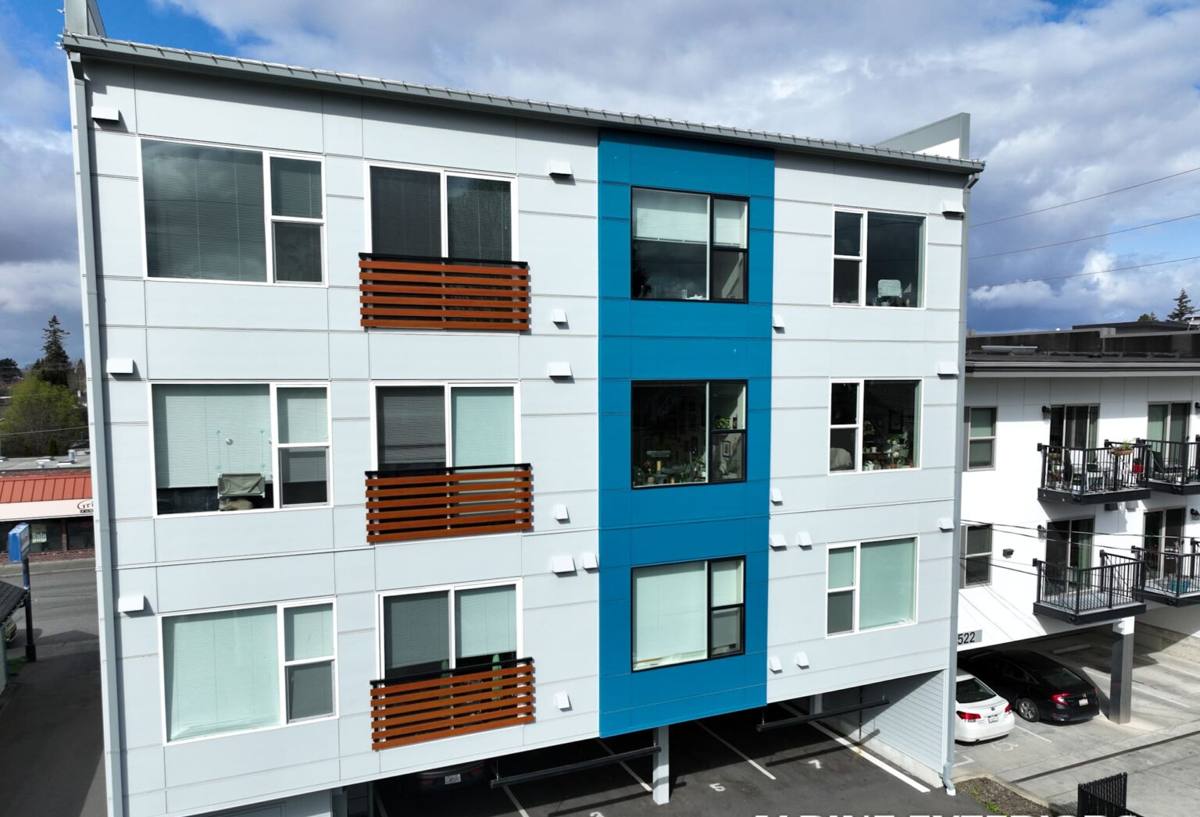
What Laurel Homes Typically Need
Most of the window work we see in this area falls into a few categories, and the right approach depends on which one you're actually dealing with.
Full Frame Replacement
If the original frame has water damage, rot, or corrosion, or if the rough opening itself needs correction, a full frame replacement is the honest answer. This means removing the old window down to the framing, inspecting and repairing the sheathing and structural opening, and installing a new window with a complete flashing system. It costs more than a pocket replacement and takes more time, but it's the only way to actually fix a problem that started at the frame or the opening.
Pocket (Insert) Replacement
When the existing frame is still sound, dry, and square, a pocket replacement lets us install a new window inside the old frame without disturbing the surrounding siding or trim. It's faster, less invasive, and less expensive. The tradeoff is that it only works when the existing frame is genuinely in good condition — we won't recommend it just to save a day of labor if we find soft wood or old water staining once we get the sash out.
New Construction Framing
For additions, garage conversions, or any opening being built from scratch, we install using a nailing flange and a full weather-resistive barrier integration, which gives the cleanest possible moisture control from the start.
Why the Flashing Detail Matters More Here Than It Does Inland
A window installation is really two jobs stacked on top of each other: setting the window unit itself, and managing the water that will inevitably reach the wall around it. In a place with occasional light rain, a mediocre flashing job might go unnoticed for years. In Whatcom County, where driving rain off the water is a regular winter feature, a shortcut in the flashing detail tends to show up within a season or two — usually as a stain on the interior sill, a soft spot in the siding below the window, or mold starting behind the trim.
Our process follows a shingle-lap sequence: sill pan first, then the window unit, then side flashing lapped over the sill pan legs, then head flashing lapped over the side flashing and integrated with the weather-resistive barrier above it. Every layer overlaps the one below it, the same way roofing works, so water is always directed outward and down rather than getting trapped behind the wall assembly. We use a sill pan on every replacement, not just new construction, because a sloped, dammed sill pan is what actually catches the water that gets past the sash before it can reach the framing.
Sealant Is a Backup, Not a Strategy
Caulk and sealant have their place, but they're not a substitute for correct flashing. Sealant degrades with UV exposure and temperature cycling, and in a marine climate like this one it needs to be treated as a maintenance item, not a permanent fix. We use it to close small gaps and finish the exterior appearance, but the actual water management comes from the mechanical flashing layers underneath.
Frame Material: What Holds Up in Salt Air
| Frame Material | Performance in Coastal/Salt Air Conditions | Maintenance Burden |
|---|---|---|
| Vinyl | Does not corrode or rust; handles salt exposure well | Low — occasional cleaning |
| Fiberglass | Excellent dimensional stability, resists moisture and salt well | Low |
| Wood (unclad) | Attractive but vulnerable to moisture and rot without diligent upkeep | High — regular painting/sealing required |
| Wood-clad (vinyl or fiberglass exterior) | Good protection on the exterior face where weather hits hardest | Moderate — interior wood still needs care |
| Aluminum (older, non-thermally-broken) | Prone to pitting and corrosion in salt air over time; poor thermal performance | Moderate to high |
We don't push one material on every homeowner. Vinyl and fiberglass frames are the lower-maintenance choice for this climate and are what we recommend most often for Laurel homes, especially on elevations that catch the prevailing wind and rain. If you want the look of real wood, a clad option gives you that appearance on the exterior face while keeping the weather-exposed surface low-maintenance. Unclad wood windows can absolutely work here, but we're upfront that they need a real maintenance commitment — repainting and resealing on a schedule, not just when something looks off.
Glass and Seal Considerations for This Climate
Double-pane, insulated glass units with a good low-E coating are standard on nearly every install we do now, and they matter for more than just energy bills. A failed seal on an insulated glass unit shows up as fogging or condensation between the panes, and in a humid, moisture-heavy climate like ours, that failure tends to happen sooner than it would in a dry inland climate because the pressure and moisture differential across the seal is more constant. We install units from manufacturers with a solid track record on seal durability, and we talk through warranty coverage on the glass package specifically, since it's often a separate warranty from the frame and labor.
Argon or krypton gas fill between panes is common on better-performing units and is worth having in a climate where you're running heat for a good chunk of the year. It's a minor cost difference at install and it's not something you can add later.
Our Installation Process
- On-site assessment of existing windows, framing condition, and rough openings
- Honest recommendation on pocket vs. full-frame replacement based on what we actually find, not what's easiest to sell
- Product selection — frame material, glass package, and style, matched to the home and your budget
- Removal of the old window and inspection of the opening for hidden rot or water damage
- Sill pan flashing installation, sloped and dammed to direct water outward
- Window set, leveled, shimmed, and fastened per manufacturer specification
- Side and head flashing installed in proper shingle-lap sequence, tied into the weather-resistive barrier
- Interior and exterior trim, insulation of the gap between frame and rough opening, and final sealant work
- Walk-through with the homeowner to confirm operation and answer questions
Signs Your Windows Need Attention
- Fogging or a permanent haze between the panes of an insulated glass window — the seal has failed
- Visible gaps, soft wood, or peeling paint at the frame or sill
- Drafts you can feel near the window even with it fully closed and latched
- Windows that are difficult to open, close, or lock — often a sign the frame has shifted or swollen
- Moss, black staining, or mildew building up on or around the exterior frame
- Water staining on interior drywall or trim below or around a window
- Noticeably higher heating bills without another clear explanation
Why Hire a Crew That Already Works in Laurel
Window installation looks similar on paper everywhere, but the details that actually matter change with the climate and the housing stock in a given area. A crew that mostly works drier inland regions may not think twice about a sill pan or a full shingle-lap flashing sequence, because in a lot of climates a smaller shortcut doesn't cause a visible problem for years. In Laurel and the surrounding Lynden area, with regular driving rain and a long stretch of damp months every year, those shortcuts show up faster and cost more to fix than they would have cost to do right the first time.
We've done this work throughout Whatcom County, on homes with the same exposure to salt air and wind-driven rain that Laurel gets, and we know which details are non-negotiable here versus which ones are genuinely optional. That local pattern recognition — knowing which elevation of a house usually takes the worst weather, which older frame materials tend to fail first in this climate, what a properly integrated sill pan needs to look like given the wall assemblies common in this area — isn't something you get from a general contracting background alone. It comes from doing this specific work in this specific place, repeatedly.
What a Fair Estimate Looks Like
Window installation costs vary based on the number of openings, frame material, glass package, and whether the job is a pocket replacement or a full-frame replacement with structural repair. Rather than quote a number that doesn't mean anything without seeing your home, we walk the property, look at every window in question, and give you a written estimate that spells out what's included — removal, disposal, materials, flashing and sill pan work, labor, and trim finish — so there's no ambiguity about what you're paying for.
If we find rot or damage once we open up an opening that wasn't visible during the initial walk-through, we'll stop, show you what we found, and talk through the options before doing any additional work. You won't get a surprise invoice for work you didn't approve.
Get a Free, No-Pressure Estimate
If your windows in Laurel are showing their age, fogging up, or just letting in more draft and moisture than they should, we're happy to come take a look. There's no cost and no obligation — just a straight assessment of what your home actually needs and what it would take to fix it right. Fill out the form below to schedule your free estimate.