 Lynden Siding
 Siding Repair Built for Deming's Wet, Mossy Climate
Deming sits in a stretch of Whatcom County where homes take a steady beating from moisture. Between driving rain off the water, salt-laden air drifting inland, and a moss season that can stretch for most of the year, siding here ages differently than it does in drier parts of the state. A crack or a soft spot that would sit harmless for years in Eastern Washington can turn into trapped water, rot, and a real repair bill in one wet winter here.
This page is about one thing: repairing siding on homes in and around Deming. Not a full remodel, not a sales pitch for a whole-house replacement you don't need — just an honest look at what local siding damage actually looks like, what a correct repair involves, and how to tell the difference between a patch job and a problem that's going to come back.
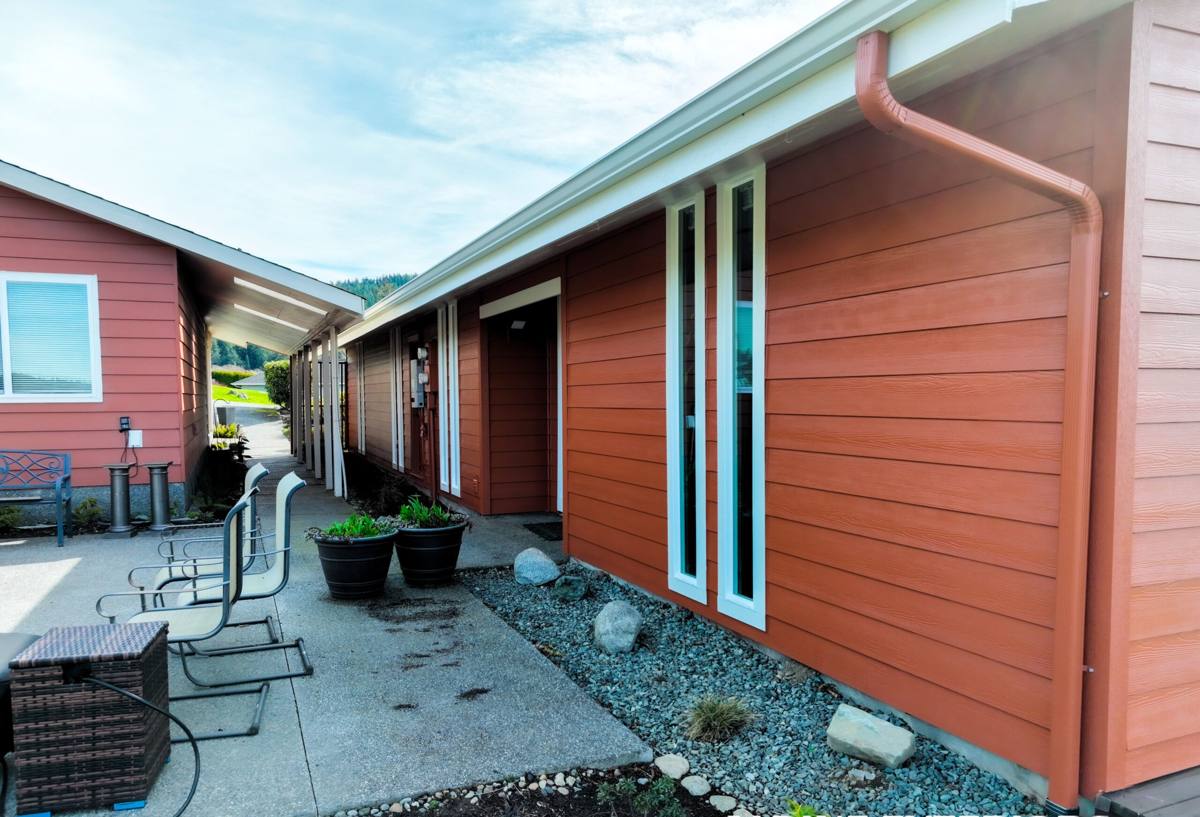
Signs Your Deming Home Needs Siding Repair
Most siding problems don't announce themselves. They show up as small, easy-to-dismiss details that get worse every rainy season they're ignored.
- Soft or spongy spots when you press on a panel, especially near the bottom courses or under windows
- Visible cracking, splitting, or buckling in individual boards or panels
- Paint that's bubbling, peeling, or failing faster than the rest of the house
- Dark streaking, green or black film, or thick moss buildup that keeps coming back after cleaning
- Gaps opening up at seams, corners, or trim where caulking has failed
- A musty smell or visible staining on interior walls that share an exterior wall with damaged siding
- Warping or separation around a single section, often a sign of an isolated water intrusion point rather than whole-house failure
Any one of these can usually be repaired without touching the rest of the house — but only if it's caught before the moisture problem spreads behind the siding.
What's Really Behind Siding Damage Out Here
Driving Rain and Wind-Driven Moisture
Whatcom County storms don't just fall straight down — wind pushes rain sideways into seams, laps, and fastener points that were never designed to shed water horizontally. Over years, that wind-driven moisture works its way behind poorly sealed joints and starts damage from the inside of the wall assembly, which is why some repairs look worse once you open the siding up than they did from the curb.
Moss and Organic Growth
The long, mild, damp stretch of the year here is close to ideal growing conditions for moss and algae. Left alone, organic growth holds moisture directly against the siding surface for months at a time, which accelerates paint failure and, on wood-based products, speeds up rot underneath.
Salt Air and Humidity
Homes closer to Whatcom County's coastal air pick up a fine layer of salt and moisture that settles into fasteners, trim joints, and any exposed edge of the siding. That combination corrodes hardware faster and keeps humidity elevated at the wall surface, which is part of why paint and caulk here don't last as long as the same products would inland.
Freeze-Thaw Cycles
Our winters aren't brutally cold, but they do dip below freezing often enough that trapped water in a damaged panel can freeze, expand, and widen a small crack into a bigger one. A hairline split that seems cosmetic in October can be a real gap by February.
Repair or Replace? How We Make the Call
Not every damaged section needs to come off the house, and not every problem should be patched. We look at three things before recommending either path:
| Factor | Leans Toward Repair | Leans Toward Replacement |
|---|---|---|
| Extent of damage | Isolated to one or two sections | Spread across multiple walls or elevations |
| Underlying structure | Sheathing and framing are dry and sound | Rot has reached the sheathing or framing |
| Age of existing siding | Siding is otherwise mid-life and performing well | Siding is near end of expected service life |
| Root cause | A fixable detail — flashing, caulk, a damaged panel | A systemic issue — poor original installation, wrong product for the exposure |
When the damage is contained and the framing underneath is dry, a targeted repair is the right call, and we'll say so. When we open a section up and find the water has been getting in for years, we'll tell you that too, along with what your options actually are — not just the most expensive one.
What a Correct Siding Repair Actually Involves
A siding repair that actually lasts through another Whatcom County winter isn't just pulling off a damaged board and nailing up a new one. It involves:
- Removing damaged material carefully without disturbing sound siding around it more than necessary
- Inspecting what's underneath — house wrap, flashing, and sheathing — for hidden moisture or rot before anything new goes back on
- Correcting the root cause, whether that's failed flashing, a bad seam, or a gap that's been letting wind-driven rain in
- Replacing damaged sheathing or framing if the moisture reached that far, not just covering it back up
- Installing matching or compatible replacement material with proper fastening, spacing, and sealant at every seam
- Color and profile matching so the repaired section doesn't stand out from the rest of the wall
Skipping the inspection step is the most common shortcut in this trade, and it's the reason "repaired" siding sometimes fails again within a couple of years. If the wall behind the siding is still wet when the new material goes up, you haven't fixed anything — you've just covered it.
If Your Current Siding Isn't Hardie
We install exclusively James Hardie fiber cement siding, and that shapes how we approach repairs on homes that currently have vinyl, LP SmartSide, cedar, or another fiber cement brand. We can still inspect, diagnose, and in many cases repair those materials — but we'll give you a straight answer about what to expect.
Wood-based and engineered-wood products in particular are sensitive to exactly the conditions Deming gets a lot of: sustained moisture and a long moss season. A patch on damaged wood siding is often addressing a symptom rather than the underlying vulnerability of the material itself. When a repair area is significant enough, we'll usually recommend replacing that section with James Hardie fiber cement rather than more of the original product — it's non-combustible, engineered for this climate, and won't reintroduce the same failure mode a few years down the road. That's a recommendation, not a requirement — small, isolated repairs on sound existing siding often don't need it. We'll tell you which situation you're in.
Our Process for Deming Homeowners
- On-site assessment — we look at the damage, check what's happening underneath where needed, and identify the actual cause
- Honest scope and estimate — a clear explanation of what needs to happen and why, with no upsell to a full replacement you don't need
- Repair work — completed with attention to matching your existing siding's look wherever the material allows
- Walkthrough — we show you what was done and what to watch for going forward
Because we work this part of Whatcom County regularly, we already know what driving-rain exposure and moss buildup tend to do to siding out here, and we're not guessing at what "normal wear" looks like in this climate versus a real problem.
What Affects the Cost of a Siding Repair
| Cost Factor | Why It Matters |
|---|---|
| Size and number of damaged sections | More material and labor to remove and replace |
| Whether sheathing or framing is affected | Structural repair adds time and material beyond the siding itself |
| Accessibility | Second-story or hard-to-reach areas require more setup and time |
| Material match | Matching an existing color or discontinued profile can take extra sourcing |
| Root cause complexity | A simple caulk or flashing fix costs far less than correcting a systemic moisture path |
We won't quote a price without seeing the damage in person — anyone who does is guessing. What we can promise is a clear, itemized estimate before any work starts.
A Quick Self-Inspection Checklist
Before you call anyone, a short walk around your home can help you describe the problem accurately and understand roughly what you're dealing with:
- Press gently on siding near the bottom of the wall and around windows — note any soft spots
- Look for moss or dark staining concentrated on the north or shaded sides of the house
- Check corners and trim for gaps or missing caulk
- Look inside, on interior walls that back up to exterior siding, for staining or a musty smell
- Note whether damage seems limited to one area or spread across several walls
Why Hire a Crew That Already Works in Deming
A contractor who mostly works drier parts of the state will diagnose Deming siding damage the same way they'd diagnose it anywhere else — and that's how repairs get misdiagnosed. Understanding how far wind-driven rain travels up a wall, how moss behaves on this exposure, and how salt-influenced humidity affects fasteners and caulk over time isn't something you get from a general checklist. It comes from working this specific stretch of Whatcom County, season after season, and seeing which repairs hold up and which ones don't.
If your siding is showing damage, we're happy to take a look, give you a straight assessment, and lay out your real options — repair, partial replacement, or otherwise — without pushing you toward more work than the house actually needs. Reach out for a free, no-pressure estimate and we'll get eyes on it.