 Lynden Siding
 Window Installation Built for the Wiser Lake Area
Wiser Lake sits in a pocket of Whatcom County that holds onto moisture longer than the drier stretches around it. Between the lake itself, the tree cover, and the marine air that rolls in off the Puget Sound and Georgia Strait, homes here deal with a steady grind of dampness for most of the year. Windows are one of the first places that shows up — fogged glass, soft trim, sticky sashes, and drafts that seem to come from nowhere. A correct installation is what keeps that grind from turning into a repair bill.
This page is about one job in one area: replacing or installing windows on homes around Wiser Lake, near Lynden, Washington. Not a general overview of window brands, not a sales pitch — just what this specific job requires when the site is a lake-adjacent property in Whatcom County, and what a crew that already works this area does differently.
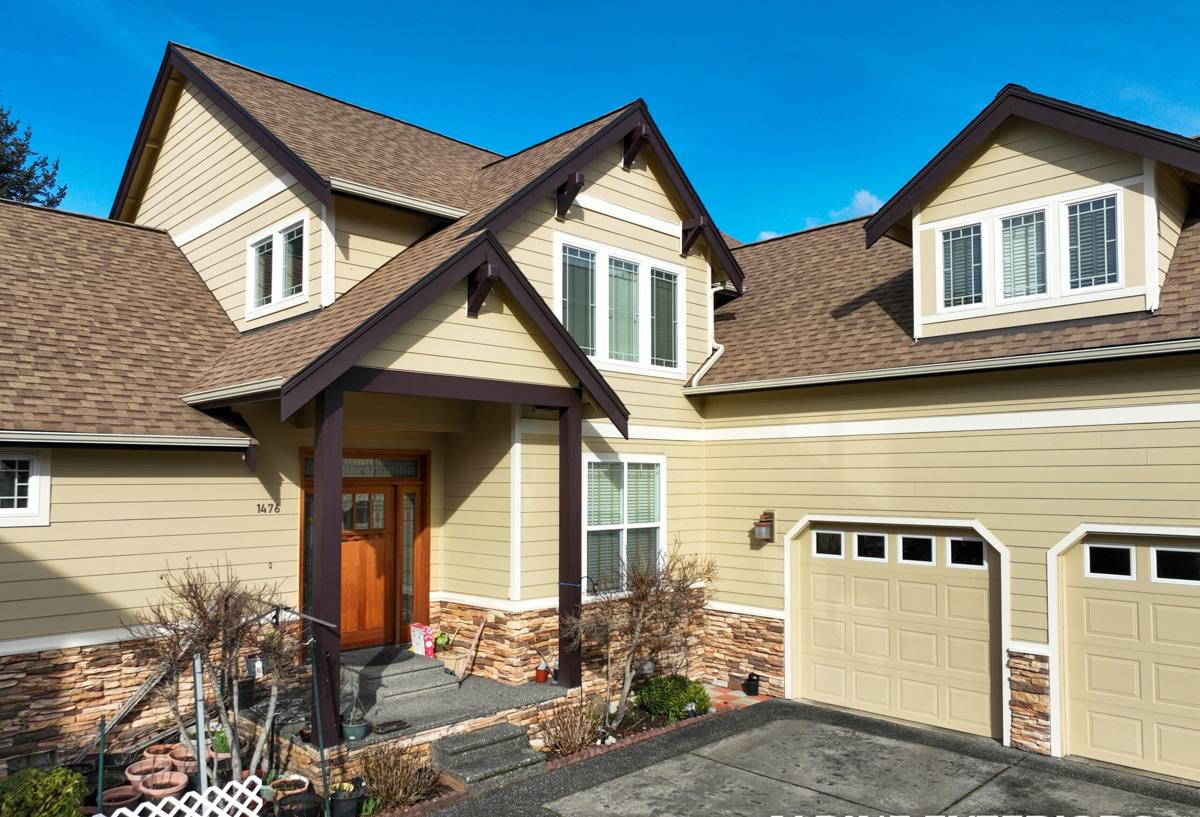
What the Local Climate Does to Windows
Whatcom County's weather isn't dramatic, but it's relentless. That's the part homeowners underestimate. A few factors specific to the Wiser Lake area matter more than people expect:
- Standing humidity from the lake. Properties close to the water hold moisture in the air longer after rain than homes on higher, more exposed ground. That extra humidity works its way into window cavities that aren't sealed correctly.
- Driving rain off the marine air. Wind-driven rain doesn't fall straight down — it pushes sideways into wall and window assemblies, which is exactly the condition flashing and weather barriers are designed to handle, and exactly where a rushed installation fails first.
- A long moss and algae season. Shaded, moisture-retaining sites like tree-lined lake lots grow moss and algae on sills, trim, and cladding for a much larger part of the year than open sites. Once organic growth gets a foothold on window trim, it holds water against the wood or substrate underneath.
- Temperature swings between glass and frame. Cool mornings off the lake followed by afternoon sun cause condensation cycles on glass and, over years, stress on seals and glazing.
None of this means Wiser Lake is a uniquely harsh place to build. It means the margin for error on flashing, sealing, and drainage is smaller than it would be on a dry, sun-exposed lot inland.
What a Correct Window Installation Actually Involves
Removal and Opening Inspection
Every installation starts with removing the old window carefully enough to see the condition of the rough opening underneath. This is the step that gets skipped on quick, low-cost jobs — and it's the step that matters most in a damp climate. We check the sill, jambs, and header for rot, soft spots, or old water staining before anything new goes in. Covering up a compromised opening with a brand-new window just hides the problem for a few more years.
Flashing and Weather Barrier Integration
The window itself is almost never what fails first — the flashing around it is. Proper flashing directs any water that gets past the exterior cladding back out, not into the wall cavity. That means correctly lapped sill pan flashing, side flashing, and head flashing tied into the house's weather-resistive barrier in the right shingle-lap order, so water always sheds downward and outward. On a driving-rain site, this sequence is non-negotiable.
Air Sealing and Insulation
The gap between the window frame and the rough opening needs to be filled with a material that stays flexible and doesn't compress or crumble over time — not stuffed with scrap material or left with gaps. Poor gap-filling is a leading cause of both drafts and condensation on the interior side of the glass in winter.
Setting, Shimming, and Fastening
A window has to be plumb, level, and square before it's fastened — even a small amount of racking in the frame puts stress on the sash and hardware, which shows up later as a window that's hard to open, doesn't latch cleanly, or lets in air along one edge. Shims carry the load at the right points; fasteners go where the manufacturer specifies, not wherever is convenient.
Choosing the Right Window for a Wiser Lake Property
There's no single "best" window material — the right choice depends on exposure, budget, and how much upkeep a homeowner wants to take on. Here's how the common options hold up in this specific climate:
| Frame Material | Performance in Wet, Shaded Sites | Maintenance |
|---|---|---|
| Vinyl | Good moisture resistance; won't rot; performs consistently in humidity | Low — occasional cleaning |
| Fiberglass | Very stable in temperature swings and damp conditions; holds paint well if desired | Low |
| Wood (unclad) | Attractive but needs consistent upkeep in a lake-adjacent, shaded climate | High — regular sealing/painting required |
| Wood-clad (exterior-clad wood) | Good balance — exterior handles weather, interior keeps wood look | Moderate |
| Aluminum | Prone to condensation without thermal breaks; not our first recommendation for this climate | Low, but performance trade-offs |
We steer most Wiser Lake homeowners toward vinyl or fiberglass for standard replacements, and wood-clad where the look matters and the budget allows. That's not a knock on other materials — it's about matching upkeep tolerance to a climate that doesn't forgive neglect for long.
Common Problems We Find on Older Wiser Lake Homes
Working this area regularly, the same issues turn up on older homes again and again:
- Wood sills soft or spongy from years of trapped moisture behind old caulk
- Single-pane or early double-pane units with failed seals, showing fogging between the panes
- Moss or algae established directly on trim and sills, holding water against the surface
- Gaps around the frame filled with old, hardened caulk instead of proper flashing and sealing
- Interior condensation and mildew on window frames during colder, wetter months
Most of these aren't visible until you're standing at the opening with the old window out. That's part of why an honest quote sometimes changes once we're actually into the wall — we'd rather tell a homeowner about hidden rot than install a new window over a problem that will just resurface.
Our Process, Start to Finish
1. On-Site Assessment
We look at the specific openings, exposure, and condition of the existing windows and trim before quoting anything. Lake-adjacent lots vary a lot depending on tree cover and how exposed the house is to wind and rain.
2. Straightforward Quote
Options are laid out by material and performance, not upsold on brand names. We explain the trade-offs the same way they're explained above, specific to the openings involved.
3. Careful Removal
Old units come out cleanly, with the opening inspected before anything new is set.
4. Correct Flashing, Sealing, and Setting
This is where the work actually happens — flashing sequence, air sealing, plumb-level-square setting, and fastening done to spec, not shortcuts to save an hour.
5. Final Walkthrough
We operate every window with the homeowner present, check for square operation and clean seals, and clean up the site before we leave.
Cost Factors for Wiser Lake Window Installation
Pricing depends on more than the window itself. These are the variables that actually move the number:
| Factor | Why It Matters |
|---|---|
| Rough opening condition | Rot or water damage found during removal adds repair work before the new window goes in |
| Frame material and glass package | Vinyl, fiberglass, and wood-clad carry different material costs; upgraded glass adds cost but improves performance |
| Number and size of openings | Larger or custom-sized windows and full-house jobs price differently than single replacements |
| Accessibility | Second-story, lake-facing, or hard-to-reach openings take more time and equipment |
| Trim and interior finish work | Matching existing trim or repainting/staining after installation adds labor |
We don't publish flat prices because two houses with the "same" window order can cost very differently once the opening is inspected. What we can promise is a clear, itemized quote before any work starts — no surprise line items after the fact for anything other than genuinely hidden damage found during removal.
Why a Local Lynden Crew Matters for This Job
A crew that regularly works Whatcom County properties, including homes around Wiser Lake, already knows the failure patterns specific to this ground: where moss takes hold first, how driving rain hits a given exposure, and what a rough opening looks like after years of lake-area humidity. That's not something a crew traveling in from outside the region picks up on the first pass. It also means faster response if something needs a follow-up look after the first wet season, without a long drive being the reason it gets put off.
Pre-Installation Checklist for Homeowners
Before scheduling, it helps to walk your own windows and note what you're dealing with. A few things worth checking:
- Press gently on wood sills and trim — any give or softness suggests moisture damage
- Look for fogging or moisture trapped between panes on double-pane windows
- Check for moss or algae buildup directly on sills, trim, or nearby siding
- Feel for drafts around the frame on a windy day
- Note whether windows are hard to open, close, or latch — a sign of a racked or settled frame
- Look at caulk lines — cracked, shrunken, or missing caulk is an early warning sign, not a final one
None of this requires special tools, and it gives us a head start when we come out to assess the property.
Get a Straightforward Estimate
If you're weighing window replacement or new installation on a Wiser Lake property, we're happy to take a look and give you an honest read on what your openings actually need — no pressure, no inflated urgency. Use the form below to request a free estimate, and we'll walk the property with the same climate factors in mind that are laid out above.