 Lynden Siding
 Roofing in Custer Isn't the Same as Roofing Inland
Custer sits close enough to the water that homes here deal with a different mix of weather than roofs even fifteen or twenty minutes inland in Lynden. The salt air off the coastline accelerates corrosion on exposed metal, the driving rain that comes through Whatcom County in fall and winter finds every weak seam in a roof system, and the long, wet moss season here does more damage to shingle roofs than most homeowners realize until it's already eaten into the granule layer. We're not describing anything unusual or alarming — this is just what a roof faces in this specific pocket of the county, and it's why a roofing job done "by the book" for a drier climate often underperforms here.
An asphalt shingle roof can absolutely handle this environment for its full expected lifespan. The difference between a roof that gets there and one that doesn't usually comes down to details that aren't visible from the ground: how the underlayment was layered, how the flashing was tied into the field of the roof, how much ventilation the attic actually has, and whether moss was ever given a fighting chance to take hold. This page is about that first-time-right approach, applied specifically to homes in and around Custer.
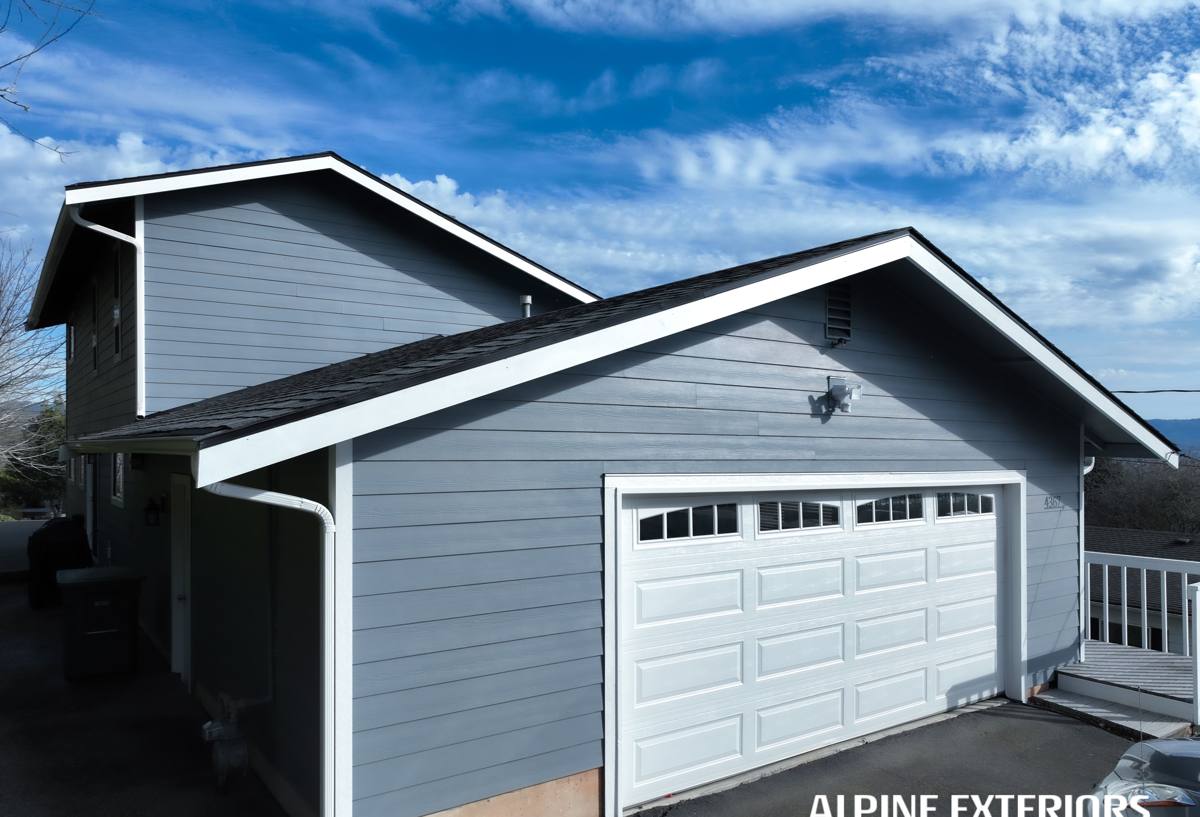
What Salt Air, Rain, and Moss Actually Do to a Shingle Roof
Salt Air and Corrosion
Salt-laden moisture in the air doesn't just affect boats and cars near the coast — it settles on roofing metal too. Nail heads, flashing, drip edge, and any exposed fasteners corrode faster in this environment than they would twenty miles inland. Once a fastener starts to rust, it can work itself loose or let water track down the shank into the deck below. That's why the type and coating of metal and fasteners we use on a Custer roof matters more than it would on a roof in a drier, inland part of the county.
Driving Rain and Wind-Driven Water
This region doesn't just get rain — it gets rain pushed sideways by wind off the water often enough that it matters for roof design. Wind-driven rain doesn't behave like a straight downpour; it can work its way up under a shingle tab or into a poorly lapped seam that would never leak in calmer weather. Roofs here need extra attention at the places water naturally wants to find a way in: valleys, roof-to-wall transitions, chimney flashing, and eaves.
Moss and the Long Wet Season
Whatcom County's moss season runs long — shaded, north-facing slopes and roofs under tree cover can stay damp for weeks at a stretch. Moss isn't just cosmetic. As it grows, it lifts shingle edges, holds moisture against the granule surface, and accelerates the shingle's aging process. Left unaddressed for a few seasons, a mossy roof can lose years of usable life compared to one that's kept clear.
What a Correctly Installed Shingle Roof Looks Like Here
A shingle roof built for this specific climate isn't a different product — it's the same asphalt shingle system installed with the right sequence and the right materials underneath it. The parts that matter most, in order from the deck up, are:
- Deck inspection and repair — soft or delaminated sheathing gets replaced before anything goes over it, not patched around.
- Ice-and-water shield at eaves and valleys — a self-adhering membrane at the most vulnerable points, not just felt paper everywhere.
- Synthetic underlayment across the field — more tear- and moisture-resistant than old-style felt, and it holds up better during the install itself if weather rolls in mid-job.
- Corrosion-resistant flashing and fasteners — chosen with the salt air exposure in mind, not just whatever's cheapest.
- Proper nailing pattern — correct nail count and placement per shingle, which affects wind resistance far more than most homeowners expect.
- Balanced attic ventilation — intake at the eaves and exhaust at the ridge, sized to the attic's actual square footage.
Skipping or shortcutting any one of these doesn't necessarily show up as a leak in year one. It usually shows up in year eight or nine, as premature granule loss, curling, or a leak at a spot that should have lasted another decade.
Choosing the Right Shingle for a Custer Roof
Not every asphalt shingle product is built the same, and the right choice depends on how exposed your roof is to wind, rain, and shade. Here's how the common tiers compare for a home in this area:
| Shingle Type | Typical Lifespan Here | Best For | Trade-Offs |
|---|---|---|---|
| 3-tab (economy) | 15–20 years | Budget-conscious re-roofs, secondary structures | Lower wind rating, less algae resistance, thinner profile shows wear sooner |
| Architectural / laminate | 25–30 years | Most primary homes in this climate | Higher upfront cost, but better wind performance and appearance over time |
| Impact-rated / heavier laminate | 30+ years | Homes with more tree exposure or storm history | Highest material cost; may qualify for insurance discounts |
For most homes around Custer, we point people toward algae-resistant architectural shingles as the baseline, not the upgrade. Given the moss and algae exposure here, the copper- or zinc-infused granules built into algae-resistant shingle lines earn their keep — they slow down the biological growth that plain shingles are more prone to in a shaded, damp climate.
Moss, Algae, and Realistic Maintenance
No shingle is moss-proof — anything that reduces moss growth is buying time, not eliminating the issue. That said, a few things make a measurable difference on roofs in this area:
- Trimming back overhanging branches so more sun and air reach the roof surface.
- Installing zinc or copper strips near the ridge on roofs with heavy shade, letting rain carry trace metal down the slope.
- Keeping gutters and valleys clear so water doesn't pool and give moss a foothold.
- Soft-washing moss and algae rather than pressure-washing, which strips granules and shortens shingle life.
We treat moss removal as maintenance, not an emergency repair — but we also don't recommend letting it go for years between cleanings. A roof checked every couple of years for moss buildup, minor flashing issues, and clogged valleys tends to reach its full lifespan; one that's ignored usually doesn't.
Ventilation and Moisture: The Part You Can't See From the Ground
A shingle roof doesn't fail in isolation — what's happening in the attic underneath it matters just as much. In a climate with this much sustained moisture, an under-ventilated attic traps warm, humid air against the underside of the roof deck. Over time that can lead to condensation, sheathing rot, and premature aging of the shingles from underneath — damage that has nothing to do with the shingle brand and everything to do with airflow.
Balanced ventilation means intake vents low (typically at the soffit) and exhaust vents high (typically at the ridge), sized so air actually moves through the attic space rather than just existing as vents. On older Custer homes we often find one without the other — ridge vents installed with insufficient soffit intake, which can do more harm than no ridge vent at all. We check and correct this as part of every re-roof, not as an upsell.
What Affects the Cost of a Roof Replacement Here
Every roof is priced on its own specifics, but the main variables we walk homeowners through are consistent across the area:
| Factor | Why It Matters Locally |
|---|---|
| Roof pitch and access | Steeper or harder-to-access roofs take longer and require more safety setup |
| Number of layers to remove | Tear-off of existing layers adds labor and disposal cost |
| Deck condition | Moisture exposure in this climate makes deck repair more common here than in drier regions |
| Shingle tier chosen | Architectural and impact-rated products cost more upfront but resist this climate's wear better |
| Flashing and ventilation upgrades | Often the difference between a roof that reaches its full lifespan and one that doesn't |
We give straightforward, itemized estimates rather than a single lump number, so you can see exactly where the cost is going and where there's room to adjust if budget is a factor.
Our Process, Start to Finish
- On-site inspection — we look at the roof, the attic, and the ventilation, not just the shingles.
- Written estimate — itemized by material and labor, with options if you're weighing shingle tiers.
- Scheduling around weather — we plan tear-off and dry-in around the forecast, since an open roof and driving rain don't mix.
- Deck repair as needed — any soft or damaged sheathing is replaced before underlayment goes down.
- Installation — ice-and-water shield at vulnerable points, synthetic underlayment, correct nailing pattern, and flashing detail at every transition.
- Ventilation correction — intake and exhaust balanced to the attic, not just added for show.
- Cleanup and magnetic sweep — job site and yard cleared of debris and stray fasteners.
- Final walkthrough — we go over the finished roof with you before calling the job done.
Signs Your Custer Roof Needs Attention Sooner Rather Than Later
Most roof problems in this area give some warning before they turn into a leak. Worth a call if you notice:
- Granules collecting in gutters or at the base of downspouts
- Dark streaking or green/black growth spreading across the shingle surface
- Moss visibly lifting shingle edges, especially on shaded or north-facing slopes
- Curling, cracking, or shingles that look flatter and thinner than the rest of the roof
- Daylight visible through the attic roof deck, or damp insulation after a hard rain
- Rust staining around flashing, vents, or exposed fasteners
None of these mean you need a full replacement automatically — some are repair-level issues if caught early. But in this climate, "early" matters more than it does somewhere drier, because moisture-related damage compounds quickly once it starts.
Why a Crew That Already Works Custer Matters
Roofing crews that work all over Western Washington know general best practices. Crews that regularly work Custer and the surrounding Lynden area know which slopes hold moss longest through the wet season, which roof orientations take the worst of the wind-driven rain, and which older homes in the area tend to have ventilation shortcuts from a previous re-roof. That local pattern recognition doesn't replace good workmanship, but it does mean fewer surprises during the job and a roof that's built with this specific climate in mind from the estimate forward, rather than treated as a generic install.
It also means straightforward answers when you call with a question after the job is done — no guessing at conditions we haven't actually seen firsthand in this part of Whatcom County.
If your roof is due for a look, whether that means a repair, a maintenance visit, or a full replacement, we're glad to come take a look and give you a free, no-pressure estimate. Use the form below to get started.