 Lynden Siding
 Asphalt Shingle Roofing Built for Laurel's Climate
Laurel sits in the low, damp country just east of Lynden, in a stretch of Whatcom County where the weather doesn't do anything in half measures. Rain comes sideways off the Strait more months than not, humidity off the Nooksack valley keeps roof surfaces wet long after the storm passes, and shaded north-facing slopes can hold moss and moisture from October clear through April. An asphalt shingle roof that's installed correctly handles all of that without complaint for decades. One that's installed with shortcuts — wrong nailing pattern, skipped underlayment, poor ventilation — starts showing problems in three or four years, not twenty. The difference isn't the shingle brand. It's the install.
We work on homes in Laurel and throughout the Lynden area regularly, which means we're not guessing at what this climate does to a roof. We're looking at real examples of what holds up and what doesn't, every week.
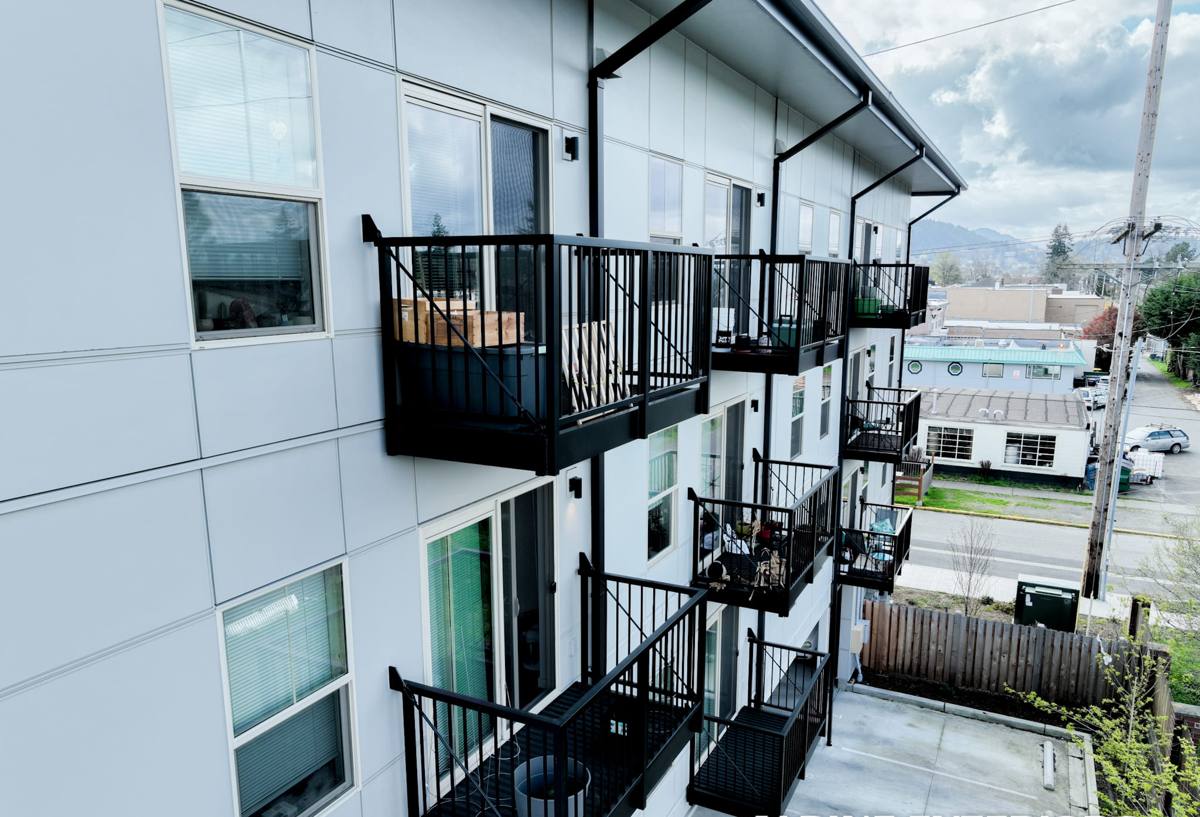
What Local Homes Actually Need From a Roof
Three things drive roof failure around here, and none of them are exotic:
- Sustained moisture exposure. Long stretches of drizzle and fog mean shingle surfaces and underlayment stay damp far longer than in drier climates, which accelerates wear on any product not rated and installed for it.
- Moss and organic growth. Shaded roof sections, tree cover, and persistent moisture create ideal conditions for moss, which works into shingle tabs and lifts them, opening a path for water.
- Wind-driven rain. Storms off the Pacific don't just drop rain straight down — they push it sideways and under loose edges, tabs, and flashing that a drier-climate installer might not think twice about.
A roof built for Laurel needs to shed water fast, resist moss colonization, and keep every seam and penetration sealed against wind-driven wet weather. That's the standard we build to.
What a Correct Asphalt Shingle Install Actually Involves
Asphalt shingles look like a simple product, and the material itself is straightforward. What separates a roof that lasts from one that doesn't is everything underneath and around the shingles — the parts a homeowner doesn't see once the job is done.
Underlayment and Water Barrier
We install a synthetic underlayment across the full roof deck, with self-adhered ice-and-water membrane at eaves, valleys, and any low-slope transitions — the spots where wind-driven rain and ice damming are most likely to force water backward under the shingles. This is not optional in a climate that sees this much sustained wet weather.
Deck Inspection and Repair
Before anything goes down, we check the roof deck itself for soft spots, rot, or delamination — especially around older homes in the Laurel area where original sheathing may have taken on moisture over the years. Shingles installed over a compromised deck fail early no matter how good the shingle is.
Proper Nailing
Manufacturer nailing patterns exist for wind resistance, and this is one of the most commonly skipped details in fast, low-bid roofing work. We nail to spec, in the nailing zone, with the correct fastener count per shingle — not stapled, not overdriven, not placed high on the shingle where it won't hold.
Flashing at Every Penetration
Chimneys, vents, skylights, and wall-to-roof transitions are where the majority of leaks start — not in the open field of shingles. We install new step flashing, counter-flashing, and pipe boots at every penetration rather than reusing old flashing, which is a common corner cut that causes leaks within a year or two.
Ventilation
A roof deck that can't breathe traps moisture from the inside, which rots sheathing and shortens shingle life from underneath — independent of anything the weather is doing outside. We balance intake and exhaust ventilation so the attic space moves air correctly, which matters as much in our damp climate as it does in a hot one.
Our Process for Laurel Roofing Projects
| Step | What Happens |
|---|---|
| 1. On-site inspection | We walk the roof, check the deck, attic ventilation, and flashing condition, and take measurements. |
| 2. Written estimate | A clear scope and price — materials, labor, disposal, and any deck repair contingencies spelled out up front. |
| 3. Material selection | We help you choose a shingle line and color that fits your home and budget, with samples to view in real light. |
| 4. Tear-off and deck prep | Full removal of old roofing, deck inspection, and repair of any damaged sheathing before anything new goes down. |
| 5. Underlayment and flashing | Ice-and-water membrane at vulnerable areas, synthetic underlayment across the field, new flashing at all penetrations. |
| 6. Shingle installation | Installed to manufacturer nailing spec, with attention to valleys, ridges, and edge details. |
| 7. Cleanup and final walk-through | Full site cleanup including magnetic nail sweep, and a walk-through so you can see the finished work. |
Moss, Algae, and Salt Air: What Ongoing Care Looks Like
Even a well-installed roof needs some seasonal attention in this climate. Whatcom County's damp, shaded conditions mean moss and algae growth is a matter of when, not if, on many roofs — particularly north-facing slopes and areas under tree cover. We recommend:
- Keeping gutters and valleys clear of needles and leaf debris, which hold moisture against the shingle surface and accelerate moss growth
- Trimming back overhanging branches to reduce shade and debris drop onto the roof
- Having moss gently removed by a professional rather than pressure-washed, which can strip granules and shorten shingle life
- Considering zinc or copper strips near the ridge on shade-prone roofs, which help suppress moss regrowth between cleanings
- Scheduling a roof check after major windstorms to catch lifted tabs or debris damage early
None of this is expensive or complicated, but skipping it is how a twenty-five-year shingle ends up needing repair at year eight.
Comparing Shingle Options for This Climate
Not all asphalt shingles perform the same in wind-driven rain and moss-prone conditions. Here's how the common options stack up for a Laurel roof:
| Shingle Type | Typical Lifespan | Best For |
|---|---|---|
| 3-tab | 15–20 years | Budget-conscious projects on simpler rooflines; lower wind resistance than architectural |
| Architectural / dimensional | 25–30 years | Most Laurel homes; better wind rating, thicker profile sheds water more effectively |
| Algae-resistant (AR) architectural | 25–30 years | Shaded lots and north-facing slopes prone to moss and algae staining |
| Impact-rated | 30+ years | Homes wanting extra durability against wind-blown debris; often carries an insurance discount |
For most homes in this area, we recommend an algae-resistant architectural shingle — it's the middle ground that handles wind, sheds water well, and resists the moss staining that's so common on shaded Whatcom County roofs.
Repair or Replace? Signs to Watch For
Not every roof problem means a full replacement. Here's a quick self-check before you decide which conversation to have with us:
- Missing or curling shingles in isolated spots, roof otherwise intact — usually a repair
- Granule loss visible in gutters, shingles look bare or shiny in patches — aging roof, evaluate remaining life
- Soft spots or sagging when walked on — deck damage, needs inspection regardless of shingle age
- Daylight visible through the attic roof boards — active leak path, needs prompt attention
- Widespread moss coverage lifting tabs across multiple sections — often a sign it's time to plan replacement rather than keep cleaning
- Roof is 20+ years old with no major issues — worth an inspection to plan ahead rather than wait for a failure
What Affects the Cost
Every roof is different, but the same handful of factors drive the price on most Laurel projects:
| Factor | Why It Matters |
|---|---|
| Roof size and pitch | More square footage and steeper pitches mean more material and labor time |
| Number of layers to remove | Tear-off of multiple existing layers adds labor and disposal cost |
| Deck condition | Rotted or soft sheathing found during tear-off requires repair before shingles go down |
| Roof complexity | Valleys, dormers, chimneys, and skylights all add flashing work and labor time |
| Shingle line chosen | 3-tab, standard architectural, and algae-resistant/impact-rated products carry different material costs |
| Ventilation upgrades | Adding or correcting intake/exhaust venting during the project affects scope |
We won't give you a number over the phone that means anything — every one of these factors needs eyes on the actual roof. What we will give you is a written estimate that breaks out exactly what you're paying for, with no surprise add-ons once we're up on the roof.
Why a Crew That Already Works Laurel Matters
Roofing crews that don't work this specific area regularly tend to build to a generic standard — good enough for a drier climate, not built for what a Whatcom County winter actually does to a roof. We're not learning this weather pattern on your project. We know which details matter here: the ice-and-water coverage at eaves, the flashing at penetrations, the ventilation balance, the shingle choice that resists moss on a shaded lot. That local familiarity is the difference between a roof that needs attention in five years and one that's still doing its job in twenty-five.
If you're weighing a repair, a full replacement, or just want an honest read on where your current roof stands, we'll come take a look. If you're in Laurel or anywhere around Lynden and want a straightforward, no-pressure estimate, use the form below and we'll get you scheduled.