 Lynden Siding
 Why Decks in Bellingham Wear Out Faster Than You'd Expect
Bellingham sits close enough to the water that salt air is a real factor in how fast a deck ages, even on homes that aren't right on the bay. Salt-laden moisture works into fastener heads, hinges, and any exposed metal hardware, and once corrosion starts under a board or at a connection point, it doesn't stop on its own. Add in the driving rain that comes through Whatcom County off the Sound for much of the year, and you've got wood and composite surfaces that stay damp far longer than they would in a drier inland climate.
Then there's moss. Bellingham's moss season isn't a few weeks in spring — it's a long stretch from fall through winter into early spring where shaded, low-airflow deck surfaces stay wet almost continuously. Moss doesn't just look bad. It holds water against the board surface, blocks sun and airflow that would otherwise let wood dry out between rains, and accelerates rot in ways that aren't always visible until the structure underneath is already compromised.
None of that means every deck in Bellingham needs to be torn out early. It means the materials, fasteners, and structural details matter more here than they would somewhere drier, and a deck built without accounting for that climate tends to show problems years before it should.
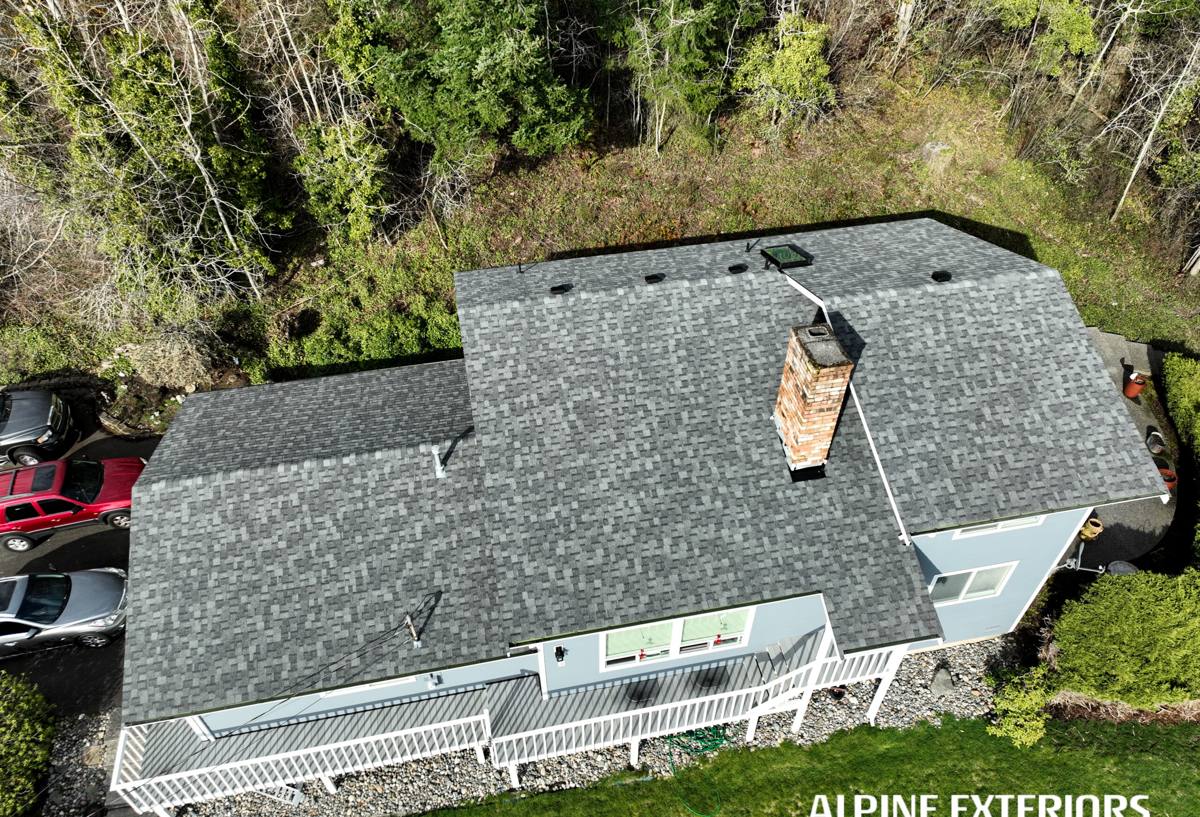
Repair, Resurface, or Full Replacement — What's the Difference
Not every aging deck needs to be torn out to the footings. It's worth being clear about what each option actually means before deciding which one fits your situation.
Repair means replacing individual boards or fixing isolated damage while the rest of the structure stays in place. This works when the framing underneath is sound and the problem is limited to a handful of boards, usually from a localized leak, impact damage, or one section that stayed wetter than the rest.
Resurfacing means installing new decking boards over an existing frame that's still structurally solid. It can freshen the look and buy time, but it only makes sense if the joists, ledger board, and posts underneath have been inspected and are actually in good shape — resurfacing over a failing frame just hides the problem.
When Resurfacing Isn't Enough
If the framing shows rot, the ledger board connection to the house has failed, posts have shifted, or the deck was undersized or under-built to begin with, resurfacing is a short-term fix at best. Full replacement — removing the deck down to the footings and rebuilding the structure — is the honest answer when the problems are structural rather than cosmetic. It costs more upfront than a resurface, but it's the only option that actually resolves the underlying issue instead of covering it.
Signs Your Bellingham Deck Needs Full Replacement
A few warning signs point pretty reliably toward replacement rather than repair:
- Boards that feel soft, spongy, or give slightly underfoot, especially near the house or in shaded corners
- Visible separation, staining, or rot where the deck meets the house at the ledger board
- Posts that wobble, or footings that have visibly shifted, heaved, or cracked
- Rust streaking below fastener heads or hardware, which usually means corrosion has already started underneath
- Moss or algae that comes back within weeks of cleaning, no matter how it's treated
- Noticeable bounce, sag, or unevenness when you walk across the deck
Any one of these on its own might just mean a repair. Two or three together, especially structural ones like ledger separation or post movement, usually mean the frame has been compromised and a patch job won't hold.
Choosing Decking Material for Whatcom County Weather
Material choice matters more here than in a dry climate, because whatever you pick is going to spend a lot of the year wet. Here's how the common options compare for a Bellingham application:
| Material | Moisture Behavior | Maintenance | Our Take for This Climate |
|---|---|---|---|
| Pressure-treated lumber | Resists rot well if properly sealed and maintained; end grain and cut edges are vulnerable points | Needs re-sealing every 1-2 years in this climate to stay ahead of moisture | Budget-friendly and solid if you're willing to keep up with sealing |
| Cedar | Naturally rot-resistant, but softer and more prone to surface wear and moss growth without upkeep | Regular cleaning and periodic sealing to preserve appearance and resistance | Good option if you want a natural wood look and don't mind the maintenance |
| Capped composite | Doesn't absorb moisture the way wood does, so it's less prone to rot and warping | Occasional washing to keep moss and algae from taking hold on the surface | Our default recommendation for lower long-term maintenance in a wet climate |
Composite isn't the right call for every budget or every homeowner's preference, and we're not going to tell you wood decking is a mistake — plenty of well-built and well-maintained wood decks last decades here. The honest trade-off is maintenance: wood needs more consistent attention to keep moisture from winning, composite needs less but costs more upfront.
What a Correct Deck Replacement Actually Involves
The Ledger Board Connection
The point where the deck attaches to the house is the single most important detail on the whole project, and it's the one most likely to be done wrong on an older or budget build. Flashing needs to be installed correctly behind the ledger board so water is directed away from the house band board rather than trapped against it. A failed ledger connection is one of the most common reasons we see decks condemned structurally — and it's almost always hidden until the boards or siding around it are pulled back.
Footings and Framing
Footings need to be set to proper depth and bear on solid ground, not just poured to whatever depth was convenient. Joist spacing has to match the decking material and expected load, and in a climate like this, we run flashing tape over the top of the joists before decking goes down — it's a small step that keeps water from wicking into the top of the joist where boards are fastened.
Fasteners and Hardware
Given the salt air this close to the water, we use corrosion-resistant fasteners and hardware — stainless steel or hot-dip galvanized rated for coastal exposure — rather than standard hardware that can start rusting within a few seasons. This is a detail that's easy to cut on a bid and expensive to fix later once staining and corrosion have already set in.
Our Deck Replacement Process
- On-site assessment — we look at the existing deck, ledger connection, footings, and framing to determine whether it's a repair, resurface, or full replacement situation
- Permitting — deck replacements typically require a permit through the local jurisdiction; we handle that paperwork so it's not on you
- Demolition and haul-away — full removal of the old structure down to the footings when replacement is warranted
- Structural work — footings, framing, ledger flashing, and hardware brought up to current standards
- Decking, railing, and stairs installed — using the material you've chosen, fastened and finished correctly
- Final walk-through — we go over the finished deck with you before calling the job done
Why a Lynden Crew That Already Works Bellingham Matters
We're based in Lynden, and Bellingham is a regular part of our service area — not a job we drive in for once and never see again. That matters for a few practical reasons. We're familiar with the local permitting process, which keeps the paperwork side of the project moving instead of stalling. We've seen how differently a deck ages depending on whether it's tucked under conifers, exposed to open wind off the bay, or somewhere in between, and that shapes how we frame and flash the build. And because we're not far away, warranty callbacks or a question six months after the job don't mean waiting on a crew that's moved on to a different region.
What Affects the Cost of a Deck Replacement
| Factor | Why It Matters |
|---|---|
| Deck size | More square footage means more material, labor, and footings |
| Material choice | Pressure-treated, cedar, and composite carry different upfront costs |
| Height and stairs | Taller decks and multi-level stairs add framing, railing, and labor complexity |
| Structural repair needed | Rotted footings or a failed ledger connection add work beyond surface decking |
| Demo and haul-away | Access, disposal, and the condition of the old structure affect removal time |
| Railing style | Cable, glass, and custom railing systems cost more than standard wood or composite railing |
We won't quote a number without seeing the site, but we can walk you through these factors during the estimate so you understand what's driving the price rather than just seeing a total.
Keeping a New Deck Ahead of Moss and Rot
A properly built deck still needs some basic upkeep in this climate to get its full lifespan. Route gutter downspouts away from the deck rather than letting them dump onto it, sweep leaves and needles off regularly so they don't hold moisture against the boards, and do a yearly check of the ledger board area and any visible hardware for early signs of staining or corrosion. Avoid leaving solid-bottomed planters or furniture pads in one spot for months at a time — they trap moisture underneath and are a common spot for moss and rot to start even on a well-built deck.
If your deck in Bellingham is showing any of the signs above, or you're just planning ahead, we're happy to come take a look. Estimates are free and there's no pressure — we'll tell you honestly whether you're looking at a repair or a full replacement before any work starts.