 Lynden Siding
 New Roof Installation Built for Bellingham's Coastal Climate
Bellingham sits close enough to the water that salt air is a real factor in how a roof ages, and it gets the same steady, driving rain that soaks the rest of Whatcom County most of the year. Add in the shade from mature trees on a lot of Bellingham lots and you've got long stretches where a roof surface barely dries out between storms. A roof that's engineered for a drier climate, or installed without attention to ventilation and moss resistance, tends to show its age fast here. A roof that's installed correctly for this specific environment can go the distance.
We install roofs for homeowners throughout Bellingham and the surrounding Lynden area, and the approach we take reflects what actually happens to a roof in this part of Washington over ten, twenty, and thirty years — not just what looks good on installation day.
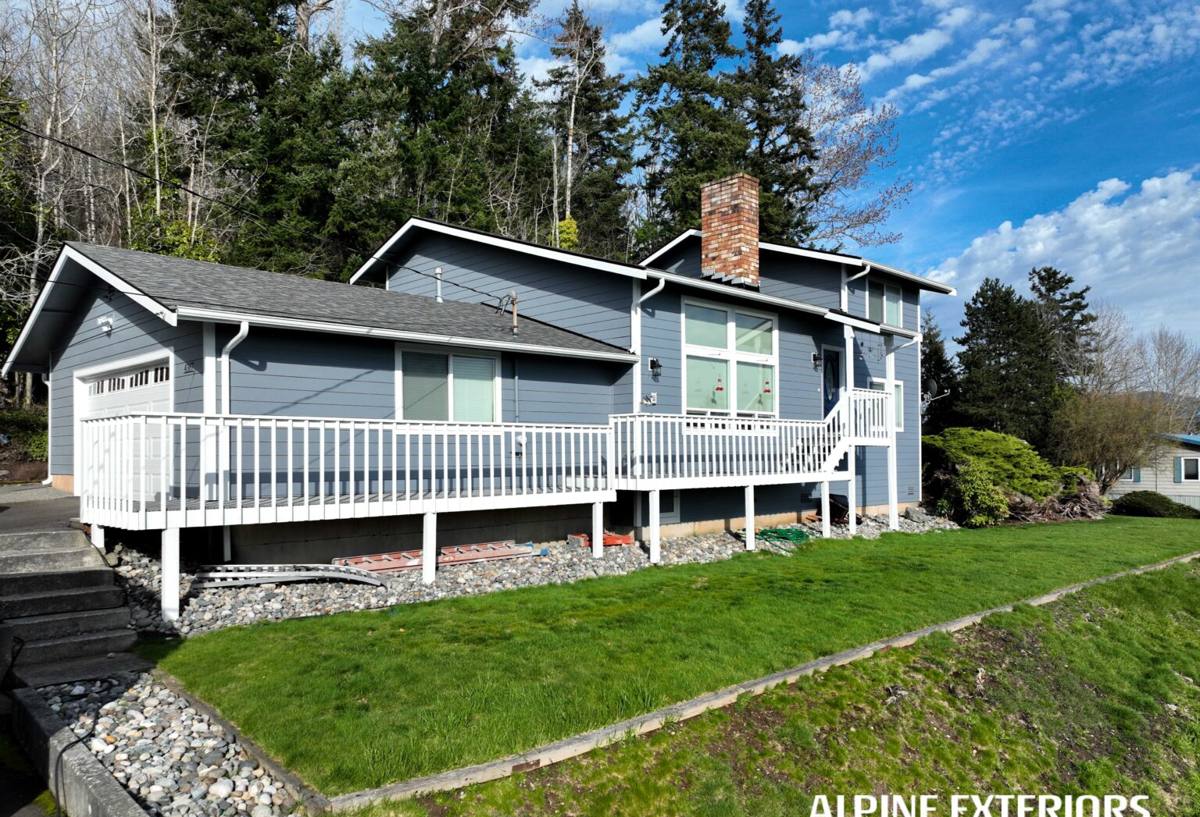
What Bellingham's Climate Actually Does to a Roof
Salt Air and Metal Fasteners
Homes closer to Bellingham Bay and the Sound get airborne salt that accelerates corrosion on exposed metal — flashing, fasteners, vents, and any hardware that isn't rated for a coastal environment. Standard hardware can start showing rust streaks and pitting years before it should. We spec corrosion-resistant fasteners and flashing metals for roofs in this zone, and it's a detail that's easy to skip if a crew isn't used to working this close to the water.
Driving Rain and Wind-Driven Moisture
Whatcom County storms don't just drop rain straight down — wind pushes it sideways under shingle tabs, around vents, and into any gap in the underlayment or flashing. A roof here needs to handle water that's actively being pushed uphill and sideways, not just gravity-fed runoff. That means ice-and-water shield or equivalent membrane at the vulnerable points (eaves, valleys, penetrations), not just at the minimum code-required spots.
Moss: The Long Season, Not Just an Eyesore
Bellingham's combination of shade, moisture, and mild temperatures gives moss a long growing season — often close to year-round on north-facing slopes or under tree cover. Moss isn't just cosmetic. It holds moisture against the roofing material, lifts shingle edges as it grows, and can work its way under laps over time. A new roof installation is the best point to build in moss resistance, because retrofitting it later is far less effective than doing it right at installation.
What a Correct New Roof Installation Involves
A new roof is more than shingles and nails. Every layer underneath the visible surface is doing work, and in a wet climate like this one, those layers matter more than they would somewhere dry.
- Tear-off and deck inspection: Full removal of the old roofing so the deck can actually be inspected — soft spots, rot, and old water damage are common findings and need to be addressed before anything new goes down.
- Deck repair: Any damaged sheathing gets replaced, not shimmed or worked around. A new roof over a compromised deck is a roof with a shortened lifespan.
- Underlayment: A synthetic or felt underlayment layer suited to the region's rainfall, with reinforced protection (ice-and-water membrane) at eaves, valleys, and penetrations.
- Flashing: New flashing at every roof-to-wall transition, chimney, skylight, and valley — corrosion-resistant metal given the coastal air.
- Ventilation: Balanced intake and exhaust airflow so the attic space doesn't trap moisture, which drives both rot and moss growth from underneath.
- Roofing material installation: Correct nailing pattern, exposure, and fastening for the specific product and the wind exposure of the home's location.
- Moss-resistant details: Zinc or copper strips at the ridge where appropriate, and material choices that hold up to sustained moisture exposure.
- Final inspection and cleanup: Walk-through of the finished roof, magnetic sweep for stray fasteners, and site cleanup.
Roofing Material Options for Bellingham Homes
There's no single "best" roofing material for every home — it depends on the roof's slope, the home's style, the budget, and how much moss and moisture exposure the specific lot gets. Here's how the common options compare for this climate:
| Material | Moisture & Moss Behavior | Typical Lifespan Here | Considerations |
|---|---|---|---|
| Architectural Asphalt Shingle | Good with proper ventilation; benefits from moss-resistant granules | 25–30 years | Most common choice; wide style and color range; cost-effective |
| Metal (Standing Seam) | Sheds water and moss well; minimal organic buildup surface | 40–50+ years | Higher upfront cost; needs coastal-rated fasteners near the water |
| Composite/Synthetic Shake | Resists moisture absorption better than wood; moss-resistant formulations available | 30–50 years | Mimics wood shake appearance without the ongoing maintenance |
| Wood Shake (Cedar) | Traditional Pacific Northwest look but absorbs moisture and needs regular moss treatment | 20–30 years with upkeep | Requires the most maintenance in this climate; higher fire-rating considerations |
We'll talk through the trade-offs honestly during your estimate — including where a cedar shake look can be achieved with a lower-maintenance composite product, if that's a priority.
Signs a Bellingham Roof Needs Replacement, Not Another Repair
Not every roof problem calls for a full tear-off, but there's a point where repeated patching stops making financial sense. Some signs worth having evaluated:
- Granule loss showing up in gutters, or shingles that look bald in patches
- Curling, cracking, or lifted shingle edges — especially on north-facing or shaded slopes
- Persistent moss growth that returns quickly after cleaning
- Daylight visible through the attic roof deck, or damp insulation
- Interior ceiling stains that reappear after rain, even after past repairs
- A roof approaching or past 20–25 years old (for asphalt) with no major upgrades
- Sagging rooflines, which can indicate deck or structural issues underneath
If a roof is showing two or three of these at once, a repair is often just delaying the same conversation by a year or two. We'll always tell you honestly if a repair is the smarter move — replacement isn't the answer for every roof problem.
Our Process for a Bellingham Roof Installation
1. On-Site Evaluation
We walk the roof and the attic, not just the exterior. Deck condition, ventilation, existing moss or moisture damage, and the home's specific exposure to wind and salt air all factor into the plan and the estimate.
2. Material and Scope Discussion
We go over material options with real trade-offs for your budget, roof style, and how much moss and rain exposure your specific lot deals with — not a one-size-fits-all recommendation.
3. Written Estimate
A clear, itemized estimate before any work starts. No pressure to sign on the spot.
4. Scheduling Around the Weather
Roofing work in Whatcom County means watching the forecast. We schedule tear-off and installation to minimize the window where a deck is exposed to rain, and we have contingency plans (dry-in tarps, staged tear-off) for weather that shifts mid-project.
5. Installation
Tear-off, deck repair as needed, underlayment, flashing, ventilation work, and material installation, done in sequence with attention to the coastal and moss-specific details covered above.
6. Final Walkthrough
We review the finished roof with you, confirm cleanup is complete, and go over any warranty documentation.
Why Hiring a Crew That Already Works in Bellingham Matters
A roofing crew that mostly works drier inland climates can do fine work and still miss the details that matter here — the right flashing metal for salt air, the ventilation balance that keeps moss from creeping back, the underlayment strategy for wind-driven rain. None of that shows up as a problem on day one. It shows up in year five or ten, as premature corrosion, moss regrowth, or leaks at points that should have been reinforced from the start.
We work throughout Lynden and the greater Whatcom County area, including Bellingham, and the specifics of this climate inform how we spec every roof — not as an upsell, but because it's what holds up out here. Local knowledge also means we're not guessing at permitting requirements or typical wind exposure for different parts of the county.
Maintaining a New Roof After Installation
A correctly installed roof still benefits from basic upkeep, especially in a climate that gives moss this much runway. A few habits that extend a new roof's life:
- Keep gutters clear so water isn't backing up under the roof edge
- Trim back overhanging branches to reduce shade and debris buildup on the roof
- Have moss growth addressed early, before it spreads or lifts shingle edges
- Schedule a periodic visual inspection, particularly after major storms
- Address any small leak or flashing issue promptly rather than waiting
Get a Free Estimate for Your Bellingham Roof
If you're weighing a repair against a full replacement, or you know it's time for a new roof and want it done right for this climate, we're happy to take a look and walk you through your options honestly. Reach out for a free, no-pressure estimate — we'll assess your roof, explain what we find, and give you a clear picture of what a correct installation looks like for your home.