 Lynden Siding
 Composite Decking Built for Kendall's Climate
Kendall sits out in the foothill country northeast of Lynden, where the tree cover is heavier, the ground stays damp longer into the spring, and a deck spends a lot more of the year shaded and wet than it would closer to town. That combination is hard on any outdoor structure, and it's especially hard on wood decking. Composite decking was built to handle exactly this kind of exposure, but only when it's installed correctly for the site it's going on. This page covers what that actually means for a deck in Kendall specifically.
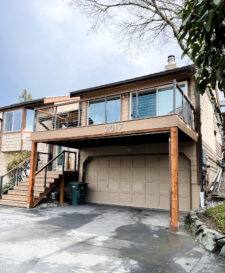
What This Corner of Whatcom County Does to a Deck
Whatcom County gets a long, wet stretch from fall through spring, and the marine air moving in off the Salish Sea keeps humidity high even on days it isn't actively raining. Out in Kendall, the tree canopy and proximity to the foothills mean less direct sun to dry a deck surface out between rain events, which is the single biggest factor in how fast moss, algae, and mildew take hold on any horizontal wood surface.
A few things we account for on every Kendall deck:
- Shaded decks stay wet longer after rain, which speeds up moss growth on any surface with texture or grain
- Driving rain during winter storms pushes moisture sideways under railings and against ledger boards, not just straight down
- Ground moisture and lower air movement near tree lines slow drying under the deck itself, which affects the substructure more than the boards
- Freeze-thaw cycles, even mild ones, work fasteners and joints loose over time if they weren't set right the first time
None of this is unique to Kendall, but it's more pronounced here than on an open, sunny lot closer to Lynden proper, and it changes some of the small decisions in a deck build.
Why Composite Makes Sense Out Here
Wood decking isn't a bad product, but it asks for a level of upkeep — annual sealing, regular moss removal, checking for soft spots — that a lot of homeowners don't have time for, and in a shaded, damp spot like Kendall, that maintenance schedule gets tighter, not looser. Skip a season of sealing and you're often looking at replacing boards within a few years instead of a couple decades.
Composite decking is manufactured from a mix of wood fiber and plastic, usually with a protective cap layer bonded to the board. It doesn't absorb water the way solid wood does, it won't splinter, and it resists the moss and mildew staining that shaded, damp lumber is prone to. That doesn't mean it's maintenance-free — it still needs to be cleaned and it still needs to be installed with drainage and airflow in mind — but the maintenance burden drops considerably compared to wood, which matters most in exactly the kind of shaded, wet site Kendall tends to have.
Where Composite Still Has Trade-Offs
We tell people this straight: composite boards can run warmer underfoot in direct sun on darker colors, the upfront material cost is higher than pressure-treated lumber, and if the substructure underneath isn't built correctly, composite will hide a moisture problem in the framing longer than wood would — because you won't see the surface rot as a warning sign. That's exactly why the substructure work matters as much as the boards themselves.
What a Correct Installation Actually Involves
The Substructure Comes First
The decking boards get all the attention, but the framing underneath is what determines whether the deck lasts. On a shaded, damp lot, that means pressure-treated joists spaced to the manufacturer's specification for composite (usually tighter than typical wood-decking spacing), proper flashing at the ledger board where the deck meets the house, and joist tape over the top of every joist to keep water from wicking into the lumber through fastener holes.
Drainage and Airflow Underneath
In a spot like Kendall, where the ground stays damp and airflow is already reduced by tree cover, keeping the space under the deck ventilated matters more than usual. We grade for drainage away from the foundation, keep skirting vented rather than sealed tight, and avoid designs that trap standing water or debris underneath where it can't dry out.
Fastening and Board Layout
Hidden fastener systems are standard on most composite lines now and give a cleaner look than face-screwing, but they have to be installed with the manufacturer's specified gapping to allow for thermal expansion — composite moves more with temperature swings than solid wood does. Board ends and cut edges need to be capped or sealed per the manufacturer's instructions, since an unsealed cut edge is the one place composite can still take on moisture.
Railings and Transitions
Railing posts and any point where the deck meets stairs, the house, or a patio are the spots most exposed to driving rain during winter storms. These need proper flashing and sealing details, not just a caulk bead, or you end up with water intrusion points that show up as soft framing a few years down the road.
Composite vs. Wood vs. PVC — How They Compare for This Site
| Factor | Wood | Composite | PVC/Vinyl Decking |
|---|---|---|---|
| Moisture resistance in shaded, damp spots | Poor without regular sealing | Strong, capped boards resist moss/mildew staining | Strongest, fully synthetic |
| Annual maintenance | Sealing, staining, moss treatment | Periodic cleaning only | Periodic cleaning only |
| Upfront material cost | Lowest | Mid-range | Highest |
| Feel/appearance | Natural wood grain | Wood-look with more color options | Uniform, less wood-like |
| Longevity with correct install | 10-15 years typical | 25-30+ years typical | 25-30+ years typical |
We install composite most often in Kendall because it's the practical middle ground for this climate — better moisture behavior than wood without the higher cost and different feel underfoot that comes with full PVC systems. That said, the right product depends on the specific deck, the budget, and how the space gets used, and we'll walk through that honestly during the estimate rather than push one product line by default.
How We Handle a Kendall Composite Deck Project
- On-site assessment of the existing structure (if replacing a deck) or the build site, including grading, drainage, and sun/shade exposure
- Substructure design sized for composite decking loads and spacing, with joist tape and flashing detailed at every ledger and post connection
- Material selection walk-through — colors, board profiles, hidden fastener options — based on what fits the home and the budget
- Installation with attention to expansion gaps, cut-edge sealing, and drainage underneath
- Final walk-through covering how the specific product warranty works and what upkeep it actually needs
Cost Factors on a Kendall Deck Build
| Factor | Why It Moves the Price |
|---|---|
| Deck size and shape | More square footage and more angles/cuts increase material and labor |
| Substructure condition | Replacing framing costs more than decking over sound existing framing, but skipping needed repairs isn't a real option in a damp site |
| Board tier and brand | Composite lines range from entry-level capped boards to premium multi-tone profiles |
| Railing and stair complexity | Custom railing systems and multiple stair sets add labor and material |
| Site access | Wooded, sloped, or hard-to-reach lots (common around Kendall) can add time for material staging and equipment access |
Keeping a Composite Deck Looking Right in This Climate
- Sweep off leaves and debris regularly in fall — trapped organic matter is what feeds moss growth on any deck surface
- Rinse the deck and, if needed, use a soft-bristle brush with a mild cleaner made for composite — avoid pressure washing directly into board grooves
- Keep gutters and downspouts clear so runoff isn't dumping extra water onto or under the deck
- Check that skirting vents stay clear of debris so air can keep moving underneath
- Inspect railing posts and stair connections once a year for any movement, especially after a hard winter
Why It Matters That We Already Work in Kendall
A composite deck built to a generic spec sheet and one built for a shaded, damp Whatcom County lot aren't the same job, even though the boards on top might look identical. Knowing how much shade a typical Kendall lot gets, how long moss season really runs out here, and how driving rain moves during a winter storm changes the substructure decisions before a single board goes down. That's the difference between a deck that needs attention in five years and one that doesn't.
We're a local Lynden-based crew, and Kendall is part of the area we already work in regularly — not a stretch job we're driving in for once and leaving. That matters when a warranty question comes up or a railing needs a look a few years down the line.
If you're planning a new composite deck or replacing an aging wood deck in Kendall, we're glad to walk the site with you and put together a straightforward, no-pressure estimate. Use the form below to get started.