 Lynden Siding
 Building Decks That Hold Up in Bellingham's Climate
A deck in Bellingham lives a different life than one in a dry inland town. Between the salt-laden air rolling in off Bellingham Bay, the long stretch of driving rain from fall through spring, and the shaded, moss-friendly conditions many lots sit under, a deck here has to be built to shed water fast, resist corrosion, and stay walkable without turning into a slip hazard every winter. We build decks for homeowners throughout the Bellingham area out of Lynden, and the details that matter most on this side of Whatcom County are not the same ones that matter in a drier climate.
This page covers what we actually do differently for a Bellingham deck build — the materials, the framing details, the drainage planning, and the maintenance reality — so you know what a correctly built deck looks like before you sign off on one.
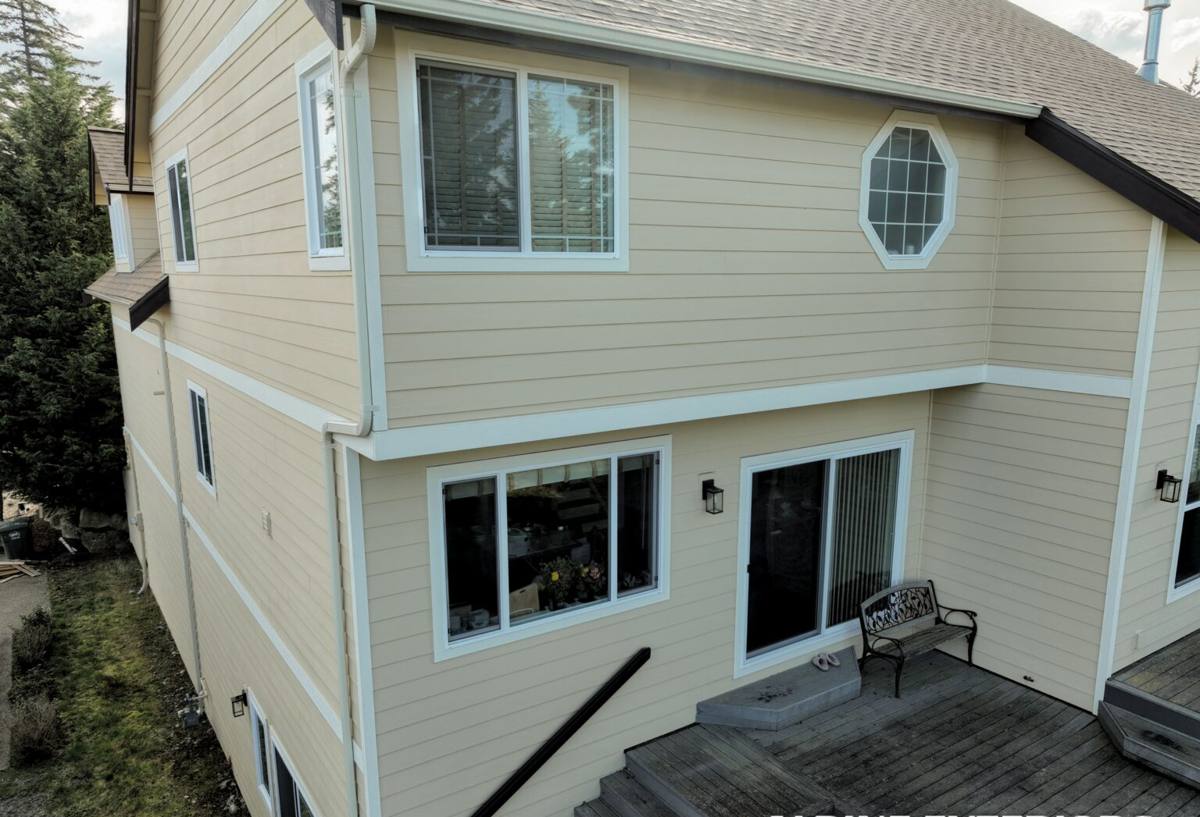
What Bellingham's Climate Does to a Deck
Salt Air and Metal Fatigue
Homes closer to the water deal with airborne salt that accelerates corrosion on anything metal — fasteners, joist hangers, railing brackets, even screw heads. Standard galvanized hardware can start showing rust streaks and pitting years before it should. Over time that weakens connections at exactly the points that hold the structure together.
Driving Rain
Whatcom County rain doesn't just fall straight down — wind-driven rain gets pushed sideways into ledger boards, under poorly flashed rim joists, and into any gap where end grain is exposed. A deck that's fine in a dry summer can develop rot at the ledger connection within a few wet seasons if that detail wasn't done right the first time.
Moss and Shade
Long moss season is a fact of life here, especially on decks shaded by trees or the north side of a house. Moss holds moisture against the decking surface, and moisture held against wood or composite boards for months at a time is what causes premature graying, staining, and — on lower-quality material — soft spots.
Material Choices We Actually Recommend
There's no single "right" decking material for every Bellingham project — it depends on budget, how much upkeep you want to do, and how shaded the site is. Here's how the common options actually perform under local conditions, in plain terms:
| Material | How It Handles Rain & Moss | Maintenance | Typical Lifespan Here |
|---|---|---|---|
| Pressure-treated fir/hem-fir | Needs sealing regularly or moss and mildew take hold fast | Annual cleaning, re-sealing every 1-3 years | 15-20 years with upkeep |
| Cedar | Naturally moisture- and insect-resistant, still needs finish maintenance | Cleaning and re-staining every 2-3 years | 20-25 years with upkeep |
| Capped composite | Sheds moisture well, resists moss staining better than wood | Periodic washing, no sealing/staining | 25-30+ years |
| Uncapped/older composite | Can absorb moisture at cut edges and fastener holes over time | Low, but edge sealing matters | Varies — we're selective here |
We lean toward cedar or capped composite for most Bellingham builds because they handle sustained damp weather with the least drama. Pressure-treated lumber is still a legitimate, budget-friendly choice for framing and for decking on sunnier, more exposed sites — it's just not our first recommendation for a shaded, moss-prone yard unless you're committed to the upkeep.
Fasteners and Hardware
Given the salt air issue, we use stainless steel or heavy-duty coated fasteners and hardware rated for coastal exposure rather than standard galvanized products, especially on any deck within a few miles of the bay. It costs a bit more up front and saves you from hardware failure down the line — that's the trade-off we'll always walk you through rather than cutting the corner quietly.
What a Correctly Built Deck Involves
The Ledger Connection
Where the deck attaches to the house is the single most important — and most commonly botched — detail on any deck. It needs proper flashing that directs water away from the house framing, not just a bead of caulk and a bolt pattern. We flash this connection so water sheds past it instead of pooling and working its way into the rim joist over time, which is exactly the kind of driving-rain failure point common in this climate.
Footings and Frost
Footings need to be set below frost depth and sized for the actual load of the deck, not guessed at. On sites with soft or wet soil — common on lower-lying Whatcom County lots — we also make sure footings aren't sitting somewhere that collects standing water, which can undermine them over years.
Joist Spacing and Board Gapping
Tighter joist spacing than the bare minimum gives decking less flex and a longer service life, especially under composite boards which can be less forgiving of underspec'd framing. Board gapping matters more here than in a dry climate — too tight and boards can't shed water and debris; too wide and it feels unfinished. We set gapping based on the specific material's expansion behavior in our wet-to-dry seasonal swing.
Surface Drainage and Slope
A deck surface should have a slight slope away from the house so water runs off instead of pooling near the ledger or against railing posts. On shaded decks especially, standing water is what feeds moss growth — getting the slope right at build time is a lot easier than fighting moss for the life of the deck.
Our Process for a Bellingham Deck Project
- On-site assessment — we look at sun/shade exposure, drainage, existing structure (for replacements), and how close the site is to the bay, since that affects hardware recommendations.
- Design and material walkthrough — we go over decking material, railing style, and layout, with honest trade-offs on cost versus long-term maintenance.
- Permitting — most new decks and many replacements need a permit through the applicable jurisdiction; we handle that paperwork as part of the job.
- Framing and ledger work — footings, framing, and the ledger flashing detail get done first and inspected before decking goes down.
- Decking and railing installation — boards, railing, and any stairs get installed with attention to gapping, slope, and fastener placement.
- Final walkthrough — we go over care instructions specific to the material you chose, including moss prevention if your site is shaded.
Why Hire a Crew That Already Works This Area
A deck built by a crew unfamiliar with Whatcom County conditions can still look good the day it's finished. The problems show up two or three wet seasons later — a ledger that wasn't flashed right, hardware that wasn't rated for salt exposure, or decking chosen without accounting for how shaded the yard actually gets. We work out of Lynden and build decks throughout Bellingham regularly, so these aren't theoretical concerns — they're the details we plan for on every job because we see what happens when they're skipped.
We're also familiar with the permitting expectations and typical site conditions in this part of the county, which keeps the project moving instead of stalling on paperwork or surprise soil issues.
Maintaining a Bellingham Deck Once It's Built
Whatever material you choose, a little seasonal attention goes a long way here. A simple maintenance routine:
- Sweep debris and standing leaves off the deck regularly through fall — trapped leaves hold moisture against the surface
- Clean moss and algae off with a deck-safe cleaner before it gets a foothold, rather than after it's established
- Check the ledger flashing and railing hardware once a year for any signs of water staining or rust
- Re-seal or re-stain wood decking on the schedule appropriate to the product — don't wait until it's visibly gray and dry
- Confirm gaps between boards haven't closed up or debris hasn't packed into them, which blocks drainage
- Keep nearby vegetation trimmed back so more sunlight and airflow reach shaded sections of the deck
Cost Factors Worth Understanding
Deck pricing varies a lot based on size, material, height off the ground, and site access, so we won't quote a number without seeing the site. What generally moves the price:
| Factor | Why It Matters |
|---|---|
| Decking material | Pressure-treated costs less upfront; composite costs more but needs far less upkeep |
| Height and stairs | Taller decks need more substantial framing and railing per code |
| Site access and slope | Difficult access or sloped, wet ground increases labor and footing work |
| Railing style | Cable, glass, and custom railing systems cost more than standard wood balusters |
| Hardware upgrade | Coastal-rated stainless fasteners cost more than standard galvanized |
We'll walk through these trade-offs honestly during the estimate so you can weigh upfront cost against what you'll spend on maintenance and repairs down the road.
Get a Free Estimate
If you're planning a new deck or need to replace one that's showing its age, we're happy to come take a look and talk through what makes sense for your specific site and budget. There's no pressure and no obligation — just an honest assessment from a crew that builds decks in this climate regularly. Use the form below to request a free estimate.