 Lynden Siding
 Deck Replacement in Blaine: Built for the Coast, Not Just the County
Blaine sits right on the water at the top of Whatcom County, and that location changes what a deck has to survive. Salt-laden air off the strait, driving rain that comes in sideways for weeks at a stretch, and a moss season that can run from October into May all put more stress on an outdoor deck here than in drier inland climates. A deck that would hold up fine in eastern Washington can start failing within a few years out here if it wasn't built with this environment in mind.
We work throughout Lynden and the surrounding Whatcom County communities, including Blaine, and we've seen firsthand how the coastal conditions accelerate wear on framing, fasteners, and decking surfaces. This page covers what deck replacement actually involves for a Blaine property, what to look for before you commit to a repair-versus-replace decision, and how we approach the job.
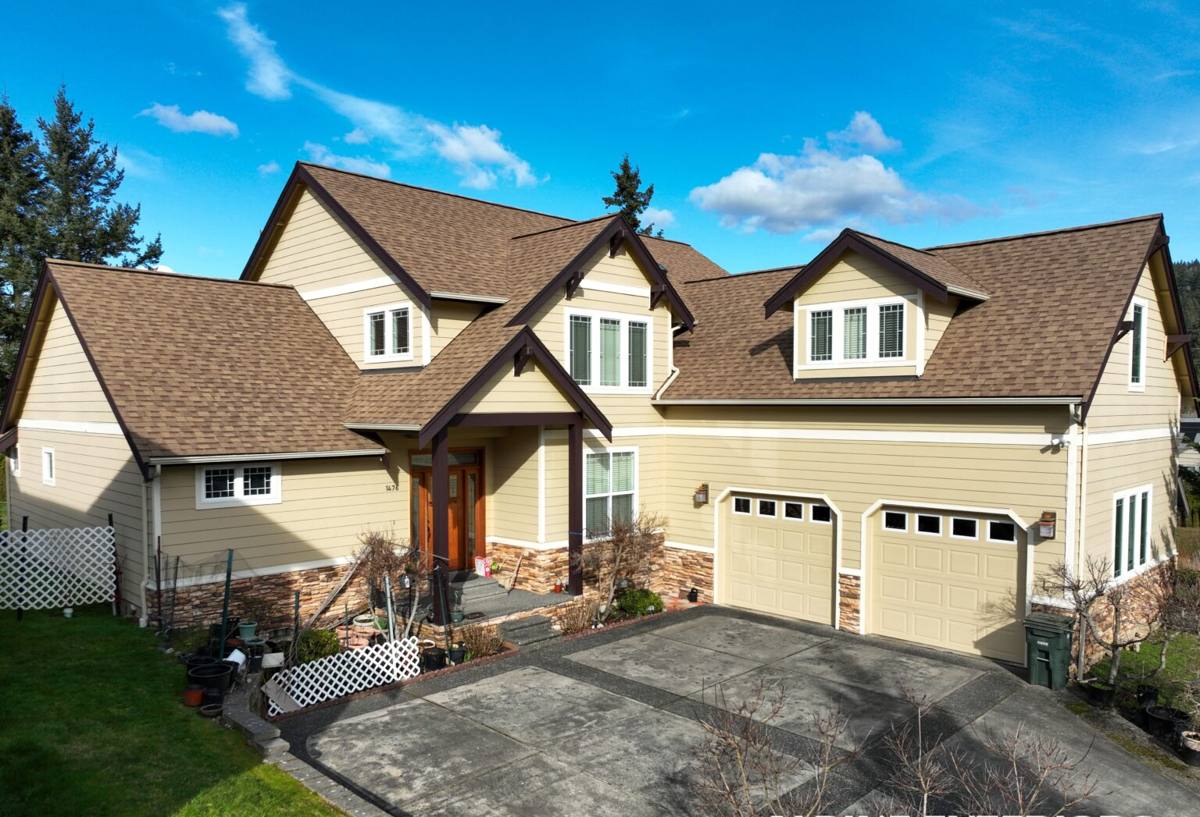
Why Decks Wear Out Faster Near Blaine
Three factors do most of the damage:
Salt Air
Airborne salt from the coast accelerates corrosion on any exposed metal — nails, screws, joist hangers, railing brackets. Once a fastener starts rusting, it loses holding strength long before it looks obviously bad. A deck can look structurally sound on the surface while the connections underneath are quietly failing.
Driving Rain
Whatcom County gets a lot of rain, but the wind that often comes with it near Blaine drives water sideways and up under boards, railings, and ledger connections. Standard drainage gaps and flashing details that work in calmer, drier areas aren't always enough here. Water finds its way into end grain, fastener holes, and any place where two materials meet.
Moss and Sustained Moisture
A long moss season means extended stretches where deck surfaces stay damp instead of drying out between rains. Moss holds moisture against the wood or composite surface, and on walking surfaces it also creates a slip hazard. Framing underneath a deck with poor airflow can stay wet for months, which is where rot gets started even if the surface boards still look okay.
Signs a Deck Needs Replacing, Not Just Repairing
Homeowners often call us about a soft board or a wobbly rail, and the real problem turns out to be bigger. Here's what tells us a deck is past the point of patching:
- Soft or spongy spots in the decking that give when you press on them
- Rust staining running down from fasteners or metal hardware
- Visible gaps or movement where the deck framing attaches to the house (the ledger board)
- Posts or support beams that show soft wood when probed with a screwdriver
- Persistent moss or algae that returns within weeks of cleaning
- Railings that flex or feel loose under normal pressure
- A deck more than 15-20 years old built with untreated or minimally treated lumber
- Multiple past repairs to the same sections of decking or framing
One or two of these on their own might mean a repair is enough. Several at once, especially anything involving the framing or ledger connection, usually means the deck has reached the end of its useful life and a full replacement is the more honest recommendation.
What a Correct Deck Replacement Involves
Structure First
The framing is what actually holds the deck up, and it's the part most homeowners never see. A correct replacement means checking or rebuilding the ledger connection to the house, sizing joists and beams properly for the deck's span and load, and using footings that are appropriately set for our soil and frost conditions. None of this shows once the decking is installed, but it's the difference between a deck that lasts and one that needs attention again in five years.
Fasteners and Hardware
Given the salt air around Blaine, we don't cut corners on hardware. Corrosion-resistant fasteners and structural connectors rated for coastal or high-moisture exposure cost more upfront than standard hardware, but standard hardware is exactly what fails first in this environment. This is one area where the cheaper option almost always turns into a callback.
Drainage and Airflow
A deck that can't shed water and breathe underneath will trap moisture no matter what surface material sits on top. Proper board spacing, ledger flashing, and clearance underneath the structure all matter more here than they would in a drier climate.
Railings and Stairs
Railings take direct weather exposure and get more physical stress than the deck surface itself — people lean on them, grab them on wet steps, and push against them. We build these to current code requirements for height and baluster spacing, with the same attention to fastener quality as the rest of the structure.
Choosing Decking Material for This Climate
There's no single "best" decking material — each one comes with real tradeoffs, and the right call depends on your budget, how much upkeep you want to do, and how long you plan to stay in the home.
| Material | Upfront Cost | Maintenance | How It Handles This Climate |
|---|---|---|---|
| Pressure-treated wood | Lowest | Annual cleaning and periodic sealing | Performs well if maintained consistently; neglect shows quickly in salt air and moss conditions |
| Cedar | Moderate | Regular sealing to hold color and resist moisture | Naturally rot-resistant but still needs upkeep against sustained dampness |
| Composite decking | Higher | Occasional washing, no sealing or staining | Resists rot and doesn't absorb moisture like wood; surface can still grow moss if not cleaned |
| PVC decking | Highest | Minimal — occasional washing | Fully resists moisture absorption and rot; best long-term option for consistently wet, salty conditions |
We install all of these depending on what a homeowner wants, and we'll walk through the honest tradeoffs for your specific deck rather than steering you toward whatever's easiest for us to install. If you want the lowest maintenance over the deck's lifespan, composite or PVC generally make more sense in a coastal Whatcom County location. If upfront cost matters more and you're willing to stay on top of sealing, wood is still a legitimate choice.
Our Deck Replacement Process
1. On-Site Assessment
We look at the existing deck's framing, ledger connection, posts, and footings, not just the surface boards. This tells us honestly whether repair is viable or replacement is the right call, and it's where we catch hidden rot or corrosion before it becomes a bigger problem mid-project.
2. Removal and Site Prep
Full removal of the old structure down to the footings, checking the ledger area on the house for any water damage that needs addressing before new framing goes up.
3. Framing and Structure
New framing sized correctly for the deck's footprint and use, with corrosion-resistant hardware throughout given the coastal exposure.
4. Decking, Railings, and Finish Work
Installation of your chosen decking material and railing system, with attention to proper drainage gaps and airflow underneath.
5. Final Walkthrough
We go over the completed deck with you, including basic maintenance guidance specific to the material you chose and this climate.
Why a Crew That Already Works Blaine Matters
Building a deck that lasts in this location isn't about following a generic set of instructions — it's about knowing which details actually matter here. A crew that regularly works Whatcom County's coastal communities already knows to spec corrosion-resistant hardware without being asked, understands how far moss will spread on a poorly drained deck within a single wet season, and has seen what happens when a ledger connection isn't flashed correctly against driving rain. That experience shows up in fewer callbacks and a deck that still looks and performs well a decade in, not just at the final walkthrough.
We also know the practical side of working in this area — permitting expectations, typical soil conditions for footings, and how local weather windows affect scheduling a deck build around the wetter months.
Maintaining Your New Deck
Whatever material you choose, a few habits go a long way in this climate:
- Sweep debris off the deck regularly so moisture and moss don't get trapped against the surface
- Clean the deck surface at least once or twice a year to stay ahead of moss and algae growth
- Check railings and stairs periodically for looseness, especially after storms
- For wood decking, keep up with sealing on the schedule recommended for the product
- Keep gutters and downspouts near the deck clear so runoff isn't draining directly onto or under it
A deck built correctly for this climate and maintained with basic upkeep should give you many years of reliable use before it needs attention again.
Get an Honest Look at Your Deck
If your deck in Blaine is showing signs of wear, or you're just not sure whether it needs a repair or a full replacement, we're happy to take a look and give you a straight answer. Request a free, no-pressure estimate using the form below.