 Lynden Siding
 Why Windows Take a Beating Out Near Nooksack
Homes along the Nooksack corridor near Lynden sit in a different microclimate than a lot of siding and window crews give credit for. You've got moisture moving in off the Strait and Bellingham Bay, low valley fog that settles in for days at a time, and a moss season that runs far longer here than it does east of the Cascades. Add in driving rain that comes sideways during winter storms, and window assemblies get tested in ways that a catalog spec sheet doesn't capture. Old aluminum-frame windows and worn wood sashes in this area tend to show it early: condensation between panes, sashes that won't seal square anymore, and frames that have started to soften at the corners.
None of that is unusual for a farmhouse or a rancher built a few decades back in Whatcom County. It's just what happens when a window that was fine when it was installed spends thirty-plus winters absorbing damp air and getting rattled by wind off open fields. The fix isn't complicated, but it does need to account for the specific conditions here rather than a generic "replace old windows" checklist.
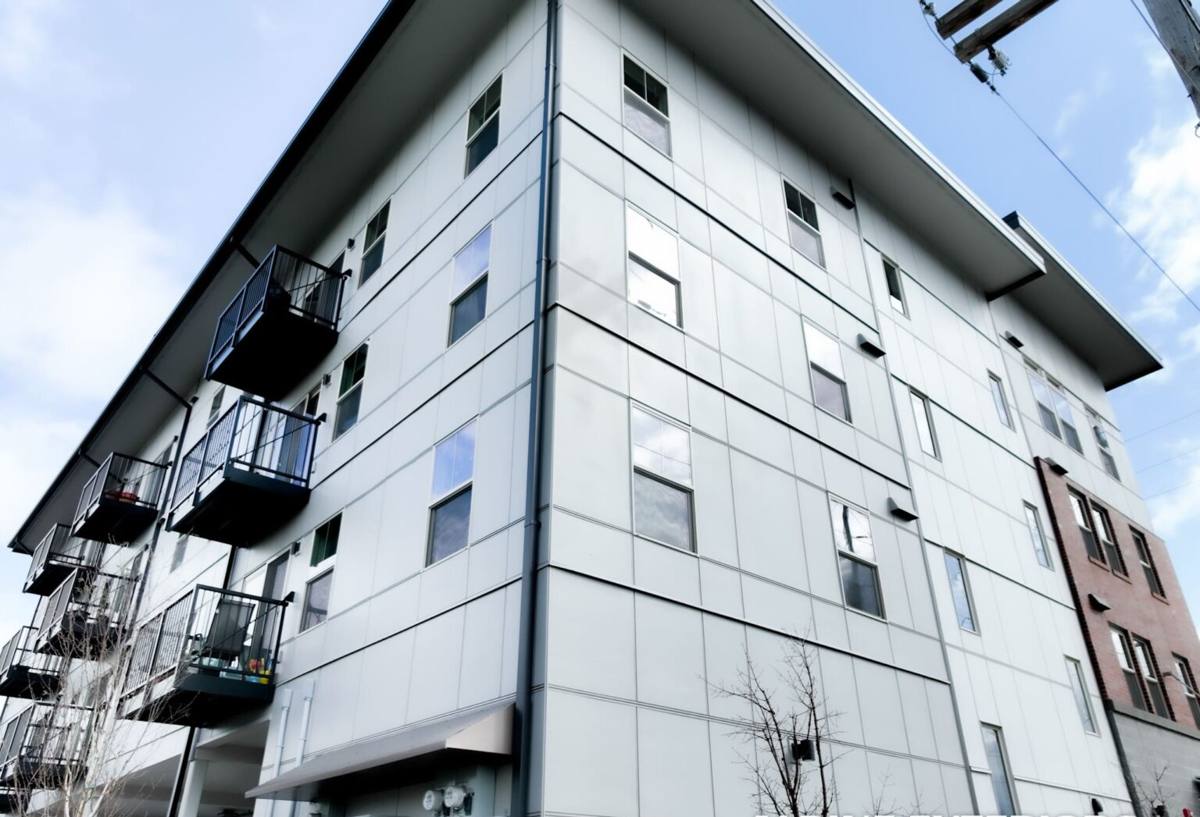
What Local Homes Actually Need From a Window Upgrade
Moisture Management Comes First
Before efficiency numbers matter at all, a window has to keep water out. In this part of Whatcom County, that means correct flashing integration with the wall assembly, a sill pan or sloped sill detail that sheds water forward instead of letting it pool, and sealant joints that are actually built to move with seasonal temperature and humidity swings instead of cracking after a couple winters. A window that's rated for a great U-factor but installed with a lazy flashing job will still rot the framing around it within a few years.
Then Real Thermal Performance
Once the water management is right, the glass and frame package should be matched to our climate — not the desert Southwest, not coastal California. That generally means double or triple-pane glass with a low-E coating, an inert gas fill (argon is standard, krypton in select tighter cavities), and a warm-edge spacer bar that resists conducting cold to the edge of the glass. In practice, that's what stops the cold "wall of air" feeling near an old window on a January morning and keeps heating bills from spiking every time the wind picks up.
Signs a Window Is Costing You More Than It Should
- Visible condensation or fog between panes — the seal has failed and the gas fill is gone
- Cold drafts you can feel with a hand near the frame on a windy day
- Sashes that stick, won't latch fully, or have visibly warped or swollen
- Paint or trim near the window that's peeling, staining, or feels soft to the touch
- Noticeably higher heating bills compared to similar-sized rooms elsewhere in the house
- Moss or dark streaking building up on the sill or exterior casing faster than on the rest of the wall
Any one of these by itself might just mean a caulk touch-up. Several together, especially on the side of the house that takes the worst weather, usually means the window assembly itself is done working and is starting to put the surrounding wall framing at risk.
Frame Materials — Honest Trade-Offs for This Climate
There's no single "best" frame material for every home. The right call depends on your siding type, your budget, and how much upkeep you want to take on. Here's how the common options actually perform in a wet, salt-air-influenced climate like ours:
| Frame Material | Moisture Behavior | Maintenance | Typical Cost Position |
|---|---|---|---|
| Vinyl | Won't rot or corrode; performs well in damp climates | Low — occasional cleaning | Most economical |
| Fiberglass | Excellent stability, resists expansion/contraction from humidity swings | Low | Mid to upper range |
| Wood (clad exterior) | Good if the exterior cladding is intact; interior wood still needs protection | Higher — cladding and seals need periodic inspection | Upper range |
| Aluminum | Conducts cold and can corrode near salt-influenced air over time | Moderate | Lower to mid |
We don't push one brand or material on every job. What we will tell you honestly is that solid vinyl and fiberglass frames tend to be the lower-maintenance, more forgiving choice for the kind of driving rain and long damp stretches this area sees. Wood-clad frames can look great and perform well, but they ask more of the homeowner over time — that's a trade-off worth going into with clear eyes, not a knock on the product.
What a Correct Installation Actually Involves
Removal and Inspection
Pulling the old window is when we find out what's really going on in the wall — soft framing, missing or degraded flashing, insulation that's gone damp. That inspection matters more here than in a dry climate, because moisture problems around old windows in Whatcom County homes don't always show themselves from the inside until they're advanced.
Flashing and Weatherproofing
Every new window gets proper flashing tape or a flashing pan integrated with the house's weather-resistive barrier, not just caulked around the edges. This is the single most important step for long-term performance and the one that gets skipped most often by crews trying to move fast.
Fit, Shim, and Seal
The window has to be plumb, level, and square before it's fastened — an out-of-square install stresses the sash and shortens the life of the seals. Low-expansion foam or backer rod and sealant fill the gap around the frame without bowing it out of shape.
Siding Integration
Because we work as a siding contractor first, we pay close attention to how the new window trim, casing, and flashing tie back into the surrounding siding. A window replacement that ignores this step is one of the most common causes of hidden water intrusion a few years down the road.
Our Process for a Nooksack-Area Window Project
- On-site assessment — we look at each window's condition, the wall assembly behind it, and how exposed that side of the house is to prevailing wind and rain.
- Product recommendation — we walk through frame material and glass package options honestly, including what fits your budget without overselling features you don't need.
- Written estimate — clear scope, materials, and timeline, no vague allowances.
- Installation — proper removal, flashing, fitting, and sealing, with daily cleanup so the site isn't left exposed overnight.
- Final walkthrough — we check operation, seals, and trim with you before calling the job done.
Why Hiring a Crew That Already Works This Area Matters
A window installer who mostly works drier inland climates can do fine work and still get the flashing details wrong for a home near the Nooksack River bottomland or exposed farmland outside Lynden. We size up how much weather a given wall actually takes — a north-facing wall catching wind off open fields is a different job than a sheltered wall under deep eaves — and we install accordingly. That's not a marketing line, it's just what fifteen-plus years of wet Whatcom County winters teaches a crew about where windows actually fail.
We also carry that same attention into how the window ties into your siding, since a mismatched or poorly flashed transition between the two is where most long-term leaks start. Homeowners who've had one contractor do the siding and a different one do the windows sometimes end up with a seam neither one takes responsibility for. Handling both under one crew closes that gap.
Maintaining Your New Windows
- Rinse frames and tracks a couple times a year to clear salt residue and organic buildup before it turns into moss or staining
- Check and re-bed exterior caulk joints every year or two — sealant is a wear item, not a one-time fix
- Keep gutters and downspouts clear so runoff isn't sheeting directly down over window heads
- Operate each sash a few times through the year so hardware doesn't seize from disuse in damp weather
- Address any soft trim or peeling paint near a window promptly — it's usually the first visible sign of a moisture path
What This Kind of Upgrade Typically Costs
Pricing depends on window count, size, frame material, and how much trim or siding repair is needed around each opening — we won't quote a number without seeing the house. In general terms, a straightforward vinyl replacement window runs toward the lower end of the market, fiberglass sits in the middle, and wood-clad units with custom sizing run highest. Homes with extensive rot repair needed around the openings will cost more than a simple swap regardless of window brand, since that repair work has to happen before a new window goes in correctly.
If your windows near Nooksack are drafty, fogged, or just past their useful life, we're happy to take a look and give you a straightforward, no-pressure estimate — use the form below to get started.