 Lynden Siding
 Windows Built for Wiser Lake's Weather, Not Just the Showroom
Wiser Lake sits in a part of Whatcom County that never really dries out. Between the marine air that moves in off the Salish Sea, the long stretch of driving rain that runs from fall through spring, and a moss season that seems to start earlier every year, windows here work harder than they do almost anywhere else in the state. A window that's rated fine on paper can still fail early if it wasn't installed with this specific climate in mind. Our job isn't just to swap old glass for new glass — it's to make sure the whole assembly, from the frame to the flashing to the seal, is built to hold up against what this area actually throws at a house.
This page is about one service, done right, in one area: energy-efficient window installation and replacement for homes around Wiser Lake. We're not going to give you a generic rundown of window brands. We're going to tell you what actually matters for a house in this part of Lynden, and what a correct installation looks like when the weather doesn't cooperate for most of the year.
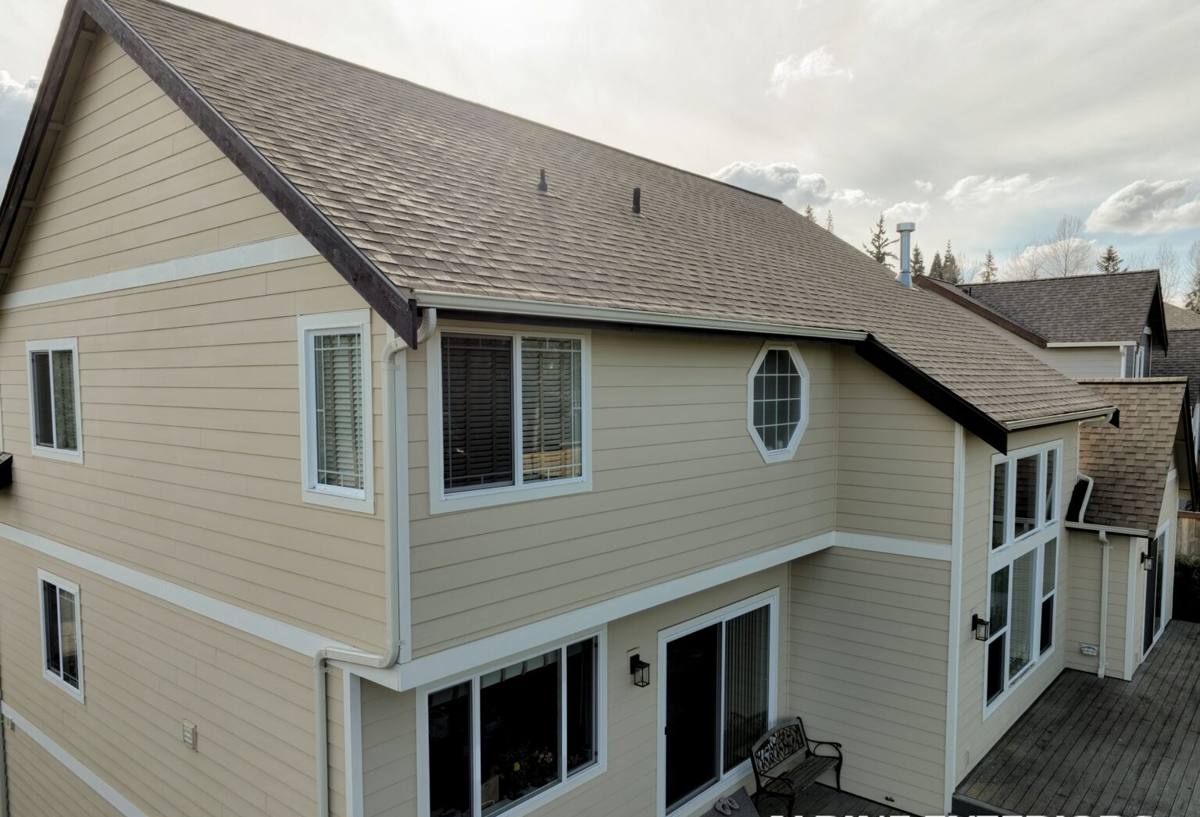
What Wiser Lake's Climate Actually Does to Windows
Homeowners often assume window failure comes down to the glass itself — fogging, cracking, that sort of thing. In our experience working this area, the bigger problem is almost always what's happening around the glass, not in it.
Moisture Intrusion
Whatcom County gets a lot of sideways rain, and Wiser Lake's open, low-lying setting means wind-driven moisture finds its way into gaps that a calmer climate might never test. Poorly flashed window openings let water track behind the trim and into the wall cavity, where it can sit for months before anyone notices a soft spot or a stain.
Moss and Organic Growth
The long damp season here supports moss and algae growth on more than just roofs. It settles into window sills, tracks, and any horizontal surface that stays wet. Left alone, it holds moisture against wood and vinyl surfaces and accelerates wear on seals and finishes.
Marine Air and Seal Fatigue
Air moving inland off the Salish Sea carries salt and moisture that can be harder on exterior hardware, gaskets, and weatherstripping over time than drier inland climates. Seals that are marginal to begin with tend to fail sooner here.
Temperature Swings
Whatcom County winters aren't extreme, but the combination of cold nights, damp air, and older single-pane or early-generation dual-pane glass is a reliable recipe for condensation, drafts, and higher heating bills in homes around the lake.
Signs a Wiser Lake Home Needs New Windows
Most homeowners don't think about their windows until something is obviously wrong. By then, the problem has often been developing for a while. Here's what we look for, and what you can check yourself:
- Visible fogging or moisture between panes — a sign the seal has already failed
- Soft or discolored wood at the sill or bottom corners of the frame
- Moss or dark green growth building up in the tracks or on the sill
- Noticeable draft near the frame even when the window is fully latched
- Difficulty opening, closing, or locking — often a sign the frame has shifted or swelled
- Higher-than-expected heating bills compared to similar homes nearby
- Paint or caulk that keeps cracking and peeling around the same window each year
Any one of these on its own might not mean much. Two or three together, especially on the sides of the house that take the brunt of the weather, usually means it's time to have someone look closer.
What "Energy-Efficient" Actually Means Here
Energy efficiency isn't a single feature — it's the combined result of glass, frame material, and installation quality. For a Wiser Lake home, we weigh these in a specific order of importance.
Glass Package
Dual-pane glass with a low-E coating and an argon or krypton gas fill is the baseline we recommend for this climate. The low-E coating helps keep heat inside during the cold, wet months without turning the house into a greenhouse during the handful of warm weeks Whatcom County gets each summer. For homes closer to the lake or facing prevailing wind, we'll sometimes recommend a warm-edge spacer system, which resists condensation better than older aluminum spacers.
Frame Material
Vinyl, fiberglass, and clad-wood frames all perform differently in a wet climate. Vinyl is a solid, low-maintenance option for most homes here. Fiberglass holds up well against the expansion and contraction that comes with our temperature swings and resists moisture-related warping. Wood-clad frames can look great, but the cladding has to be detailed correctly at every joint, or moisture will find the seam over time — that's a maintenance trade-off worth discussing honestly before you commit to it.
Installation Detail
The best glass and frame in the world won't perform if the opening isn't flashed and sealed correctly. This is the step that gets rushed on a lot of jobs, and it's the one that matters most in a climate like this one.
| Factor | Why It Matters in Wiser Lake |
|---|---|
| Low-E coated, argon-filled glass | Reduces heat loss during the long wet, cool season without overheating in summer |
| Warm-edge spacer system | Cuts down on interior condensation during cold, damp stretches |
| Frame material choice | Determines long-term resistance to moisture, swelling, and maintenance needs |
| Flashing and sealing detail | Prevents wind-driven rain from tracking behind the trim into the wall |
| Sill and track design | Affects how well the window sheds water and resists moss buildup |
How We Handle a Window Installation in This Area
We approach every window job around Wiser Lake with the assumption that the house will see heavy, driving rain at some point in the near future — because it will. That shapes how we sequence the work.
1. Assessment
We start by looking at the existing opening, not just the window itself. Soft wood, past water staining, or signs of prior moisture intrusion change how we approach the install and may point to repairs needed before the new window goes in.
2. Removal Without Collateral Damage
Old windows come out carefully to avoid tearing up siding or trim that doesn't need to be replaced. If we find hidden rot or damage once the old window is out, we'll show you before covering anything up.
3. Flashing and Weather Barrier Integration
This is the step we don't shortcut. The window opening gets properly flashed and tied into the existing weather-resistive barrier so water is directed out and away from the wall assembly, not trapped behind it. Given how much wind-driven rain this area sees, this step is arguably more important than the window itself.
4. Setting, Shimming, and Sealing
The window is set level and plumb, shimmed correctly so it won't bind or sag over time, and sealed with the right products for our climate — not just whatever caulk happens to be on the truck.
5. Interior and Exterior Finish
Trim, caulking, and paint or stain get finished to match the rest of the house, and we walk the job with you before we call it done.
Repair, Restoration, or Full Replacement?
Not every window on a Wiser Lake home needs to be replaced. Sometimes a failed seal, a worn weatherstrip, or a sticking sash is a repair, not a replacement. We'll always tell you honestly which category your windows fall into.
- Repair makes sense when the frame is sound and the issue is isolated — a broken seal, damaged hardware, or a cracked pane in an otherwise good window.
- Restoration can extend the life of quality older windows, particularly wood units, when the frame is still structurally solid but finishes and seals have worn out.
- Full replacement is the right call when there's frame rot, chronic moisture intrusion, failed seals across multiple panes, or when the ongoing energy loss outweighs the cost of new units.
Why Local Installation Experience Matters
A window installer who mostly works drier climates east of the mountains isn't necessarily thinking about wind-driven rain and moss when they detail an opening — because in their day-to-day work, it doesn't come up as often. Crews that work Whatcom County regularly, including areas around Wiser Lake and greater Lynden, tend to default to flashing and sealing details built for exactly this kind of weather, because that's what the local building conditions demand every time.
Local experience also means knowing which manufacturers back their products with warranties that actually hold up under this area's moisture exposure, and which installation details tend to fail first when a house sits close to open water and takes wind from multiple directions. That's not something you can get from a spec sheet — it comes from doing the work here, season after season.
A Straightforward Look at Cost Factors
We won't quote a number without seeing the job, but here's what typically moves the price up or down on a window project in this area:
| Factor | Effect on Cost |
|---|---|
| Number and size of windows | More or larger openings increase material and labor |
| Frame material (vinyl vs. fiberglass vs. clad-wood) | Vinyl is typically the most economical; fiberglass and clad-wood cost more upfront |
| Existing water or rot damage | Hidden repairs found during removal add cost but prevent bigger problems later |
| Glass upgrades (extra low-E coating, gas fill type) | Modest cost increase for meaningfully better performance in our climate |
| Trim and finish work | Matching existing trim profiles or repainting adds labor time |
Maintaining Your Windows Once They're In
New windows still need some seasonal attention in a climate like ours. A few habits go a long way toward protecting the investment:
- Clear moss and debris from sills and tracks a couple of times a year, especially heading into fall
- Check weep holes on vinyl and fiberglass frames to make sure they're not blocked and can drain properly
- Inspect exterior caulking annually and have any cracked or separated sections resealed before winter rains set in
- Wipe down interior sills after heavy condensation events to prevent long-term moisture damage
If your windows around Wiser Lake are drafty, fogged, showing early signs of moisture damage, or you're simply planning ahead for a home that stands up to another Whatcom County winter, we're glad to take a look. We offer free, no-pressure estimates — no obligation, just an honest read on what your home actually needs. The form below is the easiest way to get started.