 Lynden Siding
 Custom Windows Built for Everson's Weather, Not Just the Showroom
Everson sits in a part of Whatcom County where the weather does more work on a house than most homeowners realize. Storms roll in off the water and push rain sideways for days at a stretch, salt-tinged air rides in on the wind and settles into anything with an exposed seam, and the moss season here doesn't really end — it just changes intensity. Windows take the brunt of all three. A window opening is a hole cut into the exterior wall, and every seal, flashing detail, and drainage path around it is the only thing standing between that weather and your framing, insulation, and drywall.
A generic window install — the kind that treats every house the same regardless of climate — tends to fail quietly over years, not dramatically overnight. Seals soften, sills trap water instead of shedding it, and by the time a homeowner notices soft trim or a musty smell near a window, the damage is already inside the wall. Custom window work for an Everson home means sizing, flashing, and sealing decisions that account for the specific way wind-driven rain and moss actually hit this part of the county, not a one-size install pulled from a national playbook.
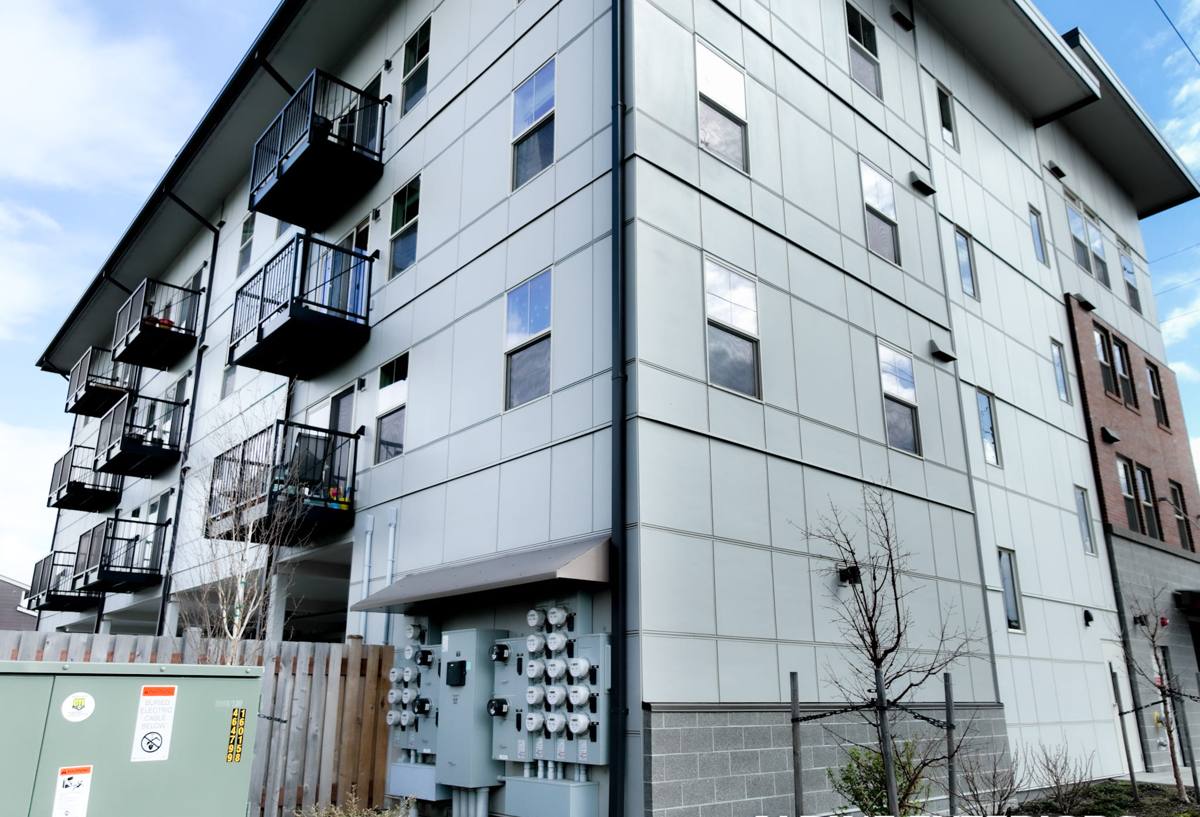
What Driving Rain, Moss, and Salt Air Do to Windows Over Time
Moisture is the enemy of every window assembly, and Whatcom County gives it plenty of chances to get in. Driving rain doesn't just fall on glass — it gets pushed sideways and upward under sashes, behind trim, and into any gap where the original flashing has aged or was never done correctly. Moss and algae hold that moisture against wood and vinyl surfaces longer than open air ever would, which is why sills and lower sashes on shaded or north-facing walls tend to fail years before the rest of the window. Salt-laden air moving inland accelerates corrosion on hardware, screws, and metal flashing that isn't rated for it, which shows up as pitting, staining, and eventually hardware that won't latch cleanly.
Signs a Window Has Passed Its Service Life
- Fogging or a permanent haze between panes — the sealed gas fill has failed and can't be repaired, only replaced
- Soft, spongy, or darkened wood at the sill or bottom corners of the frame
- Visible daylight or a noticeable draft along the sash when the window is closed and locked
- Paint that keeps failing in the same spot no matter how often it's touched up
- Moss or dark streaking that returns within a season of being cleaned off
- Hardware that's stiff, corroded, or won't latch tight anymore
None of these show up overnight. They build slowly, which is exactly why a window that "still opens fine" can already be letting moisture into the wall cavity behind it.
What a Correct Window Installation Actually Involves
Swapping the glass unit is the easy part. The work that actually determines whether a window lasts fifteen years or forty happens in steps most homeowners never see once the trim goes back on.
Removal and Rough Opening Prep
Old sashes, frames, and any failed flashing or rotted framing members come out first. This is the point where hidden water damage from a prior bad install often shows up, and it needs to be addressed — replacing rot, not building a new window on top of it — before anything new goes in.
Water Management and Flashing
This is the step that matters most in this climate. A correctly flashed opening uses a sloped sill pan so any water that gets past the window has somewhere to go besides straight down into the wall, plus properly lapped flashing tape integrated with the house wrap so water sheds outward and downward at every layer, the way shingles do on a roof. Skipping or shortcutting this step is the single biggest reason windows leak years after installation, and it's invisible once the trim is back on — which is exactly why it has to be done right the first time.
Air Sealing and Insulation
The gap between the window frame and the rough opening gets sealed with low-expansion foam or backer rod and sealant — not stuffed with fiberglass insulation alone, which does nothing to stop air movement. Proper sealing here is what keeps drafts out and keeps energy bills from creeping up room by room.
Interior and Exterior Finish Work
Exterior trim gets caulked and sealed with a product rated for exterior exposure, and interior trim gets reset cleanly. On older Everson homes with wood trim, this is also the point where matching existing profiles and paint lines matters for the finished look.
Choosing the Right Window Material for This Climate
There's no single "best" window material — there's a best fit for your home's exposure, budget, and how much upkeep you want to take on. Here's how the common options actually compare for a wet, wind-exposed climate like this one.
| Material | Moisture Resistance | Maintenance | Typical Lifespan |
|---|---|---|---|
| Vinyl | Good — won't rot, minor expansion/contraction with temperature swings | Low — occasional cleaning, no painting | 20–30 years |
| Fiberglass | Very good — dimensionally stable, holds paint and seals well | Low to moderate | 30–40+ years |
| Wood (clad exterior) | Depends heavily on the cladding and flashing quality | Higher — interior wood, exterior cladding upkeep | Varies widely with maintenance |
| Aluminum | Weak in this climate — conducts cold, prone to condensation | Low | Shorter effective lifespan here |
For most Everson homes we see, vinyl or fiberglass hold up the best against the combination of driving rain, temperature swings, and salt-influenced air without asking for constant upkeep. Solid wood exteriors can look great, but only when the cladding, paint schedule, and flashing are kept up with — otherwise they're the first to show rot in this climate. We'll walk through the honest trade-offs for your specific exposure rather than push one material across the board.
Glazing and Energy Efficiency: What Actually Matters
Beyond frame material, the glass package is what drives both comfort and energy cost. Double-pane windows with a Low-E coating and argon gas fill are the standard baseline for this region and meet Washington's energy code requirements. Triple-pane adds another layer of insulation and can help with sound and comfort near a busier road or a north-facing wall that never gets sun, but it comes at added weight and cost, and for most single-family homes here double-pane with a good Low-E coating covers the real-world difference in comfort and heating bills. Condensation on the inside face of glass in winter is usually a humidity and ventilation issue in the home, not a sign the window itself is failing — but condensation trapped between the panes means the seal is gone and the unit needs replacing, not just cleaning.
Cost Factors Worth Understanding Before You Get a Quote
Two houses with the same number of windows can land at very different price points depending on a handful of factors. Knowing these ahead of time makes it easier to compare quotes apples-to-apples.
| Factor | Typical Cost Impact |
|---|---|
| Frame material (vinyl vs. fiberglass vs. wood-clad) | Low to High |
| Glazing package (double vs. triple pane, coatings) | Medium |
| Number and size of openings | Scales directly with project |
| Second-story or difficult access | Medium |
| Hidden rot or framing repair discovered at removal | Variable — depends on extent |
| Custom sizing or non-standard shapes | Medium to High |
| Trim replacement and paint matching | Low to Medium |
The most common surprise on older Everson homes is hidden rot found once the old window comes out. We flag this possibility during the estimate and always show you what we find before proceeding, rather than assuming and adding it to the bill afterward.
Our Process, Start to Finish
- Free on-site assessment — we look at each opening, note existing flashing and any signs of prior water intrusion, and talk through material and glazing options for your specific exposure.
- Measurement and product selection — exact sizing for custom or replacement units, matched to your home's existing openings and trim style.
- Permit handling — if the scope requires a permit, we handle the paperwork and inspections.
- Removal and inspection — old units come out and the rough opening gets checked for hidden damage before anything new goes in.
- Flashing, sealing, and setting the new window — the water-management details described above, done in sequence, not skipped for speed.
- Insulation and air sealing — the gap between frame and opening sealed properly, inside and out.
- Trim and finish work — interior and exterior trim reset or replaced to match.
- Final walkthrough — every window operated, checked, and cleaned before we consider the job done.
Permits and Code Considerations for Everson-Area Homes
Window replacement in Washington generally falls under the state energy code, which sets minimum performance requirements for U-factor on new units — this is one reason a like-for-like swap with a modern window often improves comfort even without changing the opening size. Bedroom windows also have egress requirements around minimum opening size and sill height, which matters if you're replacing an older window that predates current code or changing the window style during a remodel. Depending on the scope of work and the jurisdiction handling your permit, some straightforward replacements are exempt while structural changes or new openings require a permit and inspection. We sort out what applies to your specific project during the estimate so there are no surprises mid-job.
Maintenance Checklist to Protect the Investment
A properly installed window still needs a small amount of upkeep to get its full lifespan out of this climate. None of this is heavy work, but skipping it for years is how small issues turn into wall damage.
- Clear weep holes on the exterior sill track at least once a year so water can drain instead of pooling
- Remove moss or algae buildup near frames and sills as soon as it appears, rather than letting it sit through a wet season
- Check exterior caulking annually, especially on sun-exposed or wind-facing walls where it degrades fastest
- Watch for condensation forming between panes — that's a seal failure, not a cleaning issue, and won't resolve on its own
- Make sure gutters and downspouts are actually diverting water away from window heads, not dumping it down the wall
- Repaint or reseal exposed wood trim before the wet season starts, not after it's already showing wear
- Operate every window at least seasonally so hardware doesn't seize from disuse
Why Hire a Crew That Already Works in Everson
Window work in this part of Whatcom County isn't the same job as window work in a dry inland climate, and it isn't the same job on a newer build as it is on an older farmhouse-era home with settled framing and non-standard opening sizes. A crew that regularly works in and around Everson has already seen how the local housing stock was built, what kind of flashing (or lack of it) tends to show up when older windows come out, and how to sequence outdoor work around a weather pattern that can turn on short notice. That local familiarity shows up in fewer surprises mid-project, faster accurate quotes, and a finished install that's actually built for what this climate does to a house year after year — not a generic install repeated the same way everywhere. It also means someone local stands behind the work if a question comes up down the road, rather than a crew that did one job in the area and moved on.
If you're weighing a window replacement or planning custom windows for a remodel in Everson, we're happy to take a look and give you a straightforward, no-pressure estimate — including an honest read on what your specific openings need before we ever talk product. Use the form below to get started.