 Lynden Siding
 Windows Built for Everson's Weather, Not Just Its Views
Everson sits in the Nooksack River valley, close enough to the water and the coastal weather patterns that roll through Whatcom County to take real wear on a home's exterior. Homes here deal with a long wet season, driving rain that comes in sideways during winter storms, and enough sustained moisture to grow moss on anything that holds shade and water for too long. Windows are one of the first places that shows up. A window that isn't sealed, flashed, and installed correctly doesn't fail all at once — it fails slowly, one wet winter at a time, until you've got soft trim, fogged glass, or a drafty room you've learned to just avoid.
We install windows for homes in and around Everson and Lynden because we work this ground regularly, not as a one-off job between other regions. That matters more than it sounds like it should. A crew that knows how Whatcom County weather behaves against a wall assembly makes different decisions on flashing details, sealant choice, and sill design than a crew installing the same window in a dry climate.
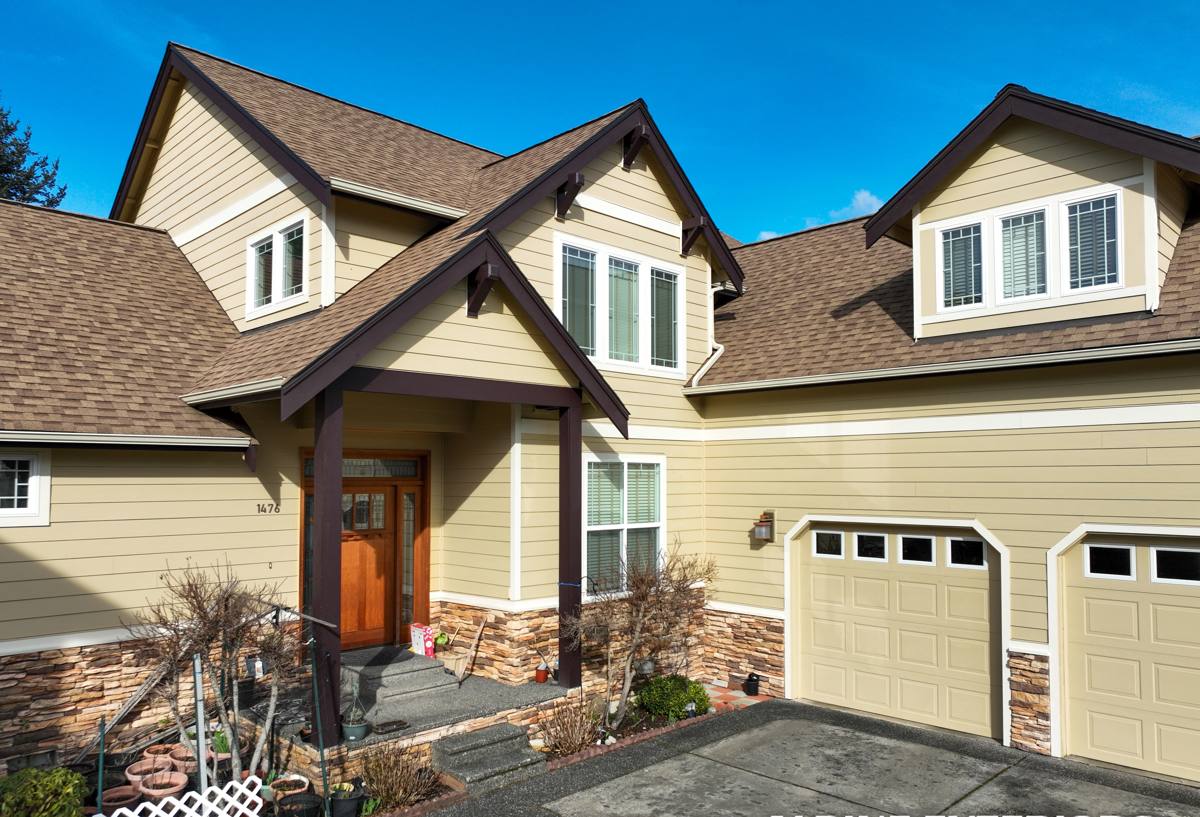
What Everson Homes Actually Need From a Window Installation
The climate here isn't extreme in the way that hurricane or wildfire-prone regions are, but it is relentless. Rain falls often, in smaller and larger amounts, across many months of the year, and homes near the river valley and open farmland can also see steady wind that pushes moisture into any gap that exists. That combination — persistent moisture plus wind-driven rain — means a window installation has to get three things right every single time:
- Correct water-shedding order at the rough opening (house wrap, flashing tape, and window flange layered so water always drains outward and down, never behind the siding)
- A sill pan or sloped sill detail that gives any water that does get past the exterior a way out, instead of a place to sit
- Sealant and caulking that's rated for the temperature swings and UV exposure of this region, applied at the right points — not everywhere, since over-sealing a window can trap moisture instead of releasing it
Skip any one of these and the window itself can be a perfectly good product and still lead to rot, mold, or interior water staining within a few years.
Moss and Shaded Wall Sections
A lot of Everson properties have tree cover, fencing, or home orientation that keeps parts of the exterior shaded and damp for long stretches, especially through fall and winter. Moss doesn't just grow on roofs — it takes hold in window trim, sill corners, and anywhere caulking has started to crack and hold moisture. Once moss gets a foothold in a window's wood trim or casing, it holds water against that surface constantly, which accelerates rot. Part of doing this job right in this area is choosing trim materials and sealant details that resist that buildup, and installing with clean, tight lines that don't give moss anything to grip.
Signs an Everson Home Needs New Windows, Not Just Repairs
Not every drafty or foggy window needs full replacement, but there are signs that repair is just delaying the real fix:
- Fogging or condensation between the panes of a double-pane window — the seal has failed and can't be repaired, only replaced
- Soft or spongy wood at the sill or corners of the trim when pressed
- Visible daylight or a noticeable draft around the frame when it's windy
- Windows that are difficult to open, close, or lock — often a sign the frame has shifted or swollen from moisture
- Paint or caulking that keeps failing in the same spot no matter how often it's touched up
- Noticeably higher heating bills in winter with no other explanation
If you're seeing more than one of these on the same window, that's usually the tipping point where replacement costs less over time than continuing to patch it.
Our Window Installation Process
1. On-Site Assessment
We start by looking at the actual condition of each opening — not just the window itself, but the framing, sill, and siding around it. In this climate, hidden water damage around a window is common even when the glass and frame look fine from inside. We check for soft wood, past water staining, and how the existing flashing was done, because that tells us what we're actually working with.
2. Product Selection
We walk through window options based on your home's exposure, your budget, and how much maintenance you want to take on long-term. A window on a south or west-facing wall that takes direct wind-driven rain often calls for different material and glazing choices than a sheltered window on the lee side of the house.
3. Removal and Opening Prep
Old windows come out carefully to avoid damaging the surrounding siding and trim more than necessary. We inspect the opening at this stage for any rot or water intrusion that needs to be addressed before a new window goes in — installing a new window into a compromised opening just hides a problem instead of fixing it.
4. Flashing and Weatherproofing
This is the step that determines whether the installation holds up through Whatcom County winters. We build the water management layers in the correct order — sill pan, flashing tape, house wrap integration — so the assembly sheds water the way it's supposed to, every time it rains, for the life of the window.
5. Installation and Sealing
The window is set, leveled, shimmed, and fastened according to the manufacturer's specifications, then sealed at the appropriate points. We don't caulk indiscriminately — the goal is a weathertight seal that still lets any trapped moisture escape rather than get sealed in.
6. Final Check and Cleanup
We test operation, check the seal, and walk the job site clean before we consider it done.
Window Types We Install and How They Handle This Climate
| Window Type | Best Suited For | Climate Consideration |
|---|---|---|
| Vinyl | Most homes, budget-conscious replacements | Low maintenance, resists moisture well, doesn't need repainting |
| Fiberglass | High-exposure walls, longer-term investment | Very stable in temperature swings, holds paint and seals well over time |
| Wood-clad | Homes prioritizing a traditional look | Needs consistent maintenance in this rainfall pattern — exterior cladding protects the wood core, but caulking and finish upkeep matter more |
| Aluminum | Specific architectural or budget cases | Conducts cold and can condensate more in our damp winters unless thermally broken |
We'll talk through the honest trade-offs for your specific home rather than pushing one product line. Some homeowners want the lowest-maintenance option available; others are matching an existing look and are willing to keep up with maintenance for it. Both are reasonable choices as long as you know what you're signing up for.
Why Hiring a Crew That Already Works Everson and Lynden Matters
Window installation done wrong is expensive to find out about — usually a year or two later, when water has already gotten behind the siding. A crew that works this specific part of Whatcom County regularly has already seen how local wall assemblies, siding types, and older home construction methods in this area respond to our rain and wind patterns. That experience shows up in small decisions: how much flashing overlap to use, where to break a sealant bead so water can still escape, how to detail an opening on an older farmhouse-style home versus a newer build.
We're not traveling in from out of the area to do this job once — we're a Lynden-based crew that works Everson, Lynden, and the surrounding Whatcom County communities on an ongoing basis, which means we're accountable to the work we leave behind.
What a Window Installation Typically Involves Cost-Wise
Costs vary based on window count, size, material, and how much of the surrounding trim or siding needs attention during the swap. Broadly, homeowners in this area should expect a range depending on whether it's a single window replacement or a whole-house project, and whether the openings need extra water-damage repair before the new windows go in. We'll give you a clear, itemized number after we've actually looked at your home — not a phone estimate based on guesswork, since the condition of the existing opening affects the price as much as the window itself does.
Maintaining New Windows Through Whatcom County Winters
A correctly installed window still benefits from basic upkeep in this climate:
- Check and clean weep holes (the small drainage openings on vinyl and some fiberglass frames) each fall so they aren't blocked by debris going into the wet season
- Inspect exterior caulking annually and touch up any cracked or peeling sections before winter rains start
- Keep nearby vegetation trimmed back so window trim gets airflow and isn't sitting in constant shade and moisture
- Wipe down interior sills periodically in winter if you notice condensation, which is common in cold snaps and isn't usually a sign of a failed window
If you're in Everson, Lynden, or anywhere nearby in Whatcom County and dealing with drafty, foggy, or failing windows, we're happy to take a look and give you a straightforward, no-pressure estimate — just fill out the form below and we'll get in touch.