 Lynden Siding
 Window Replacement Built for the Nooksack Area, Not a Catalog
Nooksack sits in the Nooksack River valley, surrounded by farmland and close enough to the water and the foothills that homes here take a steady beating from Pacific Northwest weather. Windows installed without that in mind — even good windows — tend to fail early. We've replaced enough of them in this part of Whatcom County to know the difference between a window that's just "new" and one that's actually set up to survive here.
This page is about one job in one area: window replacement for houses in and around Nooksack. Not a general product pitch, not a county-wide overview — what your windows are actually up against, what a correct replacement looks like, and how we run the job from estimate to walkthrough.
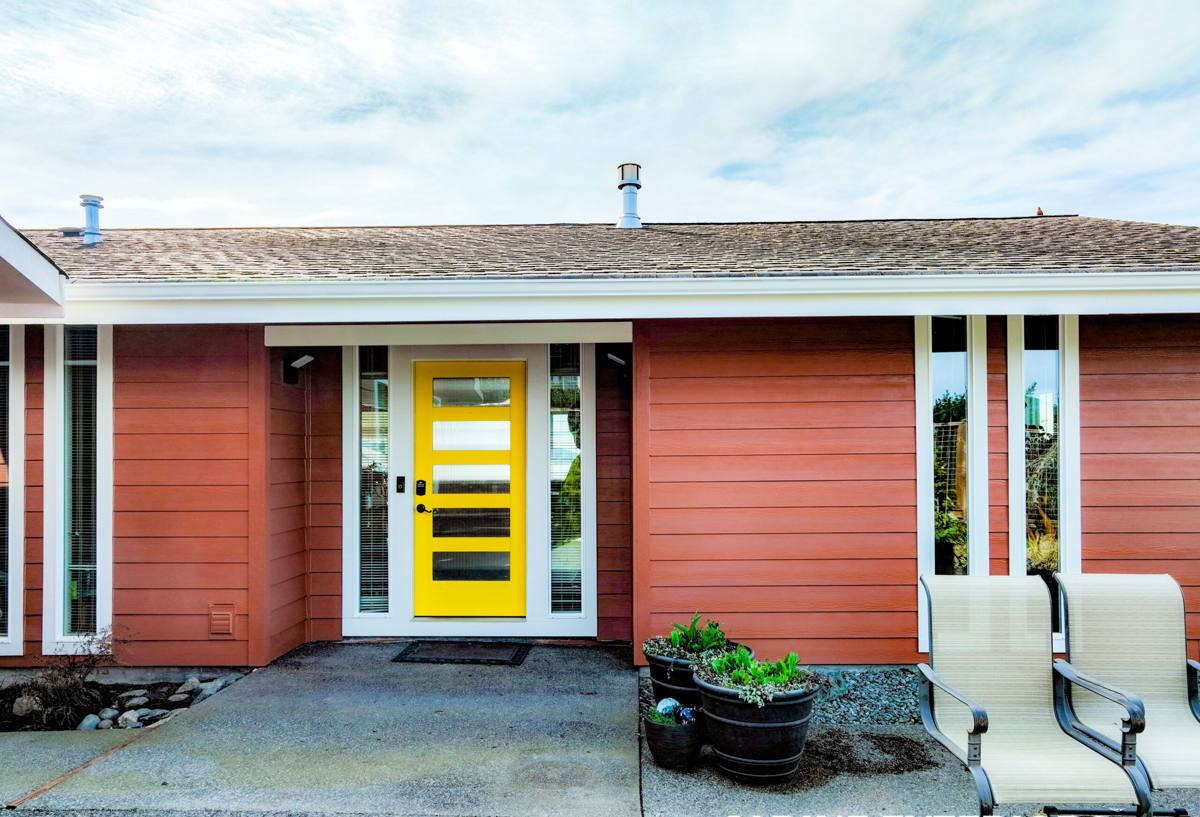
What Whatcom County's Climate Does to Windows Over Time
Three things drive most of the window failures we see out here: salt-tinged marine air moving through the county, long stretches of driving rain, and a moss season that can run most of the year in shaded spots. None of these show up as a dramatic failure right away. They work slowly, at the seams.
- Driving rain pushed by wind doesn't just wet the glass — it forces water sideways and upward into any gap in the flashing or trim, which is why leaks so often show up at the top corners of a window, not the sill.
- Salt-influenced moisture in the air accelerates corrosion on cheaper hardware, fasteners, and unprotected metal flashing, so a window that would last two decades somewhere drier can develop stuck locks or rusted anchors well before that here.
- Moss and algae thrive on the constant damp, and once they establish on a sill, trim board, or the siding around a window, they hold moisture against wood and caulk far longer than plain rain would on its own — which speeds up rot you can't see from inside.
None of this means Nooksack is a bad place to own windows. It means the installation details that get skipped elsewhere — flashing, sealant choice, drainage — aren't optional here. They're the whole job.
Signs a Nooksack Home Is Due for Window Replacement
Most homeowners call us for one of a handful of reasons. If more than one of these applies to your house, it's worth a look even if nothing seems urgent yet.
- Condensation or fogging between the panes — the seal has failed and the insulating gas is gone
- Soft, discolored, or spongy wood trim around the frame, especially on the sides that face prevailing weather
- Windows that are hard to open, won't stay up, or have locks that no longer line up cleanly
- A draft you can feel with your hand held near the frame on a windy day
- Visible moss, black staining, or a musty smell near the window when it rains
- Single-pane or original builder-grade windows that have never been upgraded
What a Correct Window Replacement Job Actually Involves
Removal and Inspection
The old window comes out carefully so we can see the actual condition of the framing underneath — not just what the trim looks like from outside. This is the point where hidden rot, old flashing mistakes, or moisture damage from a previous install get found. On a lot of Nooksack homes, this is also where we find out a leak that seemed minor from inside was doing real damage to the sheathing for years.
Flashing and Moisture Management
This is the step that determines whether the new window lasts. Every opening gets proper flashing tape and a drainage path so any water that does get past the exterior has somewhere to go besides your wall framing. Given how much driving rain this area sees, we don't treat this as a shortcut step — it's the difference between a window that's dry in year one and one that's still dry in year fifteen.
Air Sealing and Insulation
Gaps around the frame get sealed and insulated correctly — not just caulked shut on the outside, which traps moisture rather than managing it. Proper air sealing also cuts down on drafts and helps with heating costs through the wetter, colder months.
Product Selection and Final Fit
We match the window to the opening and the exposure, not just to a catalog size. A window on a wall that takes the brunt of the weather may warrant a different glass package or frame material than one on a sheltered side of the same house.
Frame Materials and Glass: What Actually Matters Here
| Option | How It Holds Up in Nooksack's Climate | Trade-Off to Know |
|---|---|---|
| Vinyl | Good moisture resistance, low maintenance, handles temperature swings well | Lower-end vinyl can warp or fade with UV and time; quality varies a lot by manufacturer |
| Fiberglass | Very stable in wet, shifting weather; resists warping and expansion | Higher upfront cost than vinyl |
| Wood (clad or unclad) | Classic look; clad versions protect the exterior face from moisture | Unclad wood needs regular upkeep to resist rot in this much rain — we're upfront about that maintenance burden before you commit |
| Aluminum | Strong and slim-profile | Poor insulator on its own and prone to condensation unless thermally broken — we don't recommend it without that feature |
| Double-pane, standard gas fill | Solid baseline performance | Fine for most rooms; not the best choice for a wall that takes constant wind-driven rain |
| Double or triple-pane, upgraded seal/gas fill | Better long-term seal integrity against the moisture load here | Added cost — worth discussing room by room rather than assuming every window needs the upgrade |
We don't push one brand or one frame material as the answer for every house. What we do is tell you honestly which option fits your specific opening, your budget, and how much maintenance you actually want to sign up for. If a product has a real drawback — a warranty structure that doesn't cover what you'd expect, or upkeep most homeowners underestimate — we'll say so before you buy, not after.
What Windows Like This Generally Cost
Every house and every opening is different, so we're not going to hand you a fake per-window number that doesn't hold up once we see your house. In general, cost moves with a few clear factors:
| Factor | Why It Changes the Price |
|---|---|
| Frame material | Vinyl is typically the entry point; fiberglass and clad wood cost more upfront |
| Glass package | Upgraded seals and gas fills add cost but pay off on exposed walls |
| Opening condition | Hidden rot or old flashing problems found during removal add labor to fix properly before the new window goes in |
| Number and size of windows | Whole-house jobs typically run a lower per-window cost than one-off replacements |
| Trim and exterior finish work | Matching existing trim or siding around the opening adds time and material |
We give real numbers after we've actually looked at your windows — not before.
How We Run the Job
- On-site assessment. We look at every window you're considering, check the condition of the surrounding framing where we can, and talk through what's actually going wrong.
- Straight-answer estimate. You get options and honest trade-offs, not a single upsell pitch.
- Scheduling around the weather. Openings are only exposed for as short a window as we can manage, and we plan around forecasted rain rather than fighting through it.
- Removal, flashing, and install. Done in the order described above — no skipped flashing steps to save time.
- Cleanup and walkthrough. We show you the finished work and how the new windows operate before we consider the job done.
Before You Hire Anyone: A Quick Checklist
- Ask specifically how they handle flashing and drainage — not just what brand of window they sell
- Ask what happens if they find rot or damage once the old window is out
- Get the warranty in writing — both the manufacturer's and the installer's labor warranty
- Ask how long they've been doing exterior work in Whatcom County specifically
- Confirm they're not planning to caulk over problems instead of addressing drainage
- Ask for a written estimate that breaks out material and labor, not a single lump number
Why It Matters That We Already Work in Nooksack
A crew that mostly works somewhere dry doesn't think about flashing and drainage the same way a crew that works this valley every season does. We're not guessing at how driving rain and a long moss season behave against a window opening — we see it on job after job in this area, and we build the install around it. That's the difference between a window that looks right on install day and one that's still performing correctly five wet winters later.
If you're weighing window replacement for a home in or around Nooksack, we're happy to take a look and give you a straight assessment — no pressure, no sales script. Use the form below to request a free estimate and we'll go from there.