 Lynden Siding
 Fiber Cement Siding Built for Everson's Weather
Everson sits in the Nooksack River valley in Whatcom County, close enough to Lynden that homeowners here deal with the same weather pattern year-round: long stretches of low-intensity rain, damp marine air moving in off the Sound, and shaded, moisture-trapping conditions that keep siding wet for days at a time. That combination is hard on wood-based and lower-grade siding products. It's also exactly the environment James Hardie fiber cement siding was engineered to handle. When we talk with Everson homeowners about siding, the conversation almost always comes back to the same thing: whatever goes on the house needs to survive being wet more often than it's dry.
This page is about one thing specifically — fiber cement siding installation for homes in the Everson area. Not a general overview of every siding option, and not a company brochure. Just what local homes actually need from their siding, what a correct installation looks like, and how we approach the work when we're on a job in Everson.
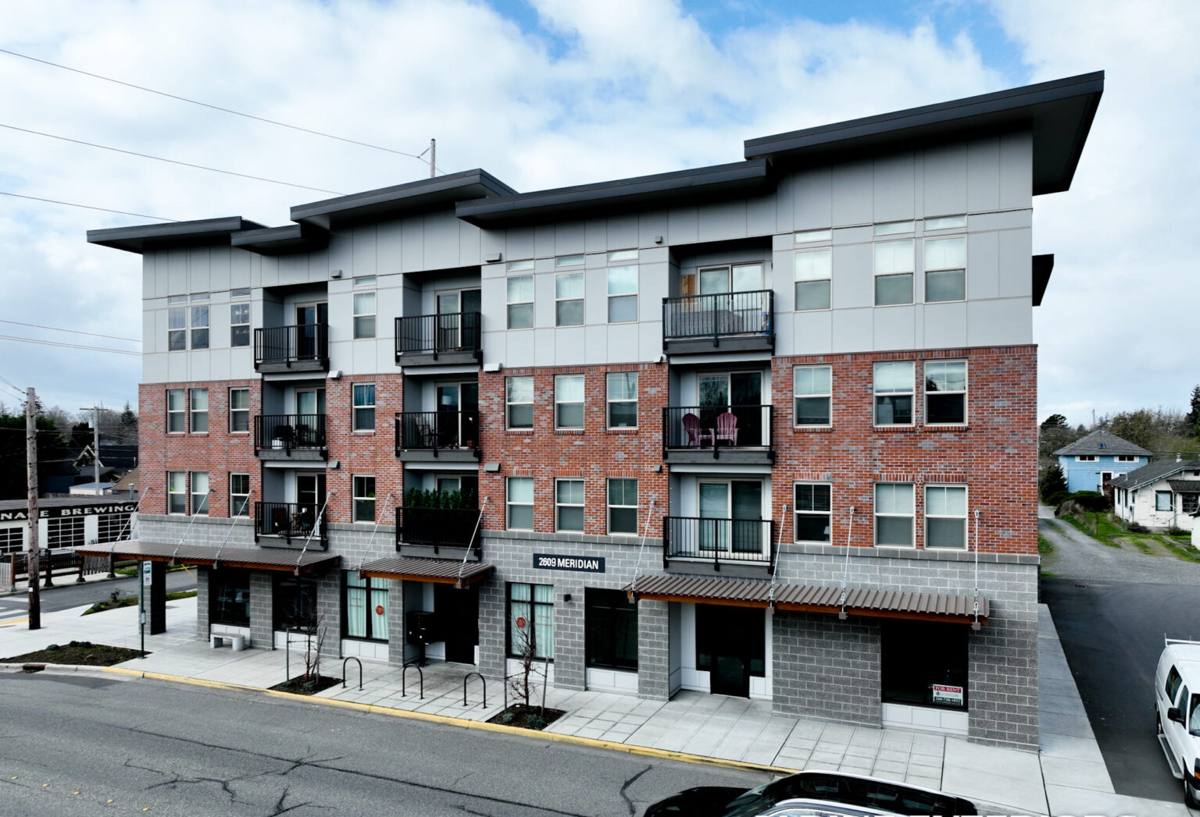
What This Climate Does to Siding Over Time
Whatcom County's marine-influenced climate means moisture is a constant, not an occasional event. Driving rain — the kind that comes in sideways during a fall or winter storm — pushes water into seams, laps, and fastener points that a lot of siding systems weren't designed to shed. Add in the long moss season that runs through the wetter months, and you get siding that stays damp in shaded areas, on north-facing walls, and anywhere tree cover or fencing blocks sun and airflow.
Over years, that pattern shows up as:
- Moss and algae growth on siding that doesn't dry out between rain events
- Swelling, cupping, or soft spots on wood-based or engineered wood siding where moisture gets behind the surface
- Paint and finish failure where coatings can't keep up with repeated wet-dry cycling
- Caulk and sealant breakdown at joints that were never detailed to shed water in the first place
- Accelerated wear on the sun-exposed side of the house versus the shaded side, creating an uneven maintenance schedule
None of this is unique to Everson — it's the reality across most of Whatcom County. But it's worth saying plainly because it changes what "good siding" actually means here. A product that performs fine in a drier climate can underperform badly in a valley that stays damp for months at a stretch.
Why We Install James Hardie Fiber Cement — and Only That
We install James Hardie fiber cement siding exclusively. We don't install vinyl, LP SmartSide, primed spruce, cedar, or other fiber cement brands. That's a deliberate standard, not a sales preference, and it comes down to how these products actually behave in a wet marine climate over the long run.
Fiber cement is a cement-and-cellulose composite. It doesn't absorb and swell the way wood-based products can, it won't warp or rot, and it's non-combustible. James Hardie specifically engineers its HardieZone product lines for different climate zones, and the HZ5 line used in the Pacific Northwest accounts for the wet, temperate conditions we get in Whatcom County. The factory-applied ColorPlus finish is also baked and cured under controlled conditions, which gives it better long-term adhesion and fade resistance than field-applied paint — a real advantage when a house sits under overcast skies and heavy moisture for much of the year.
We're not going to tell you every other product is worthless — plenty of siding materials have legitimate uses. But we've made a business decision to install one product system we can stand behind fully, install to spec every time, and back with a real warranty. That's James Hardie.
What a Correct Fiber Cement Installation Actually Involves
Fiber cement siding is only as good as its installation. A huge share of the siding problems we get called out to inspect — moisture intrusion, staining, premature caulk failure — trace back to installation shortcuts, not the product itself. For a job to hold up in Everson's climate, it needs to get the details right in places you can't see once the siding is up.
Water Management Comes First
Before a single piece of siding goes on, the wall needs a proper weather-resistant barrier and correctly integrated flashing at every window, door, and penetration. Fiber cement is durable, but it's not waterproof caulk holding a house together — the drainage plane behind it is what actually keeps water out of the wall assembly. This is the step that gets rushed on lower-bid jobs, and it's the one that matters most in a climate like ours.
Clearances and Gaps
James Hardie specifies minimum clearances from grade, roof lines, decks, and other surfaces, along with gapping requirements at butt joints and trim. Skipping these is one of the most common causes of moisture wicking into the bottom edge of siding boards — a slow problem that often doesn't show itself for a few years.
Fastening
Fiber cement needs to be fastened per manufacturer specification — correct nail or screw type, placement, and depth. Over-driven or under-driven fasteners are a common source of cracking and loosening over time, especially through seasonal wood movement in the framing underneath.
Caulking and Sealant Joints
Joints, trim intersections, and penetrations need the right sealant, applied correctly, in the right places — and just as important, siding shouldn't be over-caulked in spots that need to stay open to drain or breathe.
Fiber Cement Compared to Other Siding Options
Homeowners in Everson often ask how fiber cement stacks up against other materials they've seen quoted. Here's an honest comparison based on how these materials tend to perform in a wet Pacific Northwest climate specifically.
| Material | Moisture Performance in This Climate | Maintenance Burden | Typical Lifespan |
|---|---|---|---|
| James Hardie Fiber Cement | Strong — doesn't absorb/swell, resists moss and rot | Low — factory finish, occasional wash | Decades with correct install |
| Vinyl | Doesn't rot, but can warp, and seams allow water behind panels | Low, but limited repairability | Moderate; UV and cold-cracking over time |
| Cedar | Attractive but absorbs moisture; prone to moss/mildew without diligent upkeep | High — regular refinishing and sealing | Shorter without consistent maintenance |
| Primed Wood/LP-Type Products | Vulnerable at cut edges and seams if moisture gets in | Moderate to high | Shorter if moisture management fails |
This isn't meant to trash the other materials — it's meant to explain the trade-offs. Cedar can look beautiful and vinyl can be budget-friendly, but in a valley that stays wet as long as Everson does, the maintenance and moisture-management burden of those materials tends to catch up with homeowners faster than they expect.
Our Process for Everson Projects
When we take on a fiber cement siding project in the Everson area, the process generally looks like this:
- On-site assessment — we look at the existing siding, wall condition, moisture patterns (shaded sides, drainage, roof runoff), and any problem areas before quoting anything.
- Removal and inspection — old siding comes off and we check the sheathing and framing underneath for hidden moisture damage before covering it back up.
- Weather barrier and flashing — this is the step that determines how the wall performs for the next 30+ years, and we don't shortcut it.
- Hardie installation to manufacturer spec — correct fastening, clearances, and joint treatment throughout.
- Trim, caulking, and finish detail work — the visible finish work that also happens to be where water management either holds or fails.
- Site cleanup and walkthrough — we go over the finished job with the homeowner before we consider it done.
Living With Fiber Cement Siding in a Wet Climate
One of the real advantages of James Hardie fiber cement in a place like Everson is how little ongoing maintenance it needs compared to wood-based alternatives. That said, "low maintenance" doesn't mean "zero maintenance." A few habits go a long way toward getting the full lifespan out of the siding:
- Rinse siding periodically with a garden hose to keep moss spores and organic buildup from taking hold, especially on shaded, north-facing walls
- Keep gutters clear so overflow isn't running down the siding face during heavy rain
- Trim back vegetation and shrubs that trap moisture against the wall or block airflow
- Check caulking at trim and penetrations every year or two and touch up if it's cracked or pulling away
- Address any impact damage (a dented panel, a cracked corner) promptly rather than letting it sit exposed
Compare that to the yearly sanding, sealing, and repainting cycle that cedar or lower-grade wood siding often demands in this climate, and the difference in long-term cost and effort adds up fast.
Why Hiring a Crew That Already Works in Everson Matters
Siding installation quality depends heavily on whether the crew understands the specific climate conditions of the job site — not just generic "Pacific Northwest" conditions, but the particular way moisture, shade, and drainage play out on a given lot. A crew that regularly works Whatcom County homes knows which wall orientations tend to trap moisture, how local frost and rain patterns affect curing times for sealants, and what clearance and flashing details actually matter here versus in a drier region.
There's also a practical side: a local contractor is accountable locally. If a callback is needed, or a question comes up two years after the job, you're not waiting on a crew that drove in from out of the area and moved on. We do this work in Everson and the surrounding Whatcom County communities because it's where we live and where our reputation is built one job at a time.
Get a Straightforward Estimate
If you're weighing siding options for a home in Everson, we're happy to take a look, walk you through what we're seeing, and put together a straightforward, no-pressure estimate for James Hardie fiber cement siding. Use the form below to get started.