 Lynden Siding
 Roofing in Deming: A Different Set of Problems Than Town
Deming sits back from the coastline along the Mount Baker Highway corridor, tucked into forested, rural Whatcom County land near the Nooksack River. That setting is beautiful, but it changes what a roof has to survive compared to a house closer to town. Tree cover means more shade, more debris, and slower drying after a storm. The valley holds moisture longer into the day. And the same weather pattern that soaks Lynden and Bellingham with driving rain off the Strait still reaches inland here, just with less wind to dry things out afterward.
A roof built for a dry climate, or even installed correctly but without accounting for how long Deming stays wet, will show problems years before it should: soft decking at the eaves, moss colonies working into the shingle mat, and slow leaks that don't announce themselves until there's a stain on a ceiling. New roof installation done right for this area isn't about a fancier shingle. It's about ventilation, underlayment, and flashing choices that match how long water and shade sit on this roof compared to a roof ten miles closer to open water.
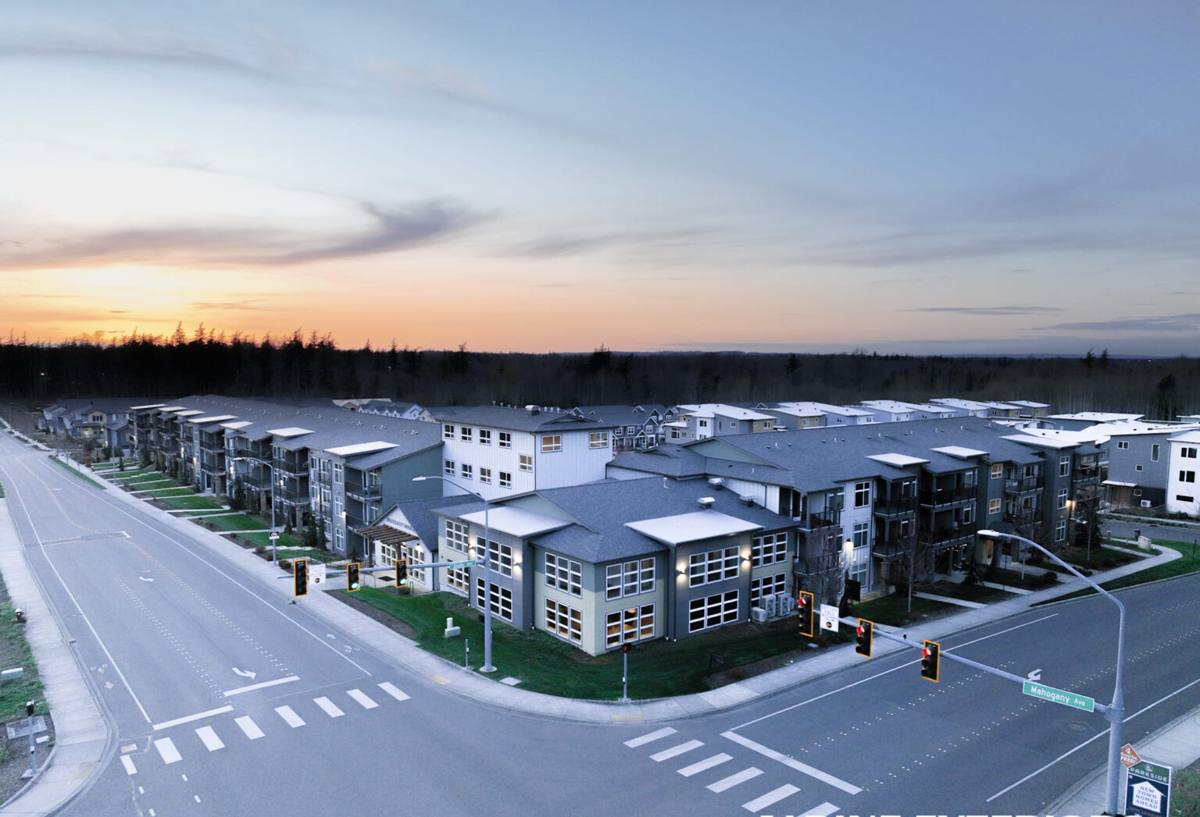
What Deming's Climate Actually Does to a Roof
Three things drive most of the roofing calls we get out this way, and they're worth naming plainly:
- Extended moss season. Shade from surrounding trees and consistent moisture mean moss gets a longer runway here than on an open, sun-exposed lot. Moss holds water against the shingle surface, lifts tabs, and works granules loose over time.
- Driving rain. Storms pushing through the valley don't always fall straight down. Wind-driven rain finds its way under poorly lapped shingles, around under-flashed penetrations, and into any gap where the underlayment wasn't run correctly.
- Salt air carryover. Whatcom County isn't right on the water everywhere, but salt-laden air moves inland more than people expect, especially with prevailing weather patterns. It accelerates corrosion on exposed metal fasteners, flashing, and vent components that aren't rated for it.
None of these are exotic problems. They're just the normal cost of building in this part of Washington, and a roof that's designed with them in mind will simply last longer and cost less to maintain than one that wasn't.
What a Correct New Roof Installation Actually Involves
"New roof" sounds simple, but the work that determines whether it lasts 15 years or 35 happens in layers most homeowners never see once the job is done. Here's what should happen, in order, on a proper tear-off and replacement:
1. Full Tear-Off, Not a Layover
We remove the old roofing down to the decking rather than installing over an existing layer. This lets us actually inspect the deck, catch soft or rotted plywood before it's buried under new material, and start the new roof system on a clean, flat surface. Roofing over an old layer traps moisture and hides problems — it's a shortcut, not a standard.
2. Deck Inspection and Repair
Any decking that's soft, delaminated, or water-stained gets replaced before anything else goes down. In a shaded, moisture-heavy area like Deming, this step matters more than in drier parts of the county — slow leaks that go unnoticed for a season or two do real damage to the sheathing underneath.
3. Ice-and-Water Barrier at Vulnerable Areas
Eaves, valleys, and roof penetrations get a self-adhering waterproof membrane underneath the primary underlayment. This is the backup layer that catches wind-driven rain and any water that works past the shingles themselves — critical in a climate where storms come in sideways more often than straight down.
4. Synthetic Underlayment Across the Field
We use synthetic underlayment rather than older felt paper across the rest of the roof. It holds up better to the extended wet periods common here and gives the deck a second line of defense while the shingles do their job.
5. Correct Flashing at Every Penetration
Chimneys, vents, skylights, and roof-to-wall transitions are where the majority of real leaks originate — not the open field of shingles. Step flashing, counter-flashing, and pipe boots need to be sized and lapped correctly, not just caulked and hoped for.
6. Balanced Ventilation
Intake at the eaves, exhaust at the ridge, sized to the attic volume. This is the single most overlooked part of a roof system, and it's the one most directly tied to moss and moisture problems in a place like Deming — more on that below.
7. Shingle or Panel Installation to Manufacturer Spec
Nail placement, exposure, and pattern all affect wind resistance and warranty validity. This is also where installer sensitivity matters most: the same shingle installed correctly versus installed loosely can have a meaningfully different service life.
Roofing Material Options for a Property Like This
There's no single "right" material for every Deming home — it depends on your budget, your roof's pitch and shading, and how much maintenance you want to do. Here's an honest comparison of what we install most often in this area:
| Material | Moss Resistance | Typical Lifespan | Maintenance | Best Fit |
|---|---|---|---|---|
| Architectural Asphalt Shingle | Moderate (better with algae-resistant granules) | 25–30 years | Periodic moss/debris removal, especially under tree cover | Most homes; best value for the climate |
| Standing Seam Metal | High — smooth surface sheds moss and debris | 40–50+ years | Low; occasional fastener and sealant check | Steeper roofs, homeowners planning to stay long-term |
| Synthetic/Composite Shingle | Good, varies by product | 30–40 years | Low to moderate | Homes wanting a cedar-shake look without the moisture sensitivity of real wood |
| Cedar Shake | Low — absorbs and holds moisture | 20–25 years with upkeep | High; regular treatment needed in shaded, wet settings | We're honest that this is a tough fit for a heavily shaded Deming lot |
We don't push cedar shake on shaded, moisture-heavy lots like many in Deming — not because it's a bad product everywhere, but because its maintenance burden and moisture behavior are a genuinely poor match for a property that stays damp and shaded most of the year. That's a professional judgment call we'll walk through honestly, not a sales pitch against a competitor's product.
Ventilation and Moss: The Piece Most Roofs Get Wrong
A roof with poor attic ventilation traps warm, moist air underneath the decking. That trapped moisture works its way through the deck and keeps the underside of the shingles slightly damp longer than it should be — which is exactly what moss and algae need to establish. It also shortens the life of the decking itself and can void shingle warranties that require specific ventilation ratios.
Given Deming's tree cover and the extended moss season it creates, we treat intake and exhaust ventilation as a core part of every new roof install here, not an upsell. Zinc or copper strips near the ridge can also help suppress moss regrowth on the surface, and we'll talk through whether that makes sense for your roof's exposure.
What a Well-Ventilated, Moss-Resistant Roof Looks Like
- Continuous or evenly spaced soffit intake vents that aren't blocked by insulation
- Ridge or box vents sized to match the intake — balanced, not just "more vents"
- Algae-resistant shingle granules on the sun-exposed and shaded portions alike
- Clean, unobstructed valleys where debris and needles won't dam water
- Overhanging branches trimmed back from the roofline where practical
Our Installation Process
We keep the process straightforward and communicate at each stage rather than disappearing until the job's done:
- On-site assessment. We walk the roof, check the attic for ventilation and moisture signs, and look at how shade and drainage affect your specific lot.
- Written estimate. Material options, scope, and a clear price — no vague allowances that turn into surprise add-ons later.
- Scheduling around weather. Roofing in Whatcom County means working around rain windows. We plan tear-off and dry-in to minimize the time your deck is exposed.
- Tear-off and deck repair. Old material removed, decking inspected and repaired as needed, debris hauled off daily.
- Underlayment, flashing, and ventilation installed. The layers that actually determine how the roof performs over the next 20+ years.
- Final installation and cleanup. Shingles or panels installed to spec, magnetic sweep for debris, site walk-through with you before we consider it finished.
Cost Factors for a New Roof in Deming
Every roof is different, and we won't quote a number without seeing yours, but the main variables that move price are consistent:
| Factor | Why It Matters |
|---|---|
| Roof size and pitch | Steeper roofs take longer and require more safety setup |
| Number of penetrations and valleys | Chimneys, skylights, and complex rooflines mean more flashing work |
| Deck condition | Rot or delamination found during tear-off adds repair cost, but it's cheaper to fix now than to bury it |
| Material choice | Asphalt, metal, and composite carry different material and labor costs |
| Access and site conditions | Tree cover, driveway length, and staging space affect labor time on rural lots |
| Tear-off vs. overlay | We only do full tear-offs — it costs more up front than an overlay but avoids hiding problems |
Why Hiring a Crew That Already Works in Deming Matters
A roofer who mostly works closer to town will still know how to install a roof correctly, but they may not think in terms of Deming's specific combination of shade, extended moisture, and rural access. We factor that into material recommendations, ventilation design, and even scheduling — knowing that a job here might need an extra day of dry-in coverage compared to a more exposed, sun-drenched lot elsewhere in Whatcom County. Familiarity with the area also means fewer surprises on access, permitting through the county, and realistic timelines around our wet-season weather windows.
After the Install: What to Expect and What to Check
A correctly installed roof shouldn't need much from you, but a little seasonal attention goes a long way in a shaded, wet setting like Deming:
- Clear debris from valleys and gutters at least twice a year, more often under heavy tree cover
- Watch for moss regrowth along the shaded slopes and address it early rather than letting it establish
- Check attic ventilation isn't blocked by stored items or insulation that's shifted
- Have flashing around chimneys and vents visually checked every few years
- Trim back overhanging branches that create prolonged shade or drop debris directly onto the roof
If you're weighing a new roof for a Deming property, we're happy to take a look, walk you through what your specific roof needs given its shading and exposure, and put together a straightforward, no-pressure estimate. There's a form below — reach out and we'll get you scheduled.