 Lynden Siding
 Why Window Installation Is Different Out Here
Nooksack sits in the kind of climate that punishes shortcuts. The Nooksack River valley stays damp for months at a stretch, wind-driven rain comes in sideways off passing fronts, and the moist marine air that moves inland from the Sound and the Strait keeps everything — siding, trim, window sills — wetter for longer than it would be almost anywhere else in the country. Add a moss season that can run from fall through spring, and you have an environment where a window that's merely "installed" instead of installed correctly will show it within a few winters: fogged glass, soft trim, drafts you can feel standing three feet away.
Window installation isn't just fitting a new unit into an old hole. It's a moisture-management job first and a carpentry job second. Get the flashing and sealing wrong and the window itself barely matters — water will find its way behind the frame and into the wall cavity regardless of how good the glass is.
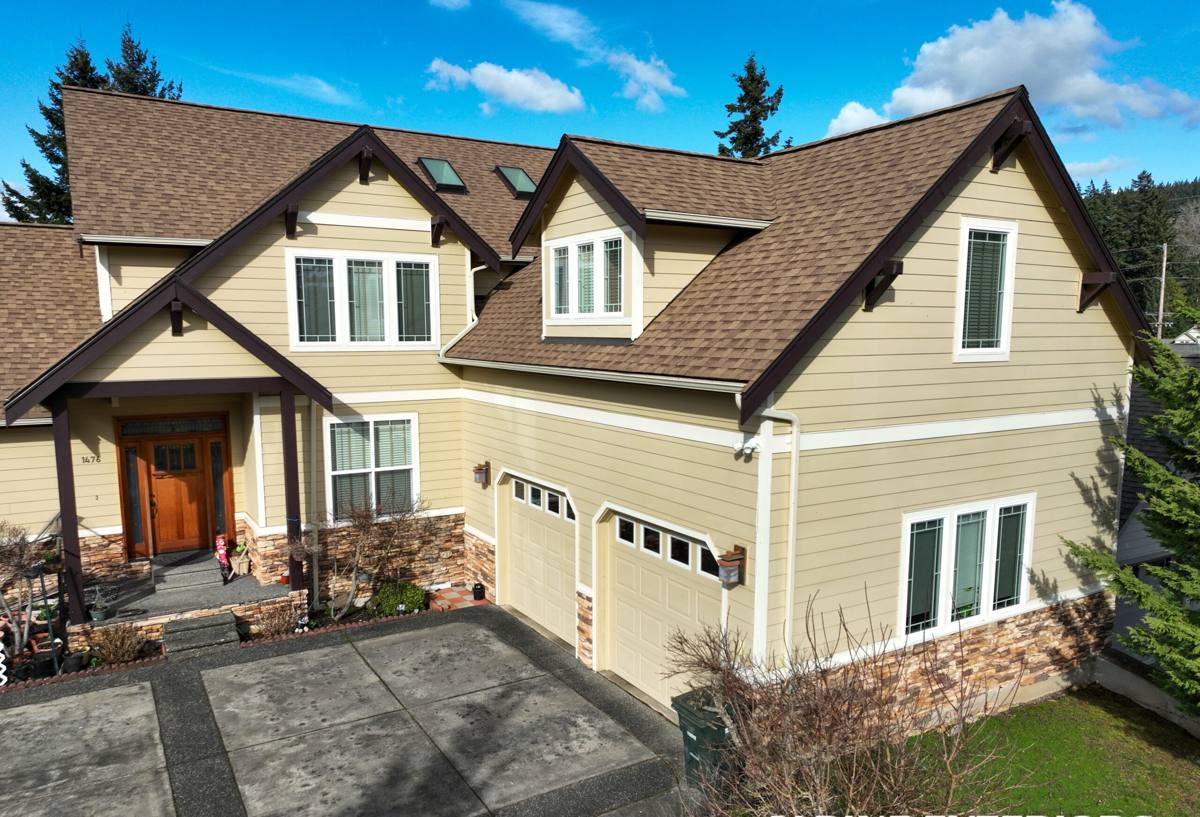
What Nooksack Homes Actually Need From Their Windows
The housing stock around Lynden and Nooksack runs the gamut — older farmhouses, mid-century ranches, newer construction, and everything in between. What they share is exposure to the same weather pattern: long stretches of saturated ground, heavy fall and winter rain, and short, humid summers that don't dry things out as much as homeowners from drier states might expect.
That means three things matter more here than in a milder, drier climate:
- Air and water sealing at the rough opening — the seal between the window frame and the wall structure has to handle sustained, driving rain, not just an occasional shower.
- Frame materials that don't absorb moisture — anything with exposed, unprotected wood at the sill or jamb is a long-term maintenance commitment in this climate, not a one-time purchase.
- Drainage, not just sealing — a correctly installed window assumes some water will get past the outer seal eventually and gives it a way back out, rather than trying to stop every drop with caulk alone.
What a Correct Installation Actually Involves
A lot of window problems homeowners deal with years later trace back to steps that got skipped or rushed during installation — not to a bad window. Here's what should happen on every job, regardless of window brand or price point:
Before the old window comes out
We check the rough opening, sill, and surrounding framing for existing rot or water damage. In a climate this wet, it's common to find soft wood or old water staining behind a window that looked fine from inside the house. That has to be addressed before a new window goes in — installing a new window over a compromised opening just hides the problem for a while.
Flashing and the water management sequence
Flashing tape and sill pans go in a specific order — sill first, sides next, top last — so that any water that gets past the window sheds down and out rather than pooling at the bottom of the opening or running behind the housewrap. This sequencing matters more in a climate with sustained wind-driven rain than it does somewhere drier, because the assembly gets tested by real weather almost immediately.
Setting and sealing the window
The window has to be shimmed level, plumb, and square — not just visually straight — and fastened per the manufacturer's schedule so it performs the way it's warrantied to. Sealants and backer rod go around the exterior perimeter, and low-expansion foam or fiberglass insulation fills the gap between frame and rough opening on the interior side without bowing the frame.
Interior and exterior trim-out
Trim gets reinstalled or replaced, and any exterior caulking joints are finished to shed water rather than trap it. This is also where moss and algae exposure gets addressed if the surrounding siding or trim shows staining from prior growth.
Signs Your Current Windows Are Past Due
Not every window needs replacing just because it's old. But in this climate, certain signs point to a problem that's only going to get worse:
- Fogging or moisture between panes of double-pane glass — the seal has failed and the insulating gas is gone
- Soft, spongy, or discolored wood at the sill or trim, inside or out
- Visible gaps, drafts, or daylight around the frame
- Difficulty opening, closing, or locking — frames can swell or shift with moisture cycling
- Persistent condensation on the inside of the glass during cold, damp stretches
- Moss or dark staining building up on the sill or surrounding trim year after year
- A noticeable jump in heating costs with no other explanation
Our Window Installation Process
- On-site assessment. We look at each window opening individually — condition of the framing, current flashing (if any), and how the house is oriented relative to prevailing wind and rain.
- Straightforward proposal. You get a clear scope and price before any work starts — what's being replaced, what materials we're using, and why, in plain language.
- Removal and inspection. Old windows come out carefully so we can check the opening underneath before anything new goes in.
- Repair as needed. Any rot or damaged sheathing gets addressed at this stage, not covered over.
- Install with full flashing sequence. Sill pan, flashing tape, and sealant applied in the correct order for this climate's exposure.
- Trim, seal, and clean up. Interior and exterior finish work completed, site cleaned, and every window checked for smooth operation before we call it done.
Choosing Window Materials for a Wet Climate
There's no single "best" window material for every situation — it depends on your home's style, budget, and how much upkeep you want to take on. Here's how the common options compare specifically for a climate like Whatcom County's:
| Material | Moisture behavior | Maintenance | Best fit |
|---|---|---|---|
| Vinyl | Won't rot or absorb water; performs consistently in sustained damp | Low — occasional cleaning | Most homes prioritizing value and low upkeep |
| Fiberglass | Excellent moisture and temperature stability; very low expansion/contraction | Low | Homeowners wanting maximum durability and willing to pay more |
| Wood (unclad) | Attractive but vulnerable to moss, rot, and swelling if finish isn't maintained | High — regular refinishing needed in this climate | Historic or specific-aesthetic projects where upkeep is accepted |
| Wood-clad (vinyl/aluminum exterior) | Exterior face resists moisture; interior wood face still needs some care | Moderate | Homeowners wanting a wood interior look with better exterior durability |
| Aluminum | Doesn't rot, but conducts cold and can condense without a thermal break | Low | Specific architectural applications, less common for residential retrofits here |
As a matter of our own installation standards, we're cautious about unclad wood exteriors in this climate unless a homeowner specifically wants that look and understands the refinishing schedule it requires — it's not that the material is bad, it's that sustained moss exposure and driving rain will find any gap in a maintenance routine faster here than in a drier region.
What Affects Window Installation Cost
Every home and every opening is different, but these are the main factors that move the price:
| Factor | Why it matters |
|---|---|
| Window material and glass package | Vinyl, fiberglass, and wood-clad options are priced differently, and glass upgrades (low-E coatings, additional panes) add cost |
| Number and size of openings | Larger openings and specialty shapes take more material and labor |
| Condition of the existing opening | Rot repair or sheathing replacement adds time before installation can even start |
| Full-frame vs. insert replacement | Insert replacement reuses the existing frame; full-frame replacement rebuilds the opening and typically costs more but corrects underlying flashing issues |
| Interior/exterior trim work | Matching existing trim profiles or repainting/staining adds finish labor |
We give a written, itemized estimate before starting so there are no surprises once the crew is on-site.
Why It Matters That We Already Work in Nooksack
A crew that regularly works in and around Lynden and the Nooksack area already knows how the local weather pattern behaves through a full year — not just what a spec sheet says about a product. We know what a rough opening in this valley tends to look like after a decade or two of wind-driven rain, and we don't treat flashing and sealing as an afterthought because we've seen what happens when it is.
That local familiarity also means practical things: we can usually schedule and complete work around this region's weather windows, and we're not learning the area's quirks on your project.
Get a Straightforward Estimate
If your windows are drafty, fogging, or just past their reasonable service life, we'll come take a look and give you an honest assessment — no pressure, no inflated scare tactics about what's wrong. Use the form below to request a free estimate for your Nooksack-area home.