 Lynden Siding
 Roof Repair in Deming: A Job Best Done by a Crew That Already Knows the Area
Deming sits in one of the wetter, more tree-shaded pockets of Whatcom County, tucked along the Nooksack River corridor between Lynden and the foothills. Homes out here deal with a different set of roof problems than a house in town: more standing tree cover, more shade that never fully dries out after a storm, longer driveways and gravel access that matter when equipment needs to get close to the house, and a rural building stock that ranges from newer construction to older farmhouses and additions. A roof repair here isn't the same job as a repair on a wide-open, full-sun roof in a subdivision. We've done enough of these calls around Deming to know what actually causes the leak, not just where the water is showing up inside.
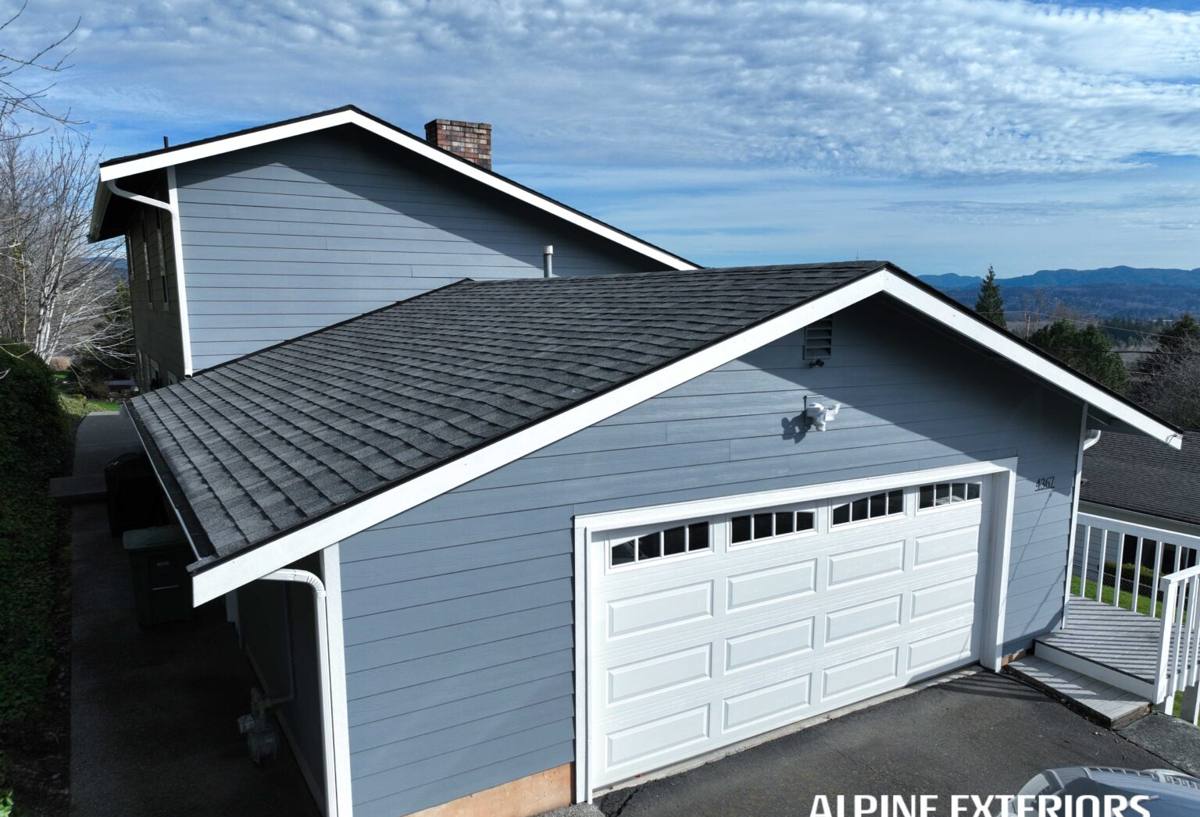
What Whatcom County Weather Does to a Roof Over Time
Western Washington roofs age differently than roofs in drier climates, and Deming gets its own version of that pattern. Driving rain off a Pacific storm system doesn't just fall straight down — wind pushes it sideways under lifted shingle edges, around poorly sealed flashing, and into any gap that a dry-climate roof could get away with ignoring. Add in a long moss season, moisture-laden marine air that moves inland off the Salish Sea and settles in low, shaded valleys like this one, and you get roofs that hold dampness far longer after a storm than homeowners expect.
The result shows up in predictable ways: moss colonies working under shingle tabs and lifting them, granule loss that accelerates once moss gets a foothold, slow leaks that take months to become a stain on the ceiling, and wood rot in decking or fascia that was wet longer than it should have been. None of this is dramatic on its own — it's cumulative. That's why repair timing matters as much as repair quality.
Why Tree Cover Changes the Math
A shaded roof under fir or cedar canopy dries slower after every rain, which means moss and moisture problems tend to run a season or two ahead of what you'd see on a comparable roof in full sun. Needle and debris buildup in valleys and gutters also creates dams that back water up under shingles during heavy rain — a common cause of "mystery" leaks that aren't actually roof failures at all, just clogged drainage doing damage somewhere it shouldn't.
Common Roof Repair Calls We See Around Deming
- Moss-lifted shingles: moss growing under tab edges, breaking the seal and letting wind-driven rain in
- Valley and flashing leaks: the metal or membrane where two roof planes meet, or where a roof meets a chimney or wall, has failed or was never installed correctly the first time
- Debris-clogged gutters and valleys: needle and leaf buildup causing water to back up under shingles instead of running off
- Soft or rotted decking: found once shingles are pulled back, usually from a leak that went unnoticed for a season or more
- Nail pops and wind damage: individual shingles lifted or torn loose after a windstorm, common on exposed edges and ridges
- Ventilation-related moisture: attic condensation that mimics a roof leak but actually stems from poor airflow
What a Correct Repair Actually Involves
A repair that just covers the visible symptom — a bead of sealant over a crack, a shingle tab glued back down — tends to fail again within a season or two out here, because it doesn't address why the water got in. A repair done right starts with tracing the leak to its actual source, which is often several feet from where the stain shows up inside, since water travels along decking and rafters before it drips.
From there, the work generally includes removing and replacing damaged shingles or sections down to sound decking, replacing any rotted wood underneath rather than covering it, installing new underlayment in the repaired area, and correcting or replacing flashing at valleys, walls, and penetrations like vent pipes and chimneys. Matching the existing shingle as closely as possible matters too — a mismatched patch is a cosmetic problem now and a resale conversation later.
Flashing Gets More Attention Than People Expect
Flashing failures cause a disproportionate share of the leaks we find, because flashing is easy to install poorly and hard to inspect from the ground. Around chimneys, dormers, and roof-to-wall transitions, we check that flashing is properly layered with the roofing material (not just caulked over the top) since caulk alone is a maintenance item, not a permanent fix.
Repair vs. Replacement: How We Help You Decide
Not every roof problem in Deming needs a full replacement, and not every leak can be permanently fixed with a patch. The honest answer depends on the roof's age, how much of it is affected, and what condition the decking is in underneath.
| Factor | Leans Toward Repair | Leans Toward Replacement |
|---|---|---|
| Roof age | Under 12–15 years, otherwise sound | Nearing or past its expected lifespan |
| Extent of damage | Isolated to one section or penetration | Multiple areas, spread across slopes |
| Decking condition | Solid once opened up | Soft, rotted, or repeatedly repaired in the same spot |
| Moss/granule loss | Localized, recent | Widespread, long-standing |
| Repair history | First or second repair on the roof | Recurring leaks in the same general area |
We'll always tell you honestly which side of that table your roof falls on. A repair that's likely to fail again within a year or two isn't a good use of your money, and we'll say so rather than patch it anyway.
Our Process for Deming Repair Calls
- Inspection: we get on the roof (not just look from the ground) and trace the leak to its actual source, checking flashing, valleys, and ventilation along the way
- Plain-language findings: we tell you what we found, what caused it, and what your realistic options are — repair, partial replacement, or full replacement
- Written estimate: a clear scope and price before any work starts, no surprise add-ons
- The repair itself: matching materials where possible, replacing any rotted decking found, correcting flashing rather than just resealing it
- Cleanup and check: site cleared of debris and old material, gutters and valleys cleared if that contributed to the problem
Why a Crew That Already Works This Area Matters
Rural properties around Deming often come with longer driveways, gravel or unpaved access, septic systems to route around, and tree cover that limits where a ladder or lift can safely go. A crew unfamiliar with that has to figure it out on the day of the job, which costs you time. We've worked enough properties in this part of Whatcom County to know what to ask about access before we ever show up, and what kind of moss and moisture issues to expect on a shaded, tree-lined lot versus an open one.
There's also a permitting side to this. Whatcom County's rules on roofing permits generally hinge on the scope of work — small, like-for-like repairs typically don't trigger a permit requirement, while larger tear-offs or structural work may. Because requirements can shift and depend on your specific property, we check the current county requirement for your scope of work rather than assuming, and we handle that step if a permit is needed.
A Homeowner's Roof Repair Checklist
- Check gutters and valleys for needle and leaf buildup, especially after fall and winter storms
- Look for moss patches, particularly on shaded, north-facing slopes
- Watch for ceiling stains, especially after a heavy, wind-driven rain event
- Note any missing, curled, or lifted shingles visible from the ground
- Check attic ventilation isn't blocked by insulation, which can cause condensation that mimics a leak
- Get any suspected leak looked at before the next major storm, not after
Materials and Our Repair Standards
We work with standard asphalt shingle systems in both 3-tab and architectural (laminated) styles, matching your existing roof where a close match is available. Architectural shingles have largely become the standard for repairs and replacements because of their heavier profile and typically longer manufacturer warranty, but a 3-tab match is sometimes the right call on an older roof where consistency matters more than upgrading. For moss control, we don't recommend high-pressure washing on any repair — it strips granules and shortens shingle life — and instead favor gentler treatment methods paired with keeping gutters and valleys clear, which does more for long-term moss prevention than any one-time treatment.
If you're dealing with a leak, missing shingles, or a moss problem on a Deming-area roof, we're happy to take a look and give you a straight answer about what it needs. Estimates are free and there's no pressure to move forward — just fill out the form below and we'll get in touch to schedule a time to come out.