 Lynden Siding
 Siding Replacement for Abbotsford-Area Homes
Abbotsford sits just across the line from Whatcom County, close enough that a lot of the homes there face the exact same weather Lynden does — the same wet winters, the same wind off the water, the same short window of dry season to get exterior work done right. We're a Lynden-based crew, and Abbotsford is part of our regular service area, not a special trip. That matters more than it sounds like it should. Siding replacement is a job where local weather knowledge, not just installation skill, determines whether the work lasts fifteen years or forty.
This page is specifically about siding replacement — pulling off failing or worn-out siding and installing new material correctly — for homes in the Abbotsford area. We're not going to give you a generic "siding 101" rundown. We're going to talk about what this specific region does to a house's exterior, what a correct replacement job actually involves, and why we install one product system instead of offering you a menu of options.
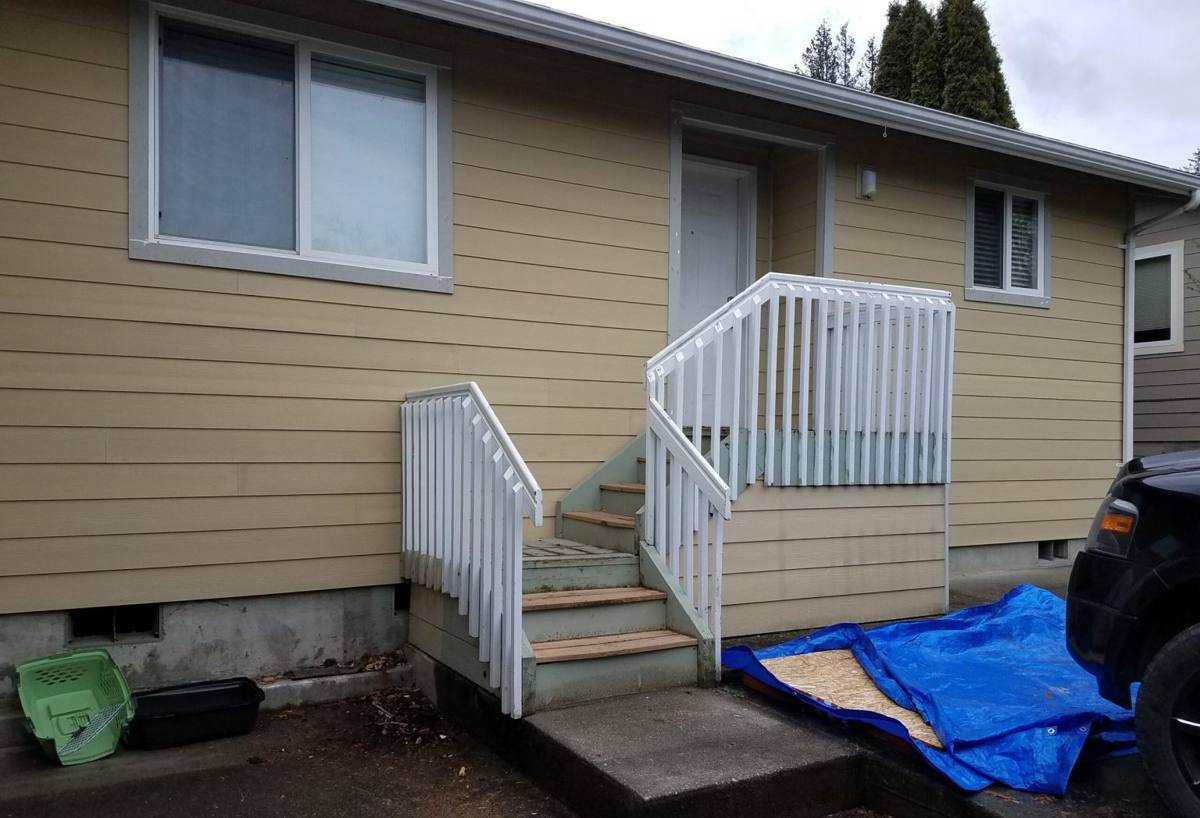
What the Regional Climate Does to Exterior Walls
Homes in and around Abbotsford deal with a specific combination of conditions that's harder on siding than people expect, especially compared to drier parts of the country where a lot of siding products are designed and tested.
Salt Air
This part of the Pacific Northwest sits close enough to the Salish Sea and the broader marine air system that moisture in the air carries a mild salt content, especially during storms that push in off the water. Salt-laden moisture accelerates corrosion on fasteners, staples, and metal flashing, and it speeds up the breakdown of finishes that aren't built to handle it. Over years, siding that looked fine for a decade can start showing fastener bleed, streaking, or finish failure faster than the same product would in a landlocked climate.
Driving Rain
Rain here doesn't just fall — a good portion of the year it comes in sideways, driven by wind off open ground and the Fraser Valley corridor. Driving rain finds every gap in a siding installation: unsealed laps, poorly flashed windows, missing kick-out flashing at rooflines, and butt joints that weren't caulked or backed correctly. A siding job that would hold up fine somewhere with mostly vertical rainfall can fail here in a few years if the water-management details were skipped.
A Long Moss Season
Cool, damp conditions persist for much of the year, and that means moss, algae, and mildew have a long runway to establish themselves on north-facing walls, shaded siding, and anywhere airflow is poor. Some siding materials resist this better than others. Porous or organic materials give moss something to grip and feed on; a dense, factory-finished material gives it much less to work with.
None of this is unique to Abbotsford — it's the reality for most of Whatcom County and the surrounding region. But it's worth spelling out because it directly shapes what "correct" siding replacement means here. A product and installation method that's fine in Arizona is not automatically fine here.
Signs a Home Needs Full Replacement, Not a Repair
Not every siding problem calls for a full tear-off. But there's a point where patching becomes false economy. Signs it's time to replace rather than repair include:
- Soft or spongy spots when you press on the siding, especially near the bottom courses or under windows
- Visible delamination, cracking, or bubbling across multiple sections rather than one isolated spot
- Persistent moss or dark staining that comes back within a season of cleaning
- Paint that won't hold — repainted within the last few years but already peeling or chalking again
- Warping, buckling, or gaps opening up at seams and corners
- Visible rot at the sheathing when a piece of siding is pulled back, even if the siding itself looks okay
If the damage is isolated to one wall or one weather-exposed corner, a targeted repair can make sense. If it's showing up in multiple places, that usually means the underlying moisture management — not just the visible siding — has been failing for a while, and a full replacement is the honest recommendation.
What a Correct Siding Replacement Job Involves
The siding itself is only part of the job. A replacement done right addresses everything behind it too:
Tear-Off and Inspection
Removing the old siding is also the chance to inspect the sheathing underneath for rot, soft spots, or prior water damage that's been hidden. Any compromised sheathing needs to be replaced before new siding goes on — covering it up just hides the problem for the next owner to find.
Water-Resistive Barrier
A correctly lapped, properly taped weather-resistive barrier goes on before the siding. This is the layer that actually keeps bulk water out of the wall assembly if any gets past the siding — which, in driving rain, it eventually will at some point over the life of the house.
Flashing at Every Penetration
Windows, doors, hose bibs, light fixtures, and roof-to-wall transitions all need proper flashing and kick-out details. This is the single most common place we see prior installations cut corners, and it's the single most common cause of hidden rot in this climate.
Fastening and Clearances
Fastener type, spacing, and depth all matter — over-driven nails crack fiber cement and create entry points for water. Proper ground clearance and gaps at trim keep the bottom edge of the siding from sitting in standing moisture.
Factory-Finished Material
We install James Hardie fiber cement with ColorPlus Technology, a factory-applied finish baked on under controlled conditions rather than field-painted. That finish is engineered to hold color and resist the kind of moss, mildew, and UV wear this climate produces, and Hardie's HZ5 product line is specifically engineered for the freeze-thaw, damp-climate conditions of the Pacific Northwest.
Material Options We Considered — and Why We Standardized on One
We get asked why we only install James Hardie fiber cement instead of offering vinyl, LP SmartSide, or cedar as options. It's not that those products are worthless — each has real strengths. It's that after years of doing this work in exactly this climate, we decided we could only stand behind one system.
| Material | Strength | Trade-off in This Climate |
|---|---|---|
| Vinyl | Low upfront cost, low maintenance in mild climates | Can warp or crack in temperature swings, seams and laps are more vulnerable to driving rain, doesn't hold up to impact well |
| LP SmartSide (engineered wood) | Lighter weight, easier to work with, decent impact resistance | Wood-strand core is moisture-sensitive; edge sealing has to be perfect and maintained, or it swells and delaminates in a wet climate |
| Cedar / primed spruce | Natural look, long tradition in the region | High maintenance burden — repainting, sealing, and moss treatment on a recurring cycle; more vulnerable to rot if maintenance lapses |
| James Hardie fiber cement | Non-combustible, factory-finished, engineered for this specific climate zone, strong transferable warranty | Heavier material, more installation-sensitive (needs a crew that knows the fastening and clearance specs) |
The trade-off with Hardie is installation sensitivity — it has to be fastened, flashed, and gapped correctly, or you lose some of its advantage. That's exactly why we treat installation as seriously as the material choice itself. James Hardie's plank products carry a 30-year non-prorated limited warranty backed by the manufacturer, and it's transferable if you sell the home — which matters to buyers doing their own due diligence during a sale.
Our Process for Abbotsford-Area Projects
Working across the border adds a logistics layer that a lot of contractors either aren't set up for or don't bother with. We are, and it's routine for us:
- An in-person site visit to assess the current siding, sheathing condition, and any problem areas before we quote anything
- A written estimate that breaks out material, labor, and any sheathing repair contingency so there are no surprises mid-project
- Scheduling around the drier stretches of the year where possible, since tear-off exposes the wall assembly to weather until the new siding and barrier are back in place
- Tear-off, sheathing inspection and repair, water-resistive barrier installation, and flashing at every penetration before a single piece of new siding goes up
- Installation to Hardie's fastening, clearance, and lap specifications — not shortcuts to save a day of labor
- A final walkthrough so you can see the finished work and ask questions before we consider the job done
Because Abbotsford is a regular part of our service area rather than an occasional out-of-area job, we're not learning the logistics on your project. Scheduling, materials, and crew time are planned the same way whether the house is in Lynden or just across the line.
Cost Factors for This Project
We won't quote a fake price range here, since real numbers depend on the house. But these are the variables that actually move the cost on a siding replacement, so you know what to ask about when you get quotes:
| Factor | Why It Matters |
|---|---|
| Home size and wall complexity | More corners, gables, and dormers mean more cutting, flashing, and labor time |
| Sheathing condition | Hidden rot found during tear-off adds repair scope that can't be fully known until the old siding is off |
| Siding profile and accessories | Lap width, trim details, and corner treatments affect both material cost and installation time |
| Access and site conditions | Steep lots, tight setbacks, or limited staging space slow the job down |
| Removal and disposal | Tear-off and haul-away of the old material is real labor, not an afterthought |
Questions to Ask Before You Hire
Whether you go with us or someone else, these are worth asking any contractor before you sign anything:
- Are you licensed and insured to do exterior work in this area, including across the border if applicable?
- Will you inspect and repair sheathing if it's found to be damaged, or does that require a separate change order?
- What water-resistive barrier and flashing details do you use, specifically, at windows and roof transitions?
- Is the siding factory-finished or field-painted, and what does that finish's warranty actually cover?
- Can I see the manufacturer's installation spec you're following, and will you follow it exactly?
- What's your plan if weather interrupts the job partway through tear-off?
A contractor who answers these clearly and specifically is usually one who does this correctly as a matter of habit, not just when someone's watching.
Why a Local Crew That Already Works This Area Matters
Siding failures in this region are rarely about the product being bad in general — they're about details that weren't adapted to the local weather. A crew that mostly works drier climates and occasionally does a job here doesn't have the same instinct for where driving rain and salt air will find weaknesses. A crew that works Lynden, Abbotsford, and the rest of Whatcom County every week sees the same failure patterns repeat on other people's houses and builds habits around avoiding them — proper kick-out flashing, correct fastener depth, real clearance at grade, and a finish that's built for a long moss season instead of a dry one.
That's the case for hiring local, and it's the case for standardizing on one product system we can install to spec every time instead of juggling five different manufacturers' installation requirements.
If your Abbotsford-area home needs siding replacement, we're glad to come take a look, walk the exterior with you, and give you a straightforward, no-pressure estimate — no obligation, and no upsell into a product we don't believe in.