 Lynden Siding
 Siding Built for Deming's Weather, Not Just Its Looks
Deming sits inland from the coast, at the base of the Nooksack Valley foothills, but the weather here isn't much gentler on a house than it is closer to the water. The same wet Pacific air mass that pushes salt-tinged moisture across Whatcom County's shoreline rides up the valley too, and it runs into dense tree cover, shaded lots, and cooler foothill temperatures that keep everything damp longer. Add a driving rain event a few times a winter and a moss season that can stretch from October into May, and you have a climate that is genuinely hard on exterior cladding, year after year, whether anyone in the house notices it happening or not.
This page is about one thing: replacing siding on a home in the Deming area, done correctly, with a product chosen to actually hold up to these conditions. Not a general overview of siding — a straight answer to what a Deming home needs, what a correct installation looks like, and why the crew doing the work matters as much as the material itself.
What Constant Moisture Actually Does to Siding Over Time
Moss and Algae Buildup
Moss doesn't just grow on roofs. Given shade, moisture, and a rough or porous surface to grip, it colonizes siding too — especially on north-facing walls and anywhere tree canopy blocks direct sun for most of the day. On some materials that's a cosmetic nuisance you pressure-wash off. On others, moss and the constant film of moisture underneath it slowly breaks down the surface, holds water against the substrate, and accelerates rot or coating failure underneath.
Moisture Intrusion Behind the Cladding
The bigger risk isn't what you can see on the surface — it's what driving rain does when it gets pushed sideways into seams, laps, and fastener penetrations. Wind-driven rain in this region doesn't fall straight down; it hits walls at an angle and finds every gap in flashing, caulking, or overlap that wasn't detailed correctly the first time. Once moisture gets behind the siding, it doesn't dry out quickly in a shaded, humid foothill environment — it sits against the sheathing and framing, and that's where real structural damage starts.
Freeze-Thaw and Temperature Swings
Whatcom County winters bring repeated freeze-thaw cycles rather than one long deep freeze. Materials that absorb even small amounts of moisture expand when that moisture freezes, then contract again as it thaws. Repeated over several winters, that cycle opens up cracks, pops fasteners, and stresses seams in ways that are easy to miss until the damage is already advanced.
Why We Install Only James Hardie Fiber Cement
We made a decision as a company to install one siding system: James Hardie fiber cement. Not because it's the cheapest option on the market, and not because it's the only product that can technically survive here — but because, installed correctly, it holds up to exactly the conditions described above better than the alternatives we used to install.
Fiber cement is non-combustible, which matters increasingly for insurance and wildfire-adjacent building codes in Washington. It's dimensionally stable, so it doesn't expand and contract with moisture the way wood-based products do, which means fewer opened seams and popped fasteners over time. Hardie's HZ5 product line is engineered specifically for climates like ours — cold, wet, and humid for long stretches of the year — rather than a one-size-fits-all formulation. The factory-applied ColorPlus finish is baked on under controlled conditions and resists the fading, chalking, and moss adhesion that field-applied paint struggles with, which directly addresses the moss and algae problem this area sees. And the warranty structure is transferable and backed by a manufacturer with decades of track record on the product, not a marketing promise.
We're not going to pretend every other siding product is worthless — vinyl, engineered wood, and other fiber cement alternatives all have a place in the market. But once you've replaced enough siding in Whatcom County's wet, shaded, moss-prone microclimates, you develop a strong opinion about what actually survives it without ten years of maintenance headaches. That opinion is why we standardized on Hardie and stopped installing the rest.
What a Correct Siding Replacement Actually Involves
Tear-Off and Hidden Damage Inspection
Replacement starts with full removal of the old siding, not an overlay. That's the only point in the project where the sheathing, framing, and existing water-resistive barrier are fully visible. On homes that have had slow moisture intrusion for years — common in shaded Deming lots — this is where we find soft sheathing, compromised framing, or old flashing that was never installed correctly. It has to be found and fixed now, not sealed behind new siding and left for the next contractor to discover.
Water-Resistive Barrier and Flashing Details
A new weather-resistive barrier goes on before any siding does, with correctly lapped and taped seams so water sheds down and out rather than working its way in. Every window, door, and penetration gets proper flashing integrated with that barrier — this is the single most common place we see shortcuts taken on lower-quality installs, and it's exactly where driving rain finds its way in.
Installing to Manufacturer Specification
James Hardie's warranty is only as good as the installation behind it. That means correct fastener type, spacing, and placement, correct minimum clearances from grade, decks, and rooflines, proper gapping and caulking at butt joints, and factory-finish touch-up done to spec rather than with generic paint. Skipping any of these doesn't just risk the warranty — it recreates the exact moisture pathways that caused the original siding to fail.
Our Process for a Deming Project
- On-site inspection — we walk the home, check current siding condition, look for signs of moisture damage, and talk through what's actually needed versus what can wait.
- Written estimate — a clear scope and price, with the product line and color options for James Hardie explained so you're deciding on facts, not guesswork.
- Scheduling around weather — tear-off and barrier installation happen during realistic dry windows; we don't leave a house exposed to a Whatcom County rain system with the sheathing open.
- Tear-off and sheathing inspection — full removal, repair of anything compromised underneath, before anything new goes on.
- Barrier, flashing, and Hardie installation — done to manufacturer spec, not shortcuts.
- Final walkthrough — we review the finished work with you directly, not just hand you an invoice.
Signs a Deming Home May Need Siding Replacement Now
- Visible moss or dark green-black staining on shaded or north-facing walls that returns quickly after cleaning
- Soft spots, bubbling, or a spongy feel when you press on siding near the bottom of walls or below windows
- Paint that's peeling, cracking, or chalking heavily rather than just fading evenly
- Visible warping, buckling, or gaps opening up at seams and corners
- Musty smells or peeling interior paint on walls that back onto exterior siding — often a sign of moisture already inside the wall assembly
- Siding that's more than 20-25 years old, regardless of how it looks from the road
What Drives the Cost of a Siding Replacement Project
| Factor | Why It Matters |
|---|---|
| Home size and wall complexity | More square footage, more corners, gables, and dormers all add labor and material |
| Extent of hidden damage found at tear-off | Sheathing or framing repair is only priced once it's uncovered — this is the biggest source of project variability |
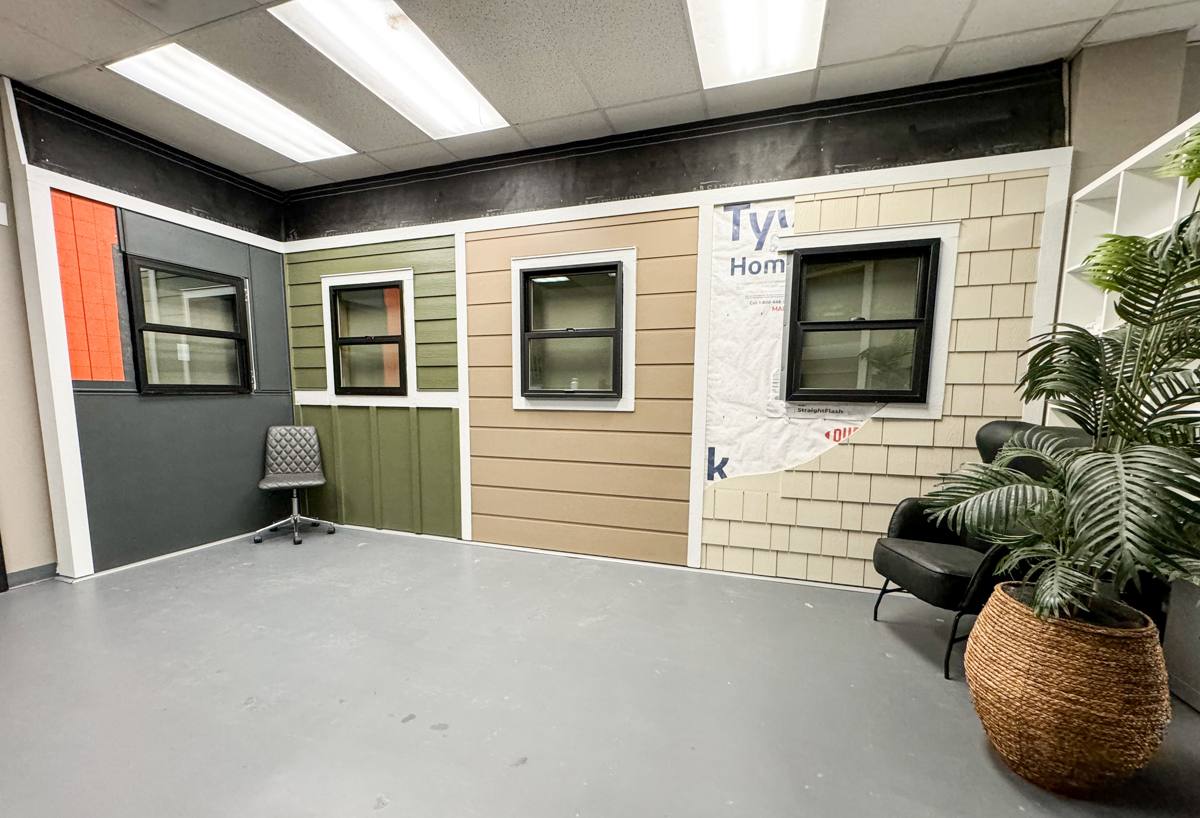
| Hardie product line and profile | Lap siding, shingle-style panels, and board-and-batten all price differently, and ColorPlus vs. field-painted finishes affect cost and long-term maintenance |
| Trim, fascia, and accessory work | Siding replacement is often the right time to address failing trim or fascia at the same time rather than revisiting it later |
| Site access | Steep lots, dense tree cover, and limited staging space common in wooded Deming properties can affect labor time |
We don't quote a flat per-square-foot number sight unseen, because the honest answer is that hidden damage is the single biggest cost variable on older homes in this climate. What we can promise is a clear, itemized estimate after we've actually inspected the house.
Why Hire a Crew That Already Works in Deming
Siding installation isn't just about following a spec sheet — it's about recognizing what this specific climate does to a house before it becomes an expensive problem. A crew that regularly works Deming and the surrounding Whatcom County foothills knows to expect moss growth on shaded walls, knows what wind-driven rain damage looks like when it's found behind old siding, and doesn't need to be told twice about scheduling tear-off around realistic dry windows instead of hoping the weather cooperates. That local familiarity shows up in fewer surprises, better sequencing, and a finished job that's actually built for the conditions it has to survive, not just for how it looks on installation day.
If you're noticing moss, soft spots, or aging siding on a Deming-area home, we're happy to take a look and walk you through what we're seeing, no pressure and no obligation. Fill out the form below for a free estimate.