 Lynden Siding
 Window Installation Built for Acme's Climate
Acme sits in a part of Whatcom County where the weather doesn't do anything halfway. Homes out here get long stretches of steady rain, damp air that lingers under tree cover, and a moss season that seems to start earlier and last longer every year. Windows take the brunt of all of it — they're the weak point in a wall system, the place where water, wind, and humidity are most likely to find a way in if the installation wasn't done right the first time. Replacing or installing windows here isn't just a cosmetic upgrade. It's a chance to fix a chronic problem spot before it turns into rot, mold, or a heating bill that never seems to go down.
This page is specifically about window installation for homes in and around Acme. We're not going to give you a generic rundown of window types — we want to walk through what actually matters for houses in this pocket of Whatcom County, what a correct installation looks like, and how we handle the job from first look to final seal.
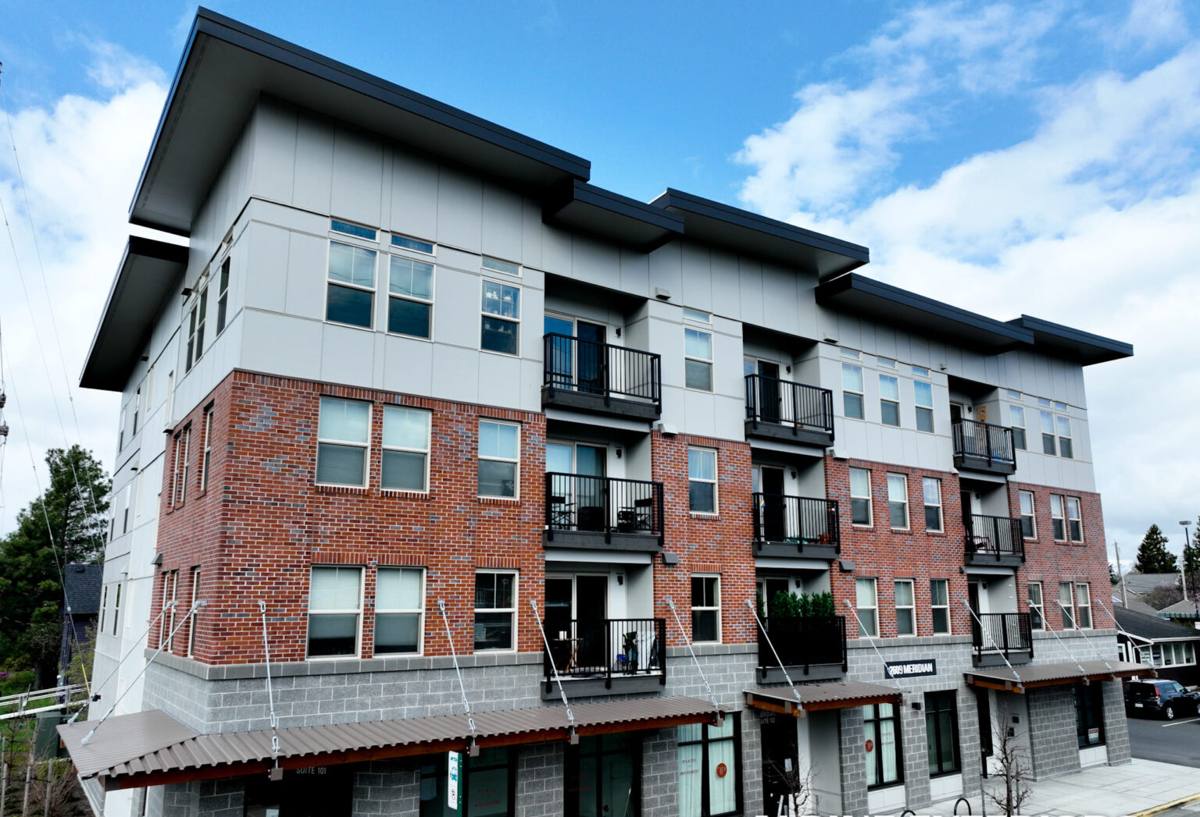
What This Climate Does to Windows Over Time
Acme's setting — tucked into the foothills with heavier tree cover and slower-drying conditions than more open parts of the county — means moisture sits longer against a house than it would somewhere with more sun and wind exposure. Add in the driving rain that comes through the region and the salt-tinged marine air that moves inland off the Sound, and you get a slow, steady wear pattern on window frames, sills, and the seals around them.
- Wood sills and trim absorb moisture faster than they dry, which invites rot from the inside out
- Vinyl and aluminum frames can develop condensation between panes once the seal fails, fogging the glass permanently
- Moss and algae take hold on north-facing and shaded windows, holding moisture against the frame and finish
- Old caulk and flashing dry out, crack, and stop shedding water the way they did when new
- Temperature swings between damp mornings and warmer afternoons stress seals and cause micro-gaps over years
None of this happens overnight. It's cumulative — a few years of minor water intrusion behind a poorly flashed window can turn into sheathing damage that costs far more to fix than the window itself.
Signs Your Windows Need Attention
Homeowners in Acme often wait longer than they should before addressing window problems, mostly because the early signs are easy to write off. Here's what we'd actually pay attention to:
- Fogging or a milky haze between the panes of double-pane glass — the seal has failed and the gas fill is gone
- Soft or discolored wood at the sill or bottom corners of the frame
- Drafts you can feel with your hand near the frame on a windy day
- Windows that stick, won't stay open, or are hard to latch — often a sign the frame has shifted or swollen
- Visible gaps in exterior caulking or trim, especially on walls that face prevailing wind and rain
- Moss or dark streaking building up on the sill or frame that keeps coming back after cleaning
- A noticeable difference in room temperature near the window compared to the rest of the house
Any one of these on its own isn't an emergency. Several of them together, especially on the same window, usually means the frame or the seal around it has been compromised for a while.
What a Correct Installation Actually Involves
A window installation is only as good as the parts nobody sees once it's done. The window itself matters, but the flashing, sealing, and insulation work around it is what determines whether that window keeps water out for the next twenty years or starts failing in five.
Removing the Old Window the Right Way
We open up the opening carefully rather than just yanking the old unit out, so we can actually see the condition of the framing, sheathing, and sill underneath. This is the point where hidden rot or water damage — if it's there — gets found and dealt with, not covered up.
Flashing and Water Management
This is the step that separates a durable installation from one that fails quietly. Proper flashing tape and sill pans direct any water that gets past the window itself back out and away from the wall assembly, rather than letting it pool at the sill or work its way into the framing. In a climate that sees as much sustained rain as this one does, this step isn't optional — it's the difference between a window that stays dry for decades and one that causes a problem you won't see until you open up the wall.
Air Sealing and Insulation
Gaps between the window frame and the rough opening need to be sealed with the right material — not just stuffed with fiberglass, which does little to stop air movement. A properly insulated and air-sealed gap keeps conditioned air in and drafts out, which matters both for comfort and for keeping moist outside air from condensing inside the wall cavity.
Exterior Trim and Finish Sealing
The visible caulk line around a window is the last line of defense, not the first. We finish with a sealant rated for exterior exposure and this region's humidity, applied so it sheds water rather than trapping it against the trim.
Choosing Frame and Glass for This Area
There's no single "best" window for every house, but some choices hold up better than others under sustained damp conditions and shaded exposure. Here's how the common options compare for a setting like Acme:
| Frame Material | How It Handles This Climate | Maintenance |
|---|---|---|
| Vinyl | Won't rot; performs well in damp, shaded spots; can expand/contract with temperature swings | Low — occasional cleaning |
| Fiberglass | Very stable in moisture and temperature changes; strong seal retention over time | Low |
| Wood (clad exterior) | Good insulating properties but exterior clad is important — bare wood struggles here | Higher — trim and finish need periodic attention |
| Aluminum | Durable but conducts cold and can condense heavily in damp, shaded conditions | Low, but condensation issues are common |
For glazing, double-pane with a low-E coating and argon fill is the practical standard for most homes here, balancing cost and performance. Triple-pane adds more insulating value and is worth considering for north- or shade-facing rooms that stay cool and damp, but it comes at a higher cost and heavier sash weight that not every frame or budget needs.
Our Installation Process
- On-site assessment — we look at each window opening, the condition of the surrounding trim and sheathing, and how sun, shade, and prevailing wind hit that side of the house
- Product selection — we walk through frame and glass options based on that specific window's exposure, not a one-size answer for the whole house
- Removal and inspection — old units come out carefully so we can check for hidden moisture damage before anything new goes in
- Flashing and sill pan installation — the water management layer goes in before the new window does
- Window setting and shimming — leveled, squared, and secured per manufacturer specs
- Air sealing and insulation — the gap between frame and rough opening is sealed correctly, not just stuffed
- Exterior trim and finish sealing — trim is reinstalled or replaced and sealed against the weather
- Final walkthrough — we check operation, sightlines, and seals with you before we call it done
What Affects the Cost
Every house is different, and we won't quote a number without seeing the actual openings, but these are the factors that typically move the price:
| Factor | Why It Matters |
|---|---|
| Frame material and glass package | Vinyl and standard double-pane cost less than fiberglass or triple-pane upgrades |
| Window size and count | Larger openings and more units mean more labor and material |
| Condition of the existing opening | Rot or framing repair discovered during removal adds time and material |
| Full-frame vs. insert replacement | Full-frame replaces trim and flashing entirely; inserts reuse the existing frame where it's sound |
| Access and site conditions | Second-story or hard-to-reach windows take more time and equipment |
As a rough guide, most homeowners in this area are looking at a range from a few hundred dollars per window for a straightforward insert replacement up to several times that for full-frame work with rot repair or upgraded glass. We'll always give you the real number for your house before any work starts, not a lowball estimate that grows once the walls are open.
Why a Crew That Already Works Acme Matters
Window installation isn't a one-technique-fits-all job. A crew that's worked houses throughout Whatcom County — from open, wind-exposed lots to shaded, damp settings like Acme — knows to look harder at flashing details on the sides of a house that stay wet longest, and knows which frame materials actually hold up under sustained shade and moisture rather than just looking good on a spec sheet. That kind of judgment only comes from doing the work locally, season after season, not from a crew passing through the area for one job.
It also matters for accountability. A local contractor is still around next year if a seal needs a second look or a question comes up about how something was installed. That's worth more than a slightly lower bid from someone who won't be local next season.
Caring for New Windows After Installation
A correct installation does most of the work, but a little maintenance keeps it performing for the long haul:
- Rinse frames and sills periodically to keep moss and algae from taking hold, especially on shaded sides of the house
- Check exterior caulk lines once a year for cracking or separation and have gaps resealed before they let water in
- Keep gutters and downspouts clear so water isn't sheeting down across window heads
- Trim back vegetation that keeps a window in constant shade and damp — airflow helps windows dry out between rain events
- Operate every window a few times a year, even ones you rarely open, so hardware doesn't seize up
If you're noticing drafts, fogged glass, soft wood, or a window that's just never worked quite right, we're happy to take a look and give you an honest read on whether it needs replacing or just some attention. We offer free, no-pressure estimates for homes in Acme and throughout the Lynden area — use the form below to get started.