 Lynden Siding
 Siding Built for Life Around Wiser Lake
Wiser Lake sits in a pocket of Whatcom County where the weather does a few things to a house that homeowners farther into town don't deal with quite as often. The tree cover ringing the lake keeps homes shaded and humid well after a storm has passed. Moisture-carrying air moves in off the Salish Sea and settles into low-lying areas near the water. And because the lake basin holds onto dampness longer than open ground, north-facing walls and anything tucked under a stand of firs can stay wet enough, long enough, to grow moss for a good chunk of the year. Add in the driving, wind-pushed rain that comes through Lynden in the wetter months, and you've got a set of conditions that will find every weakness in a siding system faster than they would on a drier lot in-town.
We install siding on homes throughout the Lynden area, and Wiser Lake properties get their own read from us before we ever price a job. A lakeside lot with heavy tree cover needs different ventilation planning, different attention to grade and drainage, and often a different color strategy than a house sitting in open sun three miles away. That's not marketing — it's just what correct siding work requires when a home sits in a microclimate like this one.
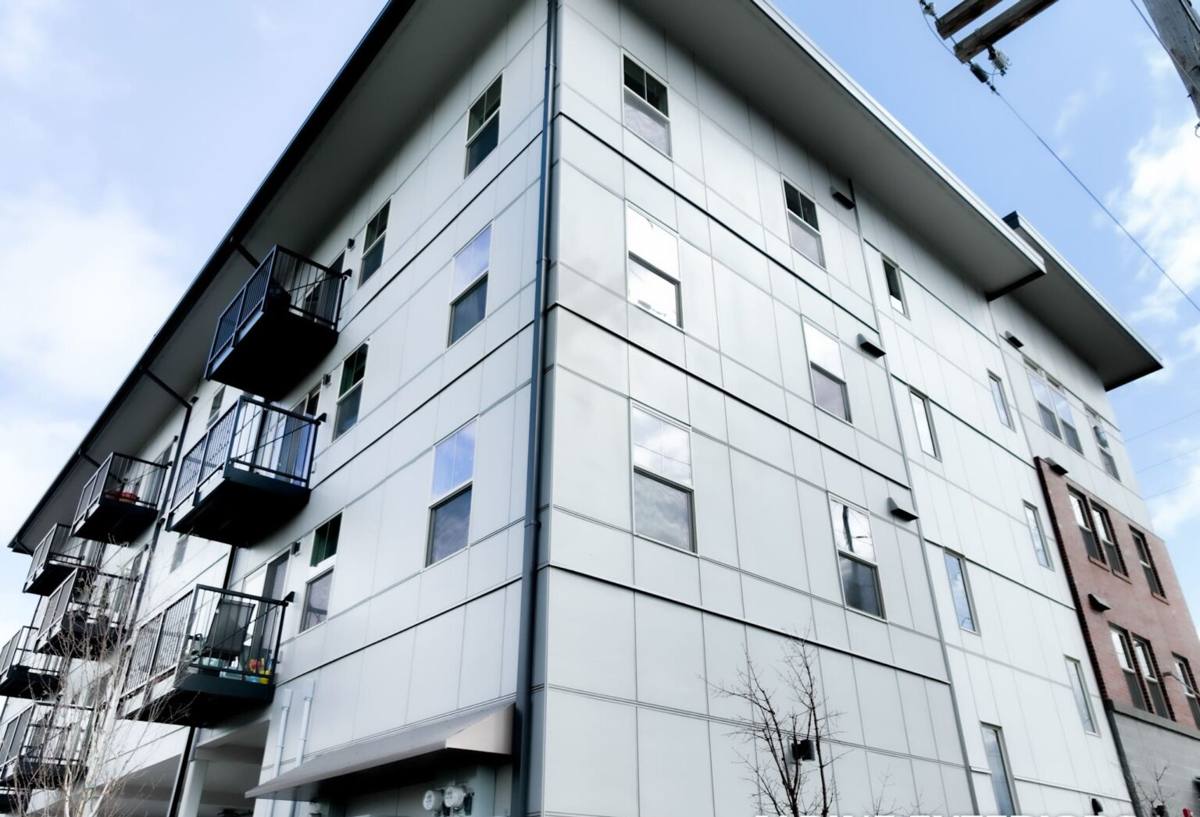
What Wiser Lake Homes Actually Need From Their Siding
Moisture Management First
The single biggest factor in how long a siding job lasts around Wiser Lake isn't the siding material itself — it's what's happening behind it. A weather-resistant barrier installed correctly, proper flashing at every window, door, and penetration, and a drainage plane that actually lets incidental moisture escape are what keep a home dry through decades of wet Whatcom County winters. Skip or shortcut any of that and even the best siding product on the market will fail early, usually from the inside out where you can't see it coming.
Standing Up to Driving Rain
Wind-driven rain doesn't just fall on a wall — it gets pushed sideways and upward into laps, seams, and trim joints. Siding installed with tight, correctly spaced laps and properly caulked (or intentionally uncaulked, where the system calls for it) transitions is what keeps that rain on the outside of the house instead of working its way behind the cladding.
Resisting Moss and Organic Growth
Shaded, damp walls near mature trees are where moss and algae take hold first. The siding material matters here — some products absorb moisture and give organic growth something to root into, while others shed water and stay too hard and dense for moss to gain a foothold. Gutter and downspout placement, along with keeping vegetation trimmed back from the wall, do the rest of the work.
Standing Up to Salt-Influenced Marine Air
Whatcom County sits close enough to the Salish Sea that marine air carries salt and moisture inland, and it settles into low, lake-adjacent terrain like the Wiser Lake basin. That air accelerates corrosion on fasteners and trim, and it keeps humidity elevated even between rain events. Siding, fasteners, and flashing all need to be chosen with that in mind, not just for a "coastal" property but for any home sitting low and shaded near water.
Why We Install Only James Hardie Fiber Cement
We made the decision years ago to install one siding system: James Hardie fiber cement. We don't install vinyl, LP SmartSide, Cemplank, Allura, or bare cedar or primed spruce, and around a lake environment like this one, that decision matters more than it would somewhere drier.
Fiber cement doesn't absorb water the way wood-based or wood-fiber composite products can, which matters directly for moss resistance and long-term rot risk. It's non-combustible, which is a real consideration for a home surrounded by trees. And James Hardie's ColorPlus factory finish is baked on and warrantied against fading and peeling — a meaningful advantage on a shaded lot where a finish stays damp longer and where you don't want to be repainting trim every few years because the sun and moisture cycle chewed through a field-applied coat.
Vinyl siding can warp and gap over time, giving driving rain a path behind the cladding, and it doesn't hold up as well against the kind of temperature swings and wind exposure a lake-adjacent property sees. Wood and wood-composite products need diligent maintenance to resist the moisture and organic growth this specific microclimate produces — maintenance that's easy to fall behind on. James Hardie's HZ5 product line is engineered specifically for the cold, wet Pacific Northwest climate zone Whatcom County sits in, which is exactly the profile Wiser Lake presents.
Comparing Siding Options for a Wiser Lake Property
| Factor | James Hardie Fiber Cement | Vinyl | Wood / Wood-Composite |
|---|---|---|---|
| Moisture absorption | Very low | Non-absorbent but seams can trap water behind panels | Higher, especially at cut edges and joints |
| Moss/algae resistance | Strong — dense, non-porous surface | Moderate, but grime and moss can build in panel overlaps | Weaker — organic material feeds growth |
| Fire resistance | Non-combustible | Combustible, can melt/warp near heat | Combustible |
| Finish longevity | Factory ColorPlus finish, warrantied | Color molded through, can fade/chalk | Field-applied paint/stain, needs recoating |
| Performance in driving rain | Excellent with correct lap and flashing detail | Good, but panel movement can open gaps over time | Good if maintained; poor if coating fails |
What a Correct Installation Involves
The siding itself is only part of the job. On a Wiser Lake property, we pay particular attention to:
- Assessing tree canopy and shade patterns on each elevation to plan drainage and ventilation accordingly
- Installing a continuous, properly lapped weather-resistant barrier with no gaps at seams
- Flashing every window, door, and penetration so water is directed out and away from the wall assembly, not trapped behind it
- Maintaining correct fastener spacing and using fasteners rated for the moisture and salt-influenced air common to this area
- Setting proper clearance between the bottom of the siding and grade, decks, or patios so splash-back moisture doesn't sit against the material
- Following James Hardie's published installation specifications exactly, including lap size, caulking practices, and panel gapping — the details that determine whether the warranty is actually valid
- Coordinating gutter and downspout discharge points so water isn't dumped against shaded, slow-drying wall sections
Any one of these steps done wrong can undercut everything else. A perfect flashing detail doesn't help if the siding sits too close to grade. A great gutter system doesn't matter if the weather barrier has a gap behind a window. We treat the whole assembly as one system because that's genuinely how it functions.
Our Process for Wiser Lake Jobs
We start with a walkaround of every elevation, noting shade exposure, existing moss or moisture staining, drainage patterns, and the condition of the sheathing underneath the current siding wherever we can get a look at it. That assessment shapes the estimate — a heavily shaded, tree-lined lot may need extra attention to ventilation or trim detailing that a sunnier lot wouldn't.
From there we handle tear-off, inspect the sheathing for hidden rot or moisture damage before anything new goes up (this is where a lot of long-neglected moisture problems get caught), install the weather barrier and flashing package, then install the James Hardie panels or lap siding to spec. We walk the finished job with the homeowner before we consider it done.
Why Local Experience on This Lake Matters
A crew that's worked houses around Wiser Lake before already knows what a shaded, low-lying property near water is going to throw at a siding job. They've seen where moss tends to establish first, how far marine-influenced humidity reaches inland here, and what drainage and grading issues tend to show up on lake-adjacent lots. That's the kind of judgment that only comes from doing the work in this specific area, not from a general contractor pricing the job off a satellite photo.
We're a Lynden-based crew working Whatcom County day in and day out, and Wiser Lake is part of our regular service area — not a special trip. That means the same standards, the same single-product commitment to James Hardie, and the same attention to the details that matter on every home we touch, whether it's in town or tucked back near the water.
Get a Straight Answer for Your Home
If your Wiser Lake home is showing moss buildup, staining, warping, or you're just planning ahead for a replacement, we're happy to take a look and give you a straightforward, no-pressure estimate. Fill out the form below and we'll get back to you with what we actually see on your property, not a generic quote.